Zimbabwe’s $650m Kariba Solar Project Faces Funding Delays
Zimbabwe’s planned 600 MW solar power project at Lake Kariba has secured a power purchase agreement and completed key technical and regulatory preparations, but financing and a construction start date remain outstanding as hydropower faces reduced water allocations in 2027.
Solar
Zimbabwe’s planned 600 MW solar power project at Lake Kariba has secured a power purchase agreement and completed key technical and regulatory preparations, but financing and a construction start date remain outstanding as hydropower faces reduced water allocations in 2027.
The Zambezi River Authority (ZRA) announced on 14 October that the combined water allocation for hydropower generation by Zimbabwe and Zambia would fall from 36 billion cubic metres to 23 billion cubic metres in 2027, a reduction of about 36%. The authority attributed the cut to unfavourable rainfall forecasts.
The reduction will affect operations at the Kariba hydropower complex, which supplies electricity to both countries. Lower water allocations limit how much electricity the two utilities can generate from the reservoir, increasing the need for alternative sources of power.
GreenGrid Energy secures power purchase agreement
Zimbabwe’s government reported further progress on the proposed $650 million solar project, which GreenGrid Energy is developing near Lake Kariba. The developer has signed a power purchase agreement with the Zimbabwe Electricity Transmission and Distribution Company (ZETDC), establishing a framework for selling electricity from the plant.
Technical and regulatory preparations were completed in July 2026. However, the project still needs to secure the financing required for construction, and the developer has not finalised a construction schedule.
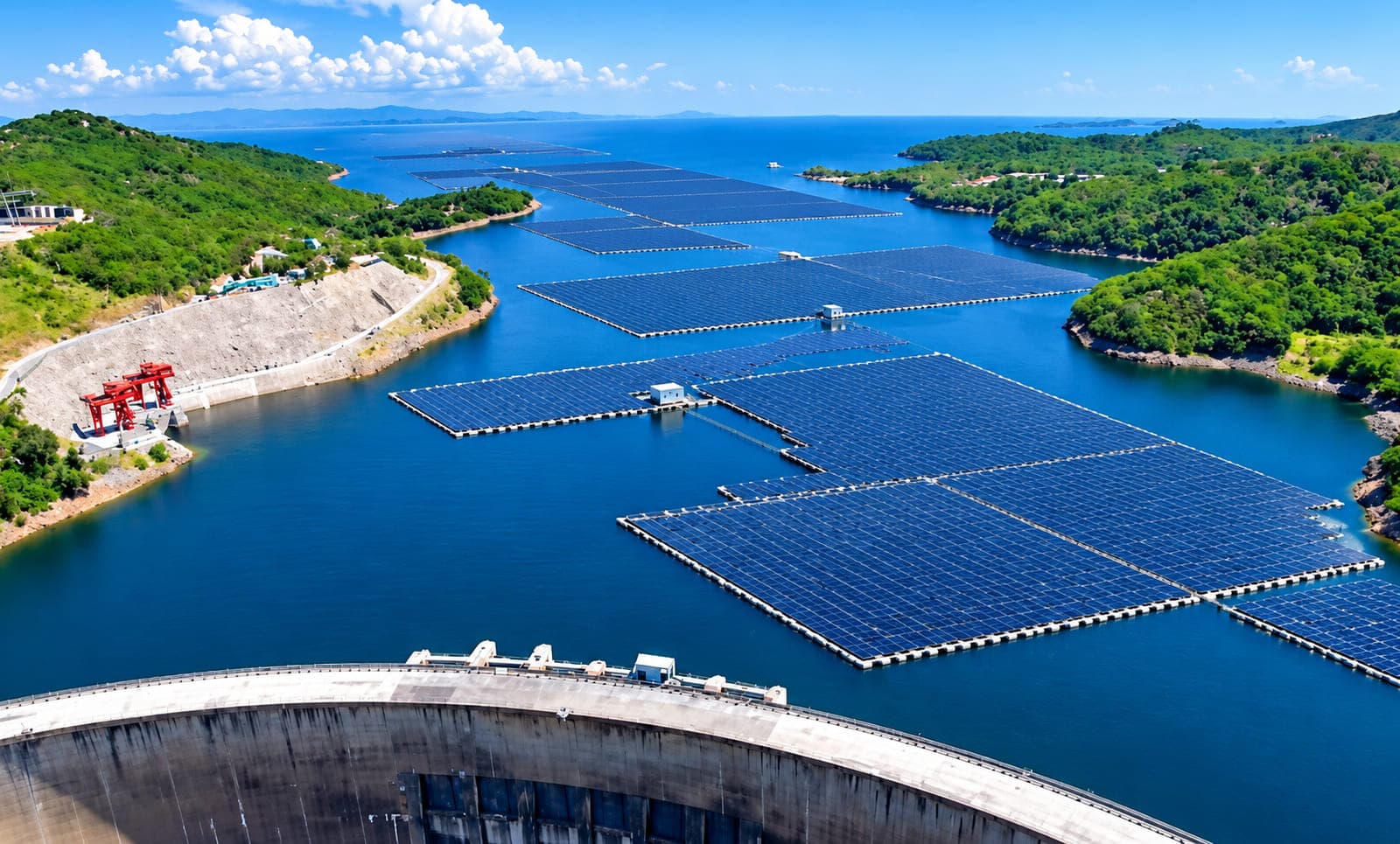
The project was initially presented as a floating solar installation on Lake Kariba. GreenGrid Energy now plans to prioritise land-based solar installations during the early stages of development.
Solar power to support hydropower generation
The proposed plant is intended to complement the 1,050 MW Kariba South hydropower station by supplying electricity during daylight hours. Solar generation could reduce the amount of water needed for power production during the day, helping preserve reservoir water for periods when solar output falls.
However, the timing presents a challenge. Zimbabwe and Zambia face lower water allocations in 2027, while the Kariba solar project has yet to reach financial close or establish a construction timetable. The new capacity is therefore unlikely to be available in time to offset the immediate impact of the planned reduction.
Zimbabwe seeks to diversify electricity supply
Zimbabwe and Zambia depend heavily on hydropower, leaving their electricity supplies exposed to changes in rainfall and reservoir levels. Expanding solar generation offers both countries an opportunity to diversify their energy mix and reduce pressure on water resources during dry periods.
For Zimbabwe, the Kariba project could add substantial generation capacity if the developer secures funding and moves into construction. Its contribution to electricity supply, however, will depend on how quickly those outstanding steps are completed.
With water allocations set to tighten in 2027, the project’s financing and construction decisions will be important to determining when the proposed solar capacity can begin supporting Zimbabwe’s electricity system.