Electric motorcycles are changing the economics of two-wheel transport in Africa
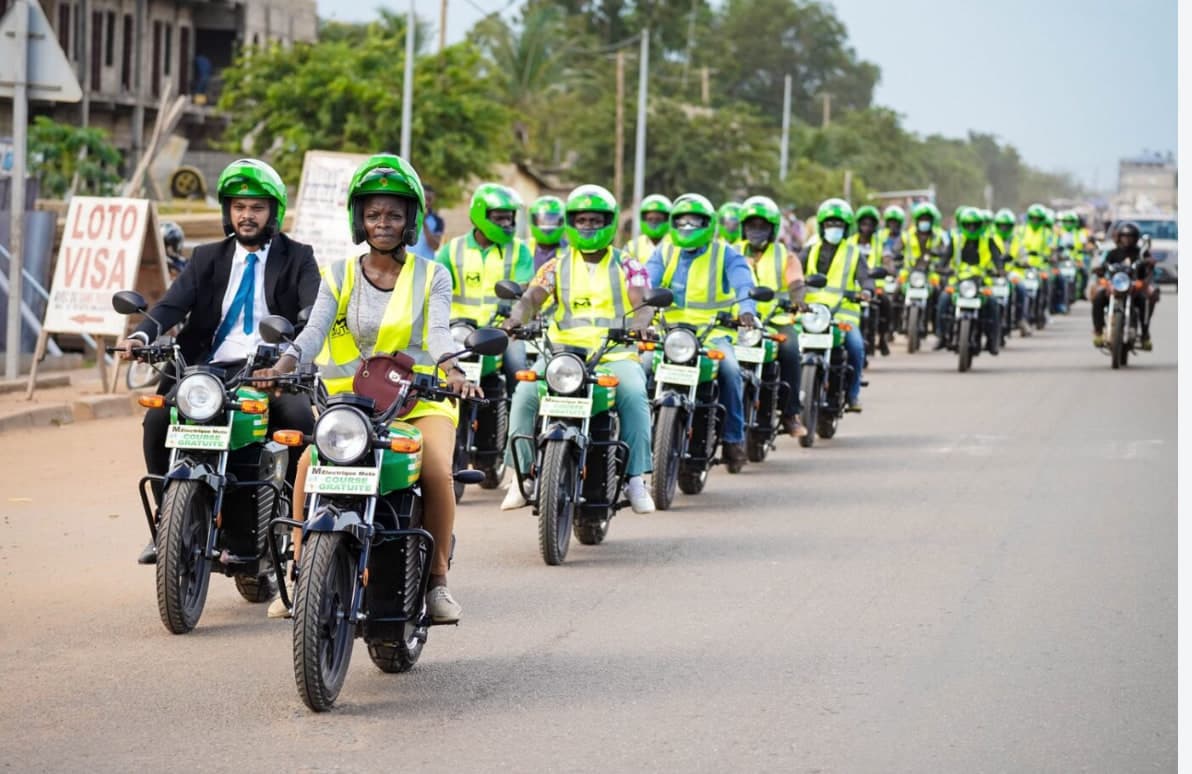
Electric motorcycles and three-wheelers are finding buyers across Africa, with imports from China rising this year.
Electric Pic
Electric motorcycles and three-wheelers are finding buyers across Africa, with imports from China rising sharply this year.
African countries imported $114.6 million worth of electric motorcycles and three-wheelers from China in the first half of 2026, up 60% from the same period last year. Morocco alone accounted for more than 80,000 units.
The figures are still small compared with the conventional motorcycle market, but they point to an area where electric vehicles can make practical sense.
AI-generated summary. It can miss nuance — read the full story above for the complete picture.
Electric motorcycles and three-wheelers are finding buyers across Africa, with imports from China rising this year. African countries imported $114.6 million worth of electric motorcycles and three-wheelers from China in the first half of 2026, up 60% from the same period last year. Morocco alone accounted for more than 80,000 units. For a delivery rider, motorcycle taxi operator or small business, fuel is a daily expense. If an electric bike can reduce that cost without reducing the amount of work the rider can do, there is a reason to consider switching.
A motorcycle is often a working vehicle
Across parts of East and West Africa, motorcycles are used for passenger transport, deliveries and moving goods. For these riders, the vehicle is not simply a way of getting around. It is how they earn money. An electric motorcycle can cost more to buy than a petrol bike, but the calculation changes when fuel, servicing and daily running costs are included. That makes operating costs an important part of the decision, especially when fuel prices are putting pressure on transport businesses.
“For many riders, an electric motorcycle is not about technology. It is about whether the numbers work.”
Battery swapping changes the equation
A delivery rider cannot always afford to wait several hours for a battery to charge. Battery swapping offers another option. A rider arrives at a station, exchanges a depleted battery for a charged one and continues working. Companies can provide the motorcycles, operate swapping stations, finance purchases and charge riders for battery use. For commercial riders, this can be more practical than relying entirely on fixed charging points.
Morocco and East Africa are developing differently
Morocco is seeing large numbers of electric two- and three-wheelers arrive from China. East Africa has a different opportunity because motorcycle taxis and delivery riders are already well established in countries such as Kenya, Uganda and Rwanda. The challenge is not convincing people to use motorcycles. It is convincing riders that an electric motorcycle can do the same job without making their finances worse.
The upfront price remains a problem
Lower running costs do not help much if the motorcycle is too expensive to buy. For many riders, the choice will come down to the total monthly cost, not the sticker price alone. For a rider using finance, the monthly payment may matter more than fuel savings several years from now. Some businesses are separating the cost of the battery from the motorcycle, allowing riders to pay for battery use or swapping rather than buying everything upfront. That is not guaranteed to work everywhere. Electricity supply varies between markets. A rider who saves on petrol but faces expensive battery replacement or limited access to swapping stations may not see the savings expected.
Operators have to consider downtime. A bike needing frequent charging, repairs or battery changes can reduce earnings, even when its energy costs are lower. Reliability matters as much as price.
China is supplying much of the market
Chinese manufacturers already produce large volumes of electric motorcycles, batteries and components. For African businesses, importing these products can be cheaper than building a complete local manufacturing base. But there is room for local companies to assemble motorcycles, operate swapping stations and provide repairs and financing. That could create businesses around the vehicles rather than leaving the market dependent on finished imports. It could also give African companies a larger role as demand grows.
The EV market may start on two wheels
Electric cars face a tougher sell in many African markets because of their higher prices and limited charging infrastructure. Motorcycles have a different starting point. They are cheaper, already widely used and often generate income for their owners. If an electric motorcycle can reduce running costs while keeping a rider working throughout the day, it does not need to replace the family car to become a successful EV. It just needs to make financial sense to the person riding it.