Ugandan startup Irrisol is using mobile money to run rural water systems
Getting a water system into a rural community is only part of the problem. Someone still has to pay for the water, maintain the pumps and fix the system when something breaks.
Irrisol Pic
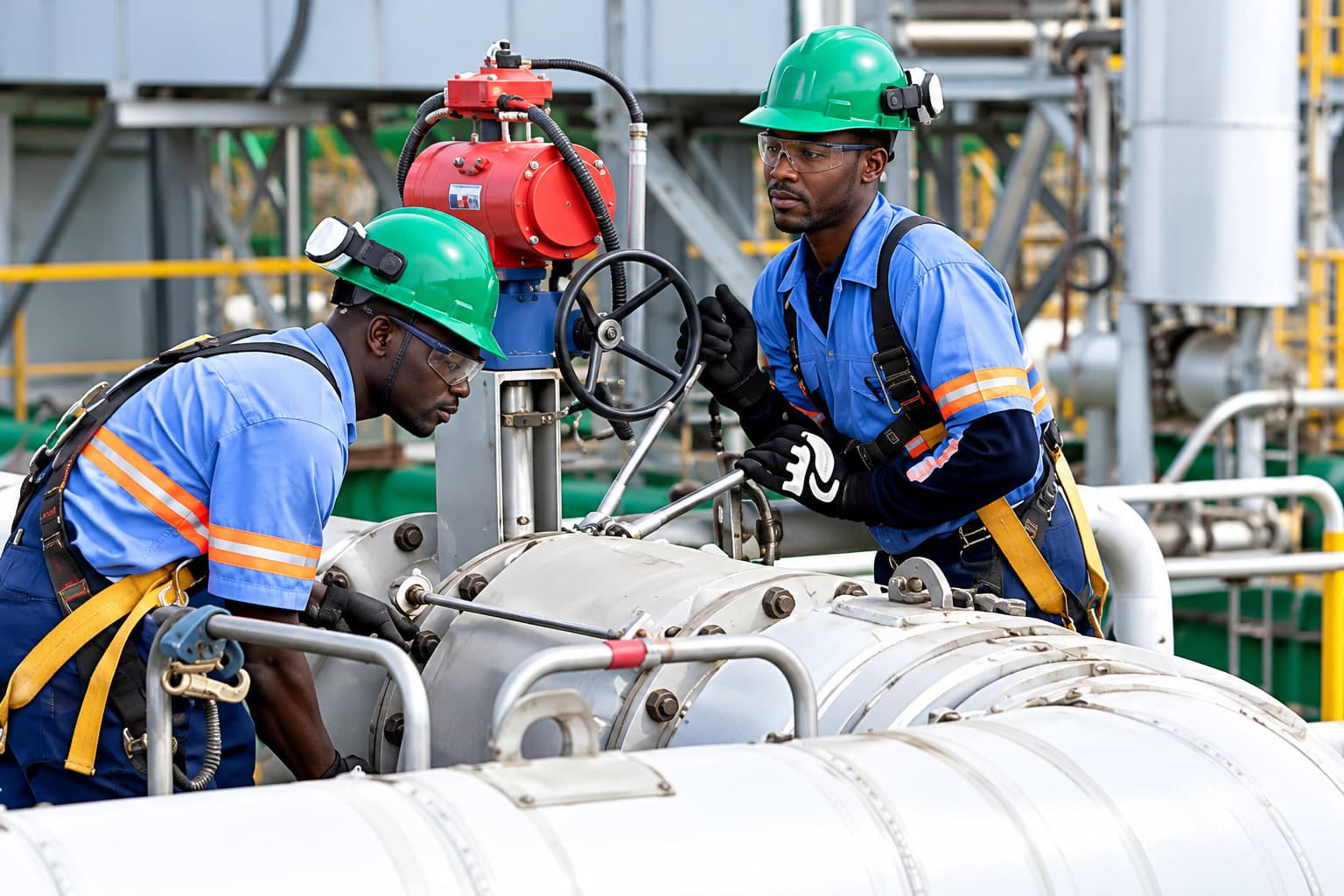
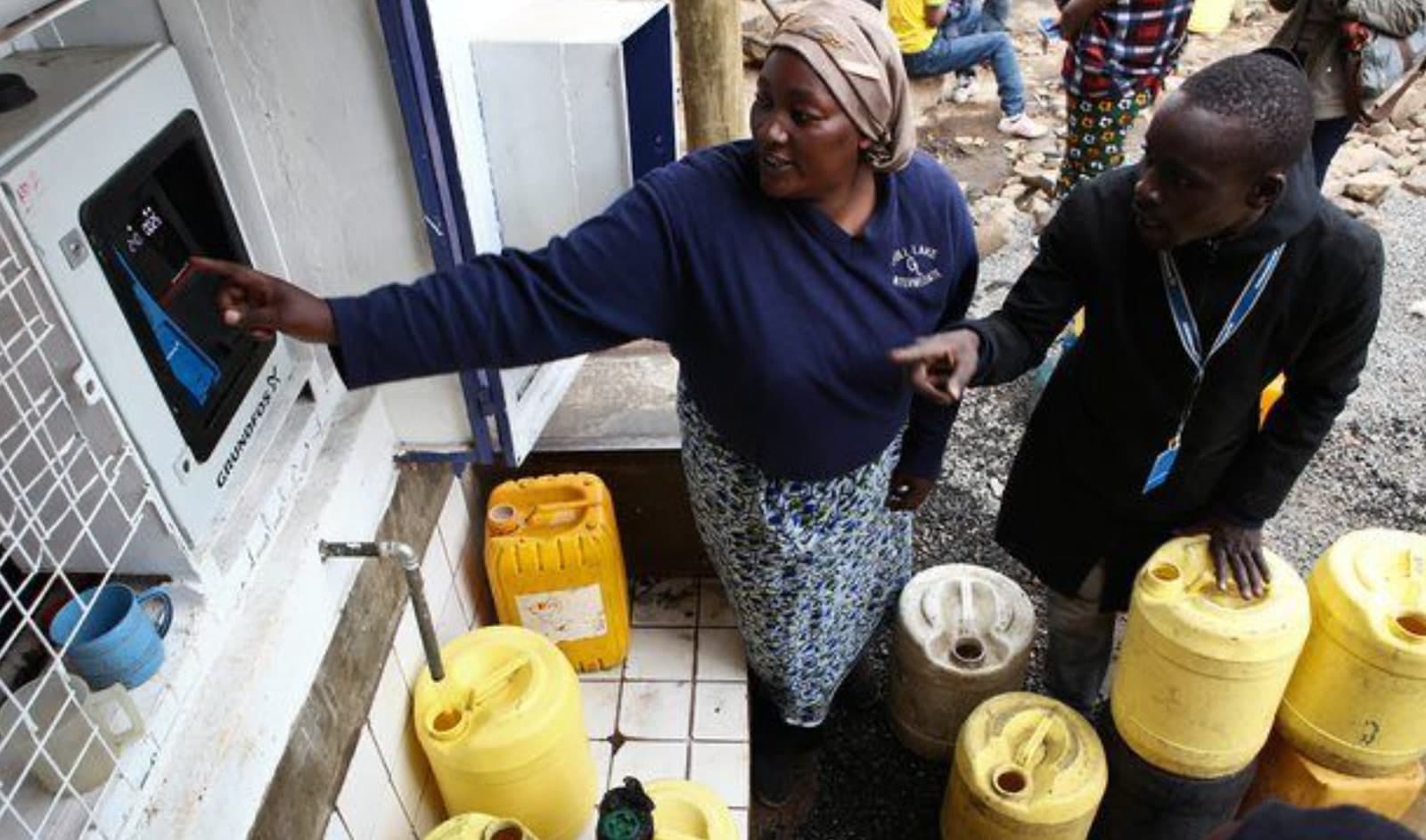
Getting a water system into a rural community is only part of the problem. Someone still has to pay for the water, maintain the pumps and fix the system when something breaks. That is where Ugandan company Irrisol Engineering has built its business. The company installs solar-powered water systems and charges customers for the water they use. Customers pay through mobile money, giving Irrisol a way to collect payments from households and other users without relying on cash.
AI-generated summary. It can miss nuance — read the full story above for the complete picture.
Getting a water system into a rural community is only part of the problem. Someone still has to pay for the water, maintain the pumps and fix the system when something breaks. That is where Ugandan company Irrisol Engineering has built its business. The company installs solar-powered water systems and charges customers for the water they use. Customers pay through mobile money, giving Irrisol a way to collect payments from households and other users without relying on cash. The company has now received an investment from DOB Equity to help expand its operations in Uganda. The size of the investment has not been disclosed.
The water still has to pay for itself
Irrisol does not simply install a pump and leave the community to manage it. It operates the systems and collects payments from people using them. That means the company has to keep the equipment working. A broken pump means less water for customers, but it also means less money coming into the business. Mobile money makes the payment side easier. Customers can pay from their phones, while Irrisol can collect many smaller payments across the communities where it operates. That is important when the customers are spread out and the amounts being paid are relatively small.
“Mobile money can make collecting payments easier. But it is still the customers’ payments that have to keep the pumps running.”
SMEs are part of the customer base
The systems are used by households, schools, hospitals and businesses. For a small business, reliable water is not a nice to have. A restaurant needs water for cooking and cleaning. A small food business needs it to operate. A shop may need it for staff and customers. Farms and other rural businesses may need water for production. When a water system stops working, the business has to find another source. That can mean buying water, paying someone to deliver it or spending time looking for another option. So the question for a business owner is quite simple: is the water available when I need it, and can I afford to keep paying for it? Irrisol's model is built around both.
It already has hundreds of systems in the field
Irrisol says it has built 14 community water mini-grids and more than 600 standalone water systems, reaching around 350,000 people. The company was founded in 2017 and has mainly worked in Western Uganda. Its standalone systems serve different types of customers, including households, businesses, schools and health facilities. The new funding from DOB Equity will help it expand its community water mini-grids into other parts of Uganda. That means more equipment to install and more customers to collect payments from.
The mobile-money part matters
Mobile money is already widely used in Uganda, so customers do not need a separate payment system just to pay for water. For Irrisol, it also reduces the need to collect cash from each water point. This becomes more important as the company expands. If one system has a small number of customers, collecting payments may be manageable. If the company has hundreds of systems spread across different communities, doing that in cash becomes much harder. The phone becomes the payment point.
Water can also become an input for businesses
Irrisol is looking at irrigation and fish farming as additional uses for its water systems. That could bring more farmers and small businesses into the network. For a farmer, water can determine whether a crop can be planted outside the rainy season. For a fish farmer, it is part of the production process. This also changes how the infrastructure is used. Instead of serving households alone, a water system can have several types of customers paying for the service.
The next stage is expansion
Irrisol says it wants to reach 3 million people by 2030. Getting from roughly 350,000 people today to that number will require a lot more systems and a lot more customers. The company will also have to keep those systems running after they are installed. That is where its business model will be tested. The equipment has to last. Customers have to keep using the water. Payments have to come in regularly enough to cover repairs, maintenance and the other costs of running the network. Mobile money can make collecting those payments easier. But it is still the customers' payments that have to keep the pumps running. For Irrisol, that is the business: build the water system, get people and businesses using it, and make sure the money coming back in is enough to keep it working.