BuuPass targets cross border travel payments as African businesses expand
For a small business sending an employee to another African country, the travel booking is often the easy part. The employee still needs money for transport, transfers and other expenses once they arrive.
BuuPass Pic
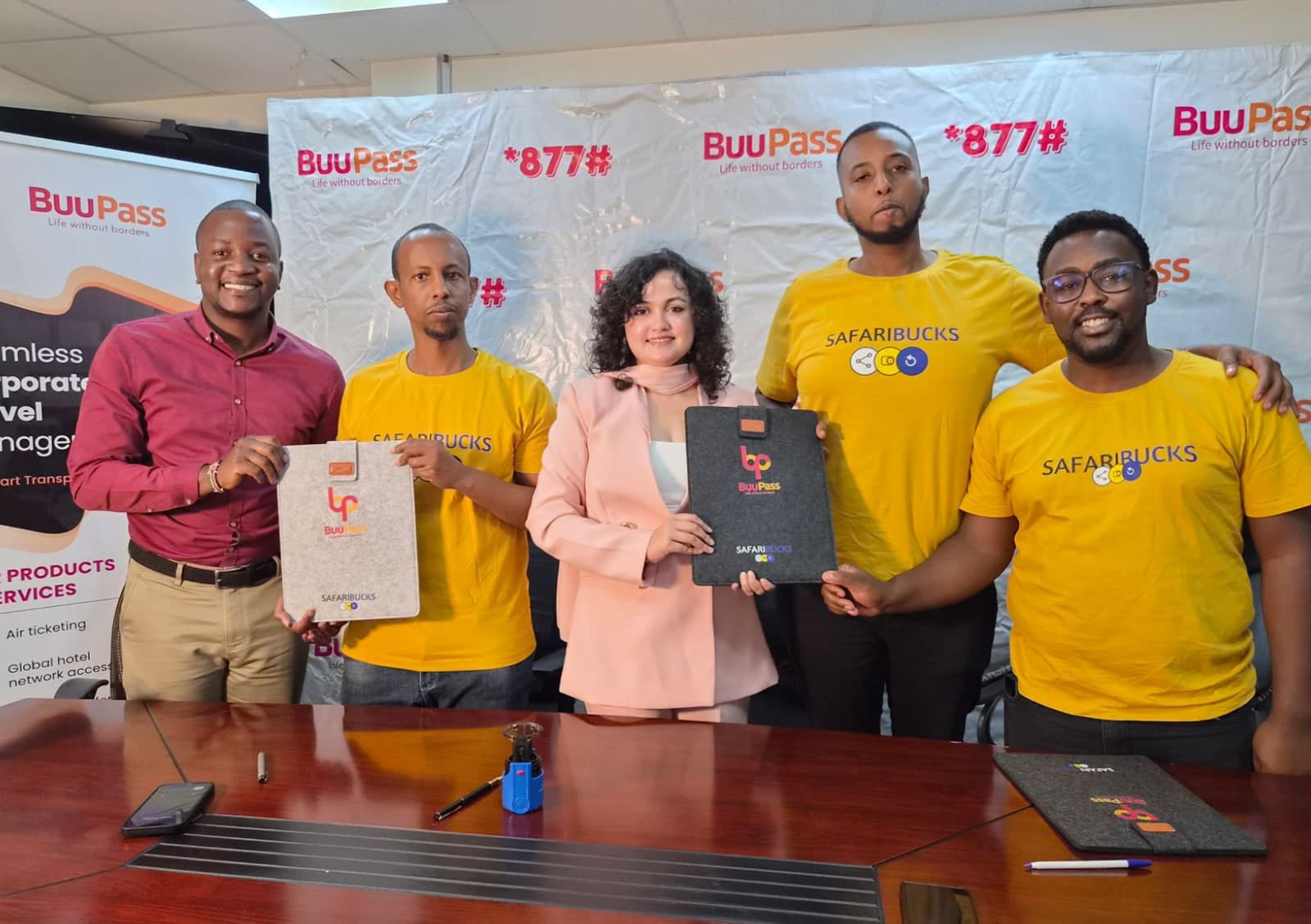
For a small business sending an employee to another African country, the travel booking is often the easy part. The employee still needs money for transport, transfers and other expenses once they arrive. The business then has to keep track of those payments, often across different currencies and payment systems. Kenyan travel booking company BuuPass is trying to address part of that problem through a new partnership with digital wallet company SafariBucks.
AI-generated summary. It can miss nuance — read the full story above for the complete picture.
For a small business sending an employee to another African country, the travel booking is often the easy part. The employee still needs money for transport, transfers and other expenses once they arrive. The business then has to keep track of those payments, often across different currencies and payment systems. Kenyan travel booking company BuuPass is trying to address part of that problem through a new partnership with digital wallet company SafariBucks.
The two Nairobi-based companies will allow travellers to use SafariBucks to pay for BuuPass bookings, including buses, flights and transfers. The payments will be processed through local payment systems. The arrangement also covers business travel, which could make it relevant to smaller companies sending staff across East Africa.
Why SMEs could pay attention
“For a small business sending an employee to another African country, the travel booking is often the easy part.”
Large companies can afford dedicated travel departments, corporate cards and finance systems. A small business usually has fewer options. An owner may book a flight for an employee, send money for a taxi or bus, and then have to collect receipts and work out what was spent in another currency. That becomes more complicated when a business has staff travelling regularly between Kenya, Uganda and Tanzania.
BuuPass is connecting SafariBucks to Gavanpass, its corporate travel platform. The platform allows companies to book flights, hotels, buses, transfers and group travel, while also giving them tools to approve trips and monitor spending. SafariBucks' Spend Management product will provide the payment side. For SMEs, the potential benefit is fairly practical. A business could have a more central way of paying for employee travel instead of relying on staff to carry cash or use personal payment methods and claim the money back later.
It could also make it easier for businesses to see what they are spending on travel. That matters for a small company where a few unnecessary trips or poorly tracked expenses can have a noticeable effect on the monthly budget.
Cross border trade is creating more travel
The move also comes at a time when more African businesses are operating outside their home markets. An SME selling products in another country may need employees to visit customers, meet suppliers, attend trade events or oversee deliveries. Those businesses do not necessarily have large finance teams managing these trips. The payment problem becomes particularly noticeable when employees cross borders and move between currencies.
SafariBucks is providing the wallet, while BuuPass is providing the travel bookings. The companies are effectively putting the two parts together rather than asking a business to arrange them separately. Ali Hassan, co-founder and CEO of SafariBucks, said travellers in East Africa often deal with cash, SIM cards and currency exchange when crossing borders. The partnership is intended to give them another option.
BuuPass is becoming more than a bus-ticketing company
BuuPass started in 2016 as a travel-ticketing platform. It has since expanded into flights, trains, transfers and corporate travel. The company now operates in Kenya, Uganda, Tanzania and South Africa and says it works with more than 150 transport operators. It also has payment integrations with services including M-PESA, MTN MoMo, FNB and Vodapay. Its expansion has included acquisitions. In 2024, BuuPass acquired QuickBus, a bus-ticketing business with operations in Nigeria and South Africa.
BuuPass said it sold more than 30 million tickets and processed over $100 million in travel transactions during 2025. The company also raised an undisclosed investment from Yango Ventures last year to expand its infrastructure and operations across African markets. The SafariBucks deal adds another layer to that business. Instead of only making the booking, BuuPass is becoming involved in what happens when the customer pays for the trip.
What it could mean for smaller operators
There is another side to the partnership that is easy to overlook. BuuPass works with transport operators across several markets. Many of these operators are not multinational companies. They include businesses providing buses and other transport services to local and regional travellers. If more bookings move through digital payment channels, smaller transport operators could get access to customers who might otherwise struggle to pay for their services from another country.
For an SME running a transport operation, getting paid on time and reducing the amount of cash handled by drivers and staff can also make day to day administration easier. The actual impact will depend on how widely SafariBucks is adopted and which payment rails are available in each market. It is not a solution to every cross-border payment problem. But for businesses already using BuuPass, having travel bookings and payments connected could remove some of the admin involved in sending people across borders.
AFCON 2027 could put it to the test
The partnership also arrives before the 2027 Africa Cup of Nations, which will be hosted by Kenya, Tanzania and Uganda. The tournament is expected to bring visitors into the region and will involve travel between cities in the three host countries. BuuPass already operates in all three markets, giving it an existing transport network to work with. SafariBucks can then handle payments for some of those journeys. The previous AFCON tournament in Côte d’Ivoire attracted more than one million spectators, according to figures cited by CAF.
The 2027 tournament will therefore give companies operating in travel, accommodation, transport, food and other services a chance to serve visitors moving between the three countries. For SMEs, that could mean more demand from travelling supporters but also more need to accept payments from customers who do not normally use their local payment methods. That is where services such as SafariBucks could become useful. For BuuPass, the longer-term opportunity is not just selling more tickets during AFCON. It is getting businesses and travellers to use its platform for regular regional travel. If more African SMEs start sending employees across borders, managing those trips and paying for them becomes another service BuuPass can sell alongside the ticket.