Zambia's shift towards solar power for industrial customers.
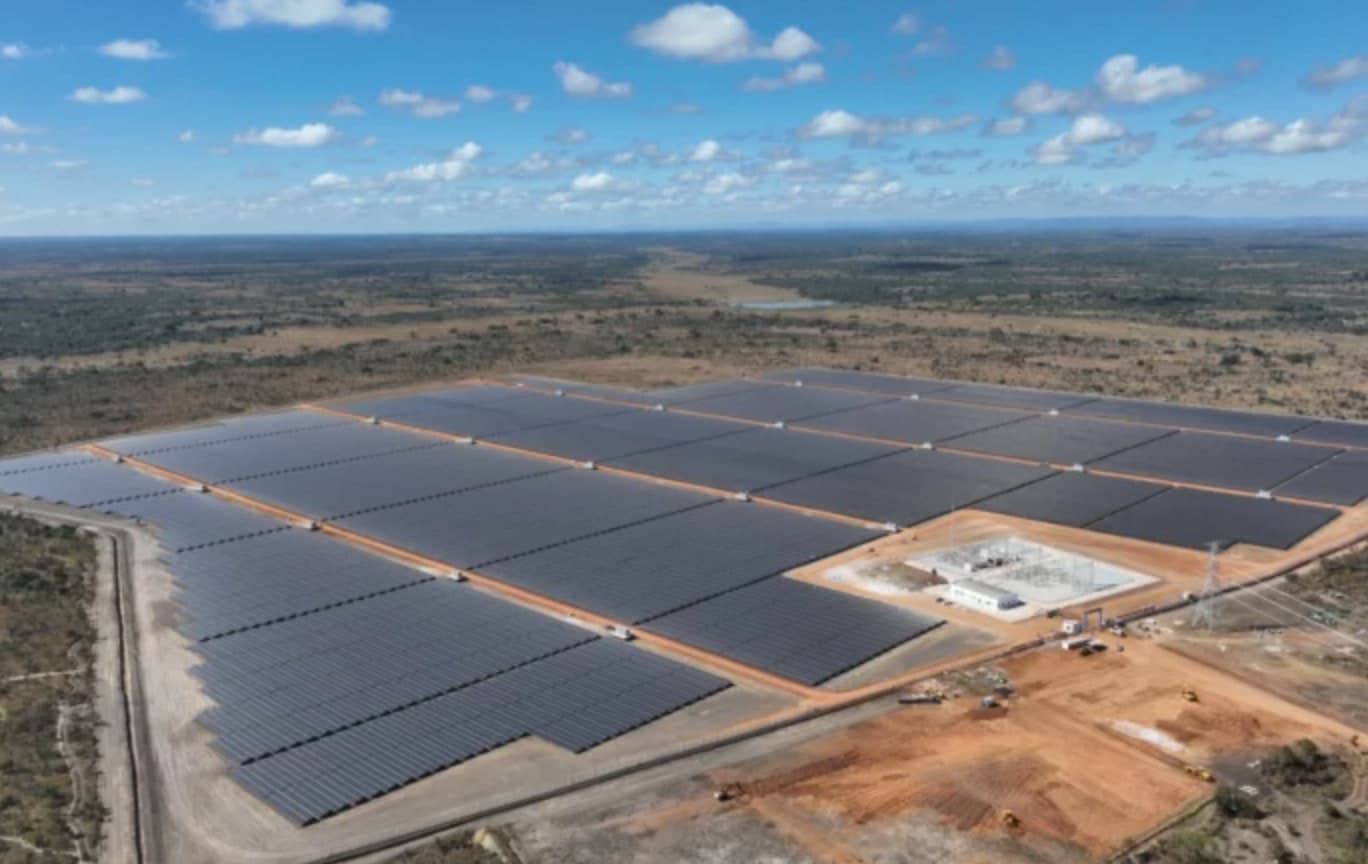
Zambia has two more solar projects in development, with a combined capacity of 567MW. One of them is a 500MW project in the Copperbelt being developed by Hungary-based EnerSynk Group.
Solar Pipeline
Zambia has two more solar projects in development, with a combined capacity of 567MW.
One of them is a 500MW project in the Copperbelt being developed by Hungary-based EnerSynk Group. The company has signed a 25-year power purchase agreement with ZESCO, Zambia's state-owned electricity utility. (zda.org.zm)
The agreement allows EnerSynk to move ahead with technical work and financing for the project. It does not mean the plant is ready to supply electricity yet.
The second project is much smaller.
AI-generated summary. It can miss nuance — read the full story above for the complete picture.
Zambia has two more solar projects in development, with a combined capacity of 567MW. One of them is a 500MW project in the Copperbelt being developed by Hungary-based EnerSynk Group. The company has signed a 25-year power purchase agreement with ZESCO, Zambia's state-owned electricity utility. The agreement allows EnerSynk to move ahead with technical work and financing for the project. It does not mean the plant is ready to supply electricity yet. The second project is much smaller.
Solarcentury Africa and Zambia's Industrial Development Corporation are working on a 67MWp solar plant near Chisamba in Central Province. It is planned to connect to ZESCO's transmission network and supply industrial customers through the IDC.
Zambia's power system is still heavily reliant on hydro
“The projects still have to make it from agreements and development plans to completed power plants.”
Zambia gets most of its electricity from hydropower, which has left the country exposed to low water levels. The situation became particularly difficult during the 2024 drought, when reduced water levels affected generation and contributed to widespread power shortages. That experience has pushed solar higher up the country's electricity plans. The latest projects are not the only ones in development.
Zambia's Energy Regulation Board is monitoring eight power projects with a combined capacity of 1,315MW. The list includes solar, coal, thermal and bagasse-fired projects. Among them is a planned 300MW expansion by Maamba Energy, a 100MW solar project by Maamba Solar and a 100MW bagasse power plant being developed by Zambia Sugar.
Industrial users are part of the equation
The 67MWp Chisamba project is specifically linked to industrial electricity demand. That matters in a country where mining and other large industries consume significant amounts of power. Instead of selling the electricity directly to individual households, the project is expected to supply industrial users through the IDC once it is connected and operational. The 500MW Copperbelt project is also planned for an area with a large mining and industrial presence.
More generation also means more grid work
Zambia is not only adding generation projects. The country's transmission network has to accommodate the additional electricity, particularly as new solar projects are developed in different parts of the country. The ERB has been inspecting projects and the infrastructure associated with connecting them to the electricity system. For the new solar projects, the next stages will include financing, construction and grid connections. So while 567MW has been added to Zambia's project pipeline, it is not 567MW of new electricity available today. The projects still have to make it from agreements and development plans to completed power plants.