
Virus-stricken African currencies are set for even more pain
Kenya, Angola, Zambia’s currencies have all hit record lows
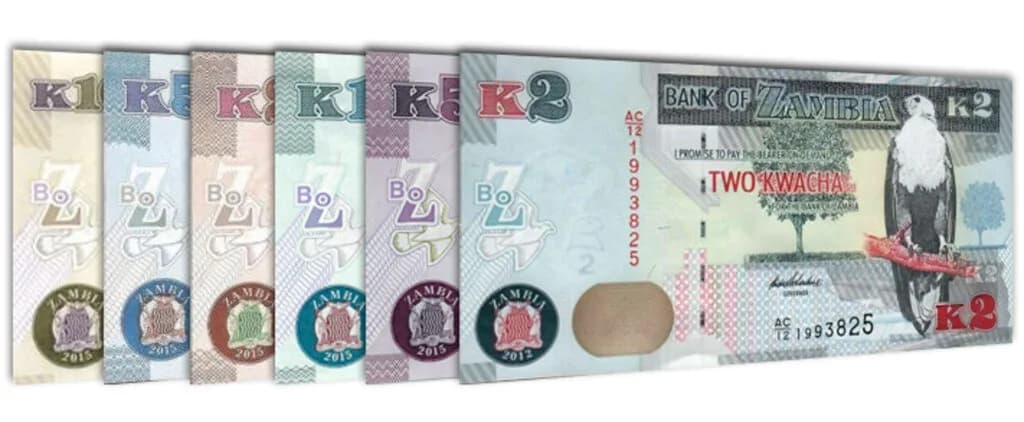
Virus-stricken African currencies are set for even more pain
Few emerging-market currencies have been spared as the spread of the coronavirus causes investors to dump riskier assets and the dollar to surge.
According to Bloomberg, Africa has been hit harder than most — and the signs are there’s worse to come.
Four of the seven worst-performing currencies globally are from the continent in the past four days, a period when the MSCI benchmark for emerging market currencies was climbing.
Kenya’s shilling, Angola’s kwanza and Zambia’s kwacha have all fallen to record lows this month. Ghana’s cedi and South Africa’s rand are close to that point. And while Nigeria’s already devalued the naira, most investors say it’ll have to do so again. Egypt’s pound, meanwhile, is up against the dollar this year but increasingly overvalued, according to investors.
Many countries, including Ghana, Egypt, Kenya and South Africa, have cut interest rates to support their economies, which will be hit by lockdowns, factory closures and a slump in tourism as well as lower demand for their exports. The monetary easing and the fiscal stimulus some governments have promised alongside it could add to the pain for their currencies.
“We will see more losses,” Courage Martey, an economist at Databank Group Ltd. in Accra, Ghana’s capital, said. “Most of these currencies depend on commodity exports. Measures to safeguard growth such as interest-rate cuts and reduction in commercial banks’ reserves will initially reduce demand for local assets.”
The Zambian kwacha is the worst-performing currency in Africa this year, with a 20% loss against the dollar. The country’s been hurt by falling copper prices and drought. Its foreign reserves fell to $1.3bn in January, around the lowest level on record. The government’s Eurobond yields have also soared to a point that suggests many investors are pricing in a default.
A debt restructuring is almost inevitable if the government doesn’t negotiate a bailout loan from the IMF, said Irmgard Erasmus of NKC African Economics.