Capitec agrees to sell rental finance business to Sasfin for R201 million
Capitec has agreed to sell its rental finance business to Sasfin Capital for R201 million, as the bank shifts its attention to other parts of its business.
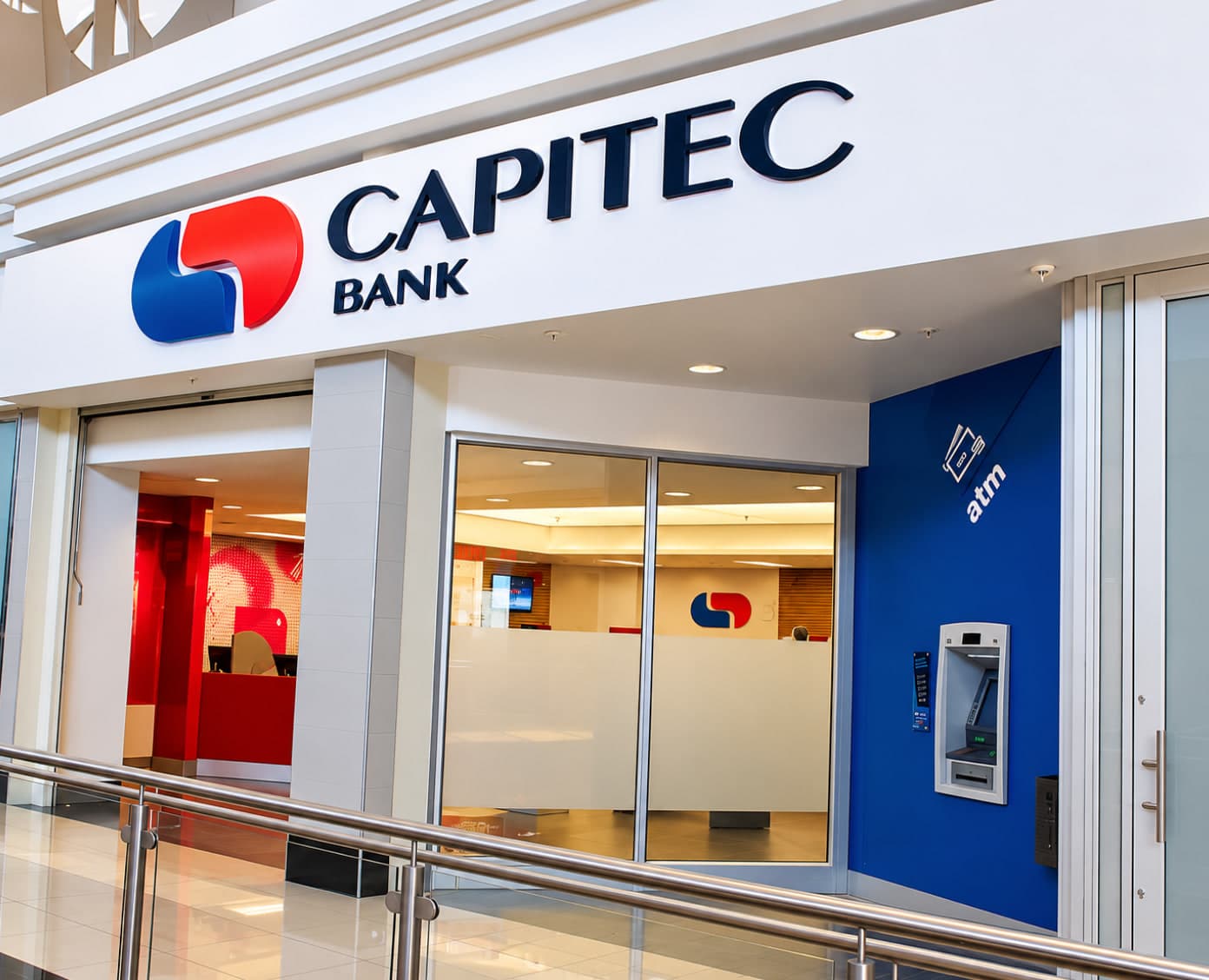
Capitec
Capitec has agreed to sell its rental finance business to Sasfin Capital for R201 million, as the bank shifts its attention to other parts of its business.
AI-generated summary. It can miss nuance — read the full story above for the complete picture.
Capitec has agreed to sell its rental finance business to Sasfin Capital for R201 million, as the bank shifts its attention to other parts of its business. The transaction has received approval from the Competition Commission, but it still needs to meet the remaining requirements before the sale can be completed. The business, Capitec Rental Finance (CRF), helps companies pay for equipment over time rather than buying it outright. It purchases movable assets and leases them to businesses, allowing customers to use the equipment while spreading the cost over an agreed period.
This type of financing can be useful for companies that need vehicles, machinery and other equipment to operate but want to preserve cash for wages, stock and other expenses. Capitec acquired CRF in 2019 as part of its purchase of Mercantile Bank. The rental finance business has remained profitable, but the bank says the effort needed to grow it no longer justifies the returns. Capitec CEO Graham Lee has described the operation as an awkward fit within the group. The decision to sell is therefore not about closing a loss-making business. It is about whether the unit still belongs in Capitec's plans.
Sasfin wants to combine the business with Sunlyn
“Capitec is selling a profitable business because it no longer fits its plans, while Sasfin sees an opportunity to expand its existing equipment finance operation.”
Sasfin Capital, a subsidiary of Sasfin Holdings, has agreed to buy all the shares in CRF. It plans to combine the business with Sunlyn, its existing rental and equipment finance operation. The deal will give Sasfin a larger portfolio of rental agreements and strengthen its position in equipment finance. The business serves companies that need access to equipment but prefer to spread payments over time. For Sasfin, buying an established operation means adding to a business it already understands, rather than entering the market from scratch. It will also take over CRF's existing customer relationships and rental agreements, subject to the terms of the transaction. The purchase price is R201 million, subject to customary adjustments at closing. The amount is separate from the financing arrangement Capitec has agreed to provide after the sale.
Capitec will still provide funding
Although Capitec is selling the business, its involvement will not end immediately. Under the agreement, Capitec will provide CRF with a secured credit facility of R1.6 billion to fund its existing rental receivables book. These receivables are the payments that customers still owe under their rental agreements. The facility is important because rental finance businesses need money to support the assets they finance and the agreements they manage. It allows CRF's existing book to continue receiving funding after the change in ownership.
The R1.6 billion facility is not an additional payment to Capitec. It is a separate funding arrangement, while the agreed purchase price for the business is R201 million. The arrangement also means Capitec will remain a lender to the business after Sasfin takes ownership. The two companies will therefore continue to have a financial relationship under the terms of the facility.
Why Capitec is selling a profitable business
Capitec bought Mercantile Bank in 2019 as part of its expansion into business banking. CRF came with that acquisition and became part of the group's wider offering to companies. However, running a rental finance business involves different demands from providing everyday banking services or lending directly to customers. It requires the business to manage equipment leases, assess customers' ability to pay and maintain funding for assets over the life of rental agreements.
Capitec's position is that CRF takes more work to expand than the returns warrant. The bank has decided that its resources are better directed towards other areas. For Sasfin, the calculation is different. It already operates in equipment and rental finance through Sunlyn, so CRF can be added to an existing operation. The acquisition gives Sasfin an opportunity to expand its activities without having to build a similar business from the beginning. The deal illustrates how two financial institutions can view the same business differently. One may decide that it no longer fits its plans, while another sees room to grow it.
The deal still needs to be finalised
The Competition Commission approved the proposed acquisition subject to conditions, including a temporary restriction on merger related retrenchments. However, that approval does not mean the transaction has been completed. The parties must still satisfy the remaining regulatory approvals and closing requirements before Sasfin can take ownership. Until then, CRF remains part of Capitec's business. The R201 million purchase price is the agreed amount, subject to adjustments when the transaction closes.
The sale will remove rental finance from Capitec's portfolio if completed, while giving Sasfin a larger equipment finance operation. Capitec will also continue providing funding to CRF under the agreed credit facility. For businesses that use rental finance, the key issue will be how the operation is managed after the ownership change and whether the existing customer agreements continue under their current terms. The transaction is not a rescue of a failing business. Capitec is selling an operation it says remains profitable because it no longer sees it as a priority, while Sasfin plans to bring it into a business it already runs.