US approves up to $414m for Niger uranium project
The financing is still conditional, but it gives Global Atomic a clearer path to developing its Dasa project in Niger. The United States has approved a debt facility of up to $414.2 million for Global Atomic's Dasa uranium project in Niger.
US-Nigeria Pic
The financing is still conditional, but it gives Global Atomic a clearer path to developing its Dasa project in Niger.
The United States has approved a debt facility of up to $414.2 million for Global Atomic's Dasa uranium project in Niger.
The approval came from the US International Development Finance Corporation (DFC) and was announced by Global Atomic on 16 September. It does not mean the company has received the money yet.
Several conditions still have to be dealt with, including finding a workable route to export the uranium from the landlocked country, extending the project's mining agreement and permit, and reaching agreements with the Nigerien government.
For Global Atomic, however, the DFC decision is a significant step towards financing the mine.
AI-generated summary. It can miss nuance — read the full story above for the complete picture.
The financing is still conditional, but it gives Global Atomic a clearer path to developing its Dasa project in Niger. The United States has approved a debt facility of up to $414.2 million for Global Atomic's Dasa uranium project in Niger. The approval came from the US International Development Finance Corporation (DFC) and was announced by Global Atomic on 16 September. It does not mean the company has received the money yet.
Several conditions still have to be dealt with, including finding a workable route to export the uranium from the landlocked country, extending the project's mining agreement and permit, and reaching agreements with the Nigerien government. For Global Atomic, however, the DFC decision is a significant step towards financing the mine.
The project
“The harder work is turning that commitment into a producing mine in a country where getting the uranium out may prove just as important as getting it out of the ground.”
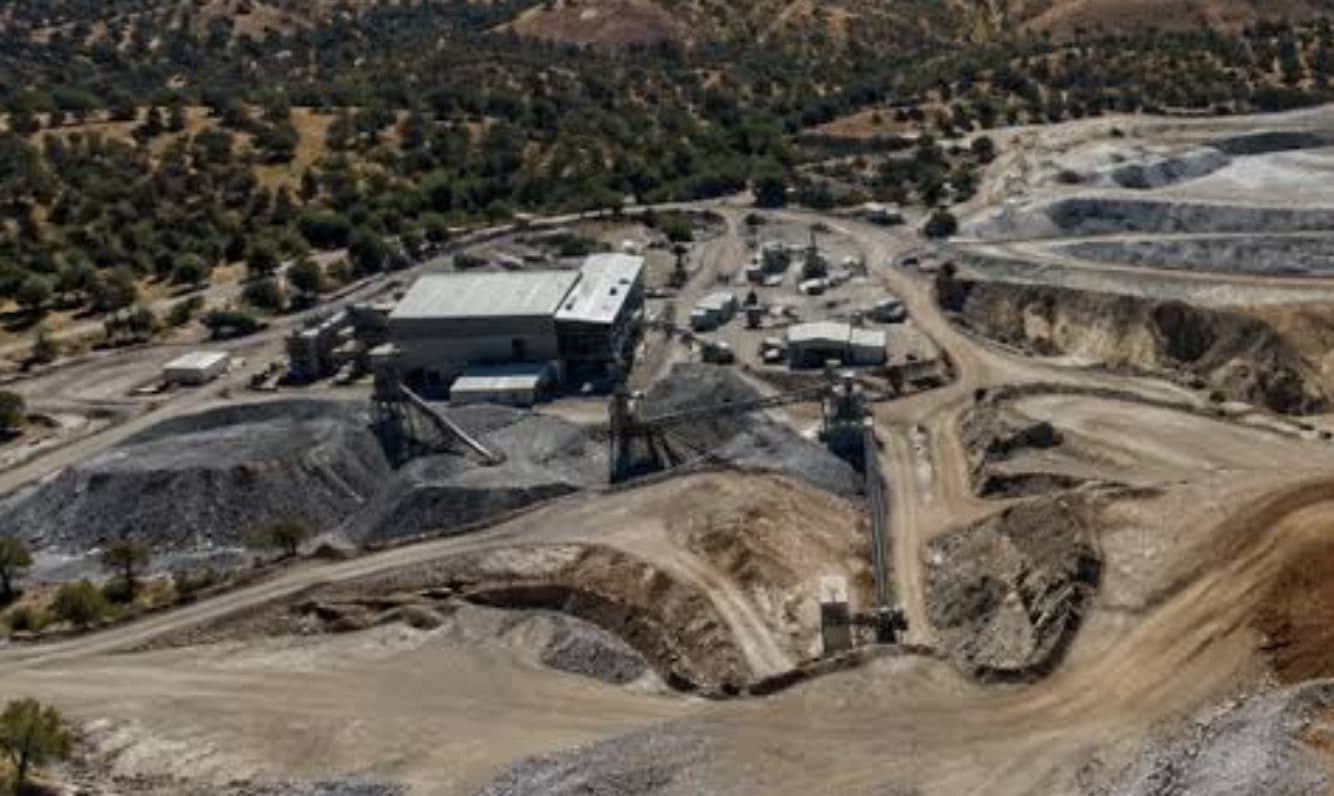
Dasa is being developed by Canadian-listed Global Atomic in Niger's Agadez region. The company describes it as one of Africa's highest-grade uranium deposits. The project is expected to produce uranium concentrate, known as yellowcake, for sale to international customers. Global Atomic has already signed agreements covering 8.8 million pounds of uranium for the first seven years of planned production. Most of that contracted volume is for US utilities. That gives the company potential buyers for part of its future production, although the mine still has to be built and brought into production.
The difficult part is getting it out
Dasa's location presents a practical problem. Niger is landlocked and the security situation across the Sahel has made some traditional transport routes more difficult to use. Global Atomic has been looking at alternatives, including a possible route north through Niger and Algeria before reaching export markets. Reuters reported that this is one of the issues that still needs to be resolved before the DFC financing can move forward. For a mining company, this is more than a transport issue. The cost and reliability of getting equipment to the mine and uranium to customers can affect whether a project works commercially.
Why the US is involved
The financing also comes at an unusual time for US-Niger relations. Niger's military government took power in a 2023 coup and later ordered US forces to leave. About 1,000 American troops were withdrawn in 2024. Since then, Niger has reduced its military relationship with Western countries and moved closer to Russia. The DFC financing puts the US back into a commercial relationship with Niger through a uranium project, even though the wider political relationship remains complicated. Reuters reported that US officials had been working to rebuild ties with Niger around the project.
Uranium is also now included on the US critical minerals list, adding another reason for Washington to pay attention to projects that could supply the American nuclear industry.
Niger's uranium sector is already under pressure
The Dasa project is entering a uranium sector that has become increasingly complicated for Niger. French nuclear company Orano has historically been one of the country's major uranium operators. Its relationship with Niger's government has since deteriorated, with the two sides involved in a dispute over uranium assets. That has left space for other companies and investors to become more involved in the country's uranium industry. The Dasa project is also not fully owned by Global Atomic. The Nigerien state holds a 20% interest, while Global Atomic holds the remaining 80%.
The next test
The headline number is $414.2 million, but the next stage will be about whether the conditions attached to the financing can actually be met. Global Atomic still needs a viable export route, satisfactory extensions to its mining agreements and permits, government assurances around repayments and a direct agreement with Niger. The company has said it is targeting commercial production in the second half of 2028, although that timetable depends on the remaining financing and development requirements being completed.
For now, Dasa has something it did not have before: a major US-backed financing commitment. The harder work is turning that commitment into a producing mine in a country where getting the uranium out may prove just as important as getting it out of the ground.