Uganda's Kingfisher Refinery Reaches 99% Completion
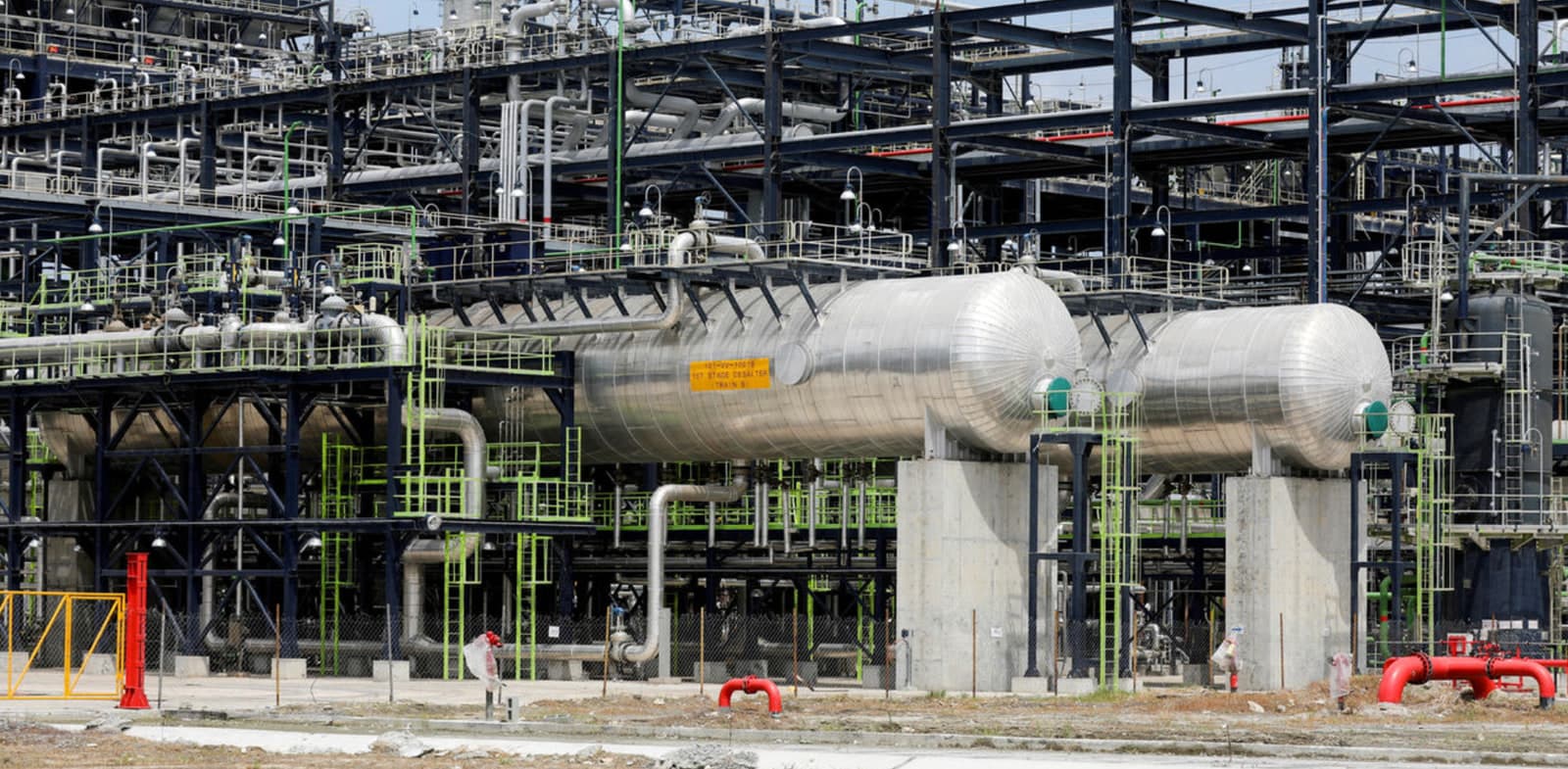
Construction of Uganda's Kingfisher crude oil refinery has reached more than 99% completion, according to the Ministry of Energy and Mineral Development, bringing the country closer to domestic crude processing as it prepares for first oil.
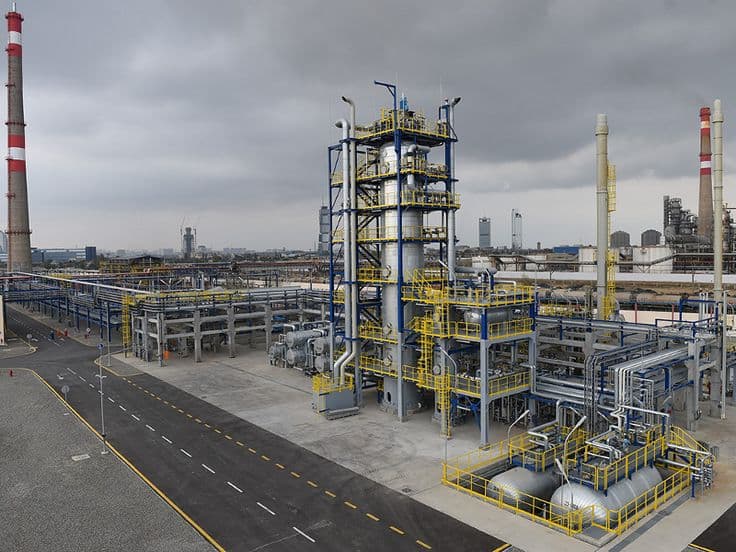
Heydar Aliyev Oil Refinery, Baku Offshore Technology
Construction of Uganda's Kingfisher crude oil refinery has reached more than 99% completion, according to the Ministry of Energy and Mineral Development, bringing the country closer to domestic crude processing as it prepares for first oil.
The refinery, located at Kabaale in Buseruka Sub-County, Hoima District, will have a processing capacity of 60,000 barrels of crude oil per day when it becomes operational next year.
The project is being led by Alpha MBM Investments, a United Arab Emirates-based investment firm headed by Sheikh Mohammed bin Maktoum bin Juma Al Maktoum, a member of Dubai's royal family.
The refinery is part of Uganda's broader strategy to develop an integrated petroleum industry around its emerging crude oil production.
Uganda Sees Cost Savings From Local Refining
President Yoweri Museveni has highlighted the potential savings from processing some of Uganda's crude locally instead of transporting it to Tanzania for export and subsequent import of refined petroleum products.
Museveni made the remarks after visiting the refinery, where he also unveiled “Pearl Sweer” as the official name for Uganda's crude oil ahead of anticipated first production.
“When we pump our crude to Tanga, we pay $12.77 per barrel just for transport. When we refine our oil here, we don’t pay that money,” Museveni said.
He also said domestic refining could help Uganda reduce its petroleum import bill, which he put at about $2 billion.
The refinery's inland location is therefore central to the government's economic case for the project. Processing crude close to the country's production areas could remove the cost of moving crude to the Tanzanian coast before refining.
Kingfisher Oil Field Nears First Oil
Progress at the refinery comes as Uganda advances development of its upstream oil projects.
The Ministry of Energy and Mineral Development said facilities at the CNOOC-operated Kingfisher oil field had reached 99.4% completion.
A total of 22 wells had been drilled at the field, representing 116% of the drilling requirement for first oil.
The Kingfisher project is one of two major developments expected to drive Uganda's commercial oil production.
At the TotalEnergies-operated Tilenga oil field, more than 210 wells had been drilled by July, also exceeding the minimum drilling requirement for first oil.
Together, the Kingfisher and Tilenga projects are expected to produce about 230,000 barrels of crude oil per day at peak production.
Refinery Adds Domestic Processing Capacity
The planned 60,000-barrel-per-day refinery would provide Uganda with domestic refining capacity as crude production increases.
Museveni said the facility could have a strong economic position because it would avoid some of the transportation costs associated with moving crude to the coast.
“Our refinery will be one of the most profitable because, first of all, it’s far from the ocean and it does not have the transportation cost,” he said.
Uganda currently imports refined petroleum products to meet domestic demand. The refinery is intended to change part of that supply structure by processing locally produced crude into petroleum products.
The project will therefore be closely linked to the development of the country's upstream oil industry. As Kingfisher and Tilenga move toward production, the availability of refining capacity will determine how much of Uganda's crude can be processed domestically.
With construction now above 99% completion, the refinery has moved into the final stages of development as Uganda prepares to enter commercial oil production.