Africa50 puts $71m behind smaller renewable energy projects
Africa50 has secured $71 million for its Distributed Renewable Energy Fund, giving the infrastructure investor more capital to back smaller renewable power projects across Africa.
Africa50 Pic
Africa50 has secured $71 million for its Distributed Renewable Energy Fund, giving the infrastructure investor more capital to back smaller renewable power projects across Africa. The fund will invest in distributed energy projects such as solar systems and mini-grids,
AI-generated summary. It can miss nuance — read the full story above for the complete picture.
Africa50 has secured $71 million for its Distributed Renewable Energy Fund, giving the infrastructure investor more capital to back smaller renewable power projects across Africa. The fund will invest in distributed energy projects such as solar systems and mini-grids, which can supply electricity to specific communities and businesses without waiting for new national grid infrastructure. Africa50 has also appointed Cheick-Oumar Sylla as CEO of its Project Development Fund. The timing is relevant for African businesses dealing with unreliable electricity. For an SME, a power cut can quickly become a business expense. A shop with refrigerators, a salon with electrical equipment or a small factory running machinery still has to operate when the grid goes down. The fallback is often a generator.
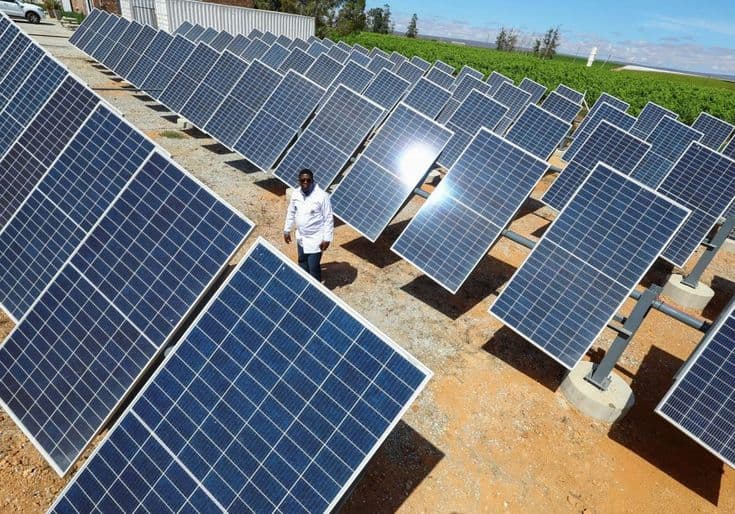
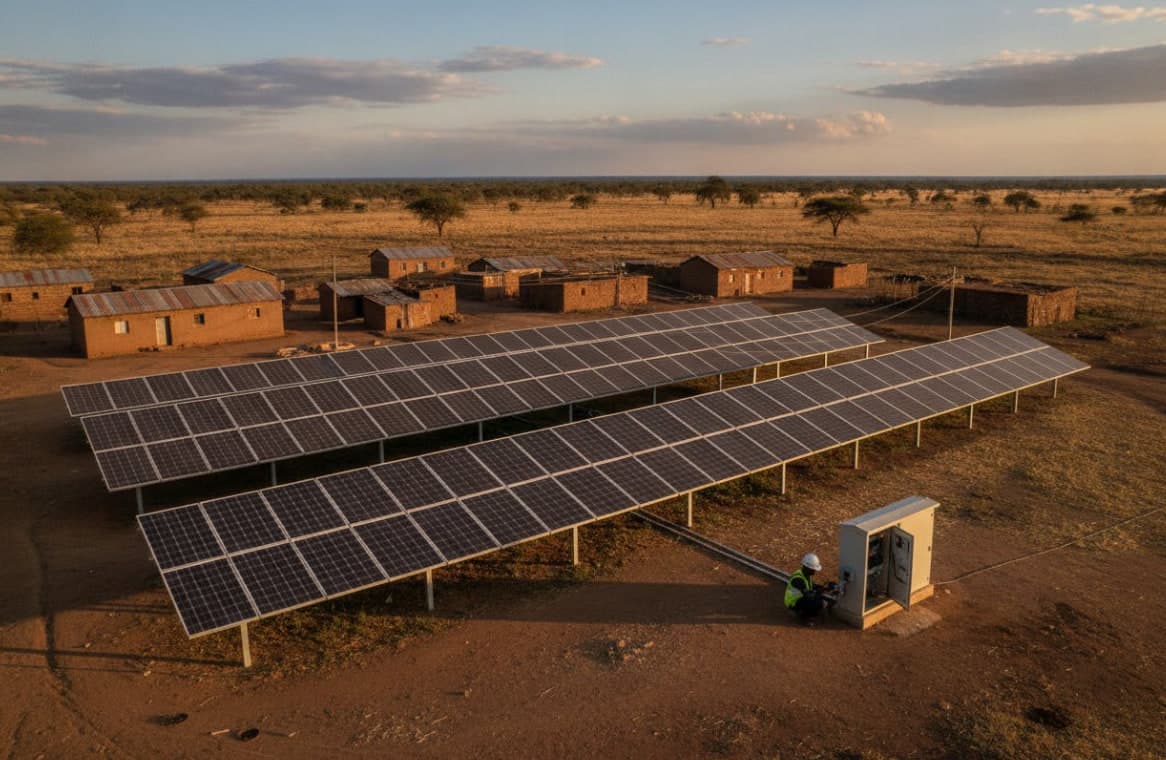
Fuel, servicing and repairs add to the cost of running the business. For a company with limited cash, those costs can affect everything from how much stock it buys to whether it can afford new equipment. Distributed renewable energy offers another source of power. A mini-grid can supply a cluster of businesses and households in an area that is poorly served by the national grid. Solar systems can also be installed at commercial sites, reducing the amount of electricity a business needs to draw from the grid or generate itself. The idea is not new in Africa. What has been difficult is getting enough money into projects that can be built and operated at scale. The new $71 million commitment is aimed at that funding gap.
SMEs need the numbers to work
For SMEs, unreliable electricity is a business cost.
For small businesses, renewable energy only makes sense if it is affordable. A solar system or mini-grid can reduce the need for diesel, but businesses still have to pay for the electricity, equipment and connection. If those costs are too high, an SME may stick with the generator it already has. That is why the projects backed by the fund will matter more than the headline funding figure. A small manufacturer, for example, could benefit if a local mini-grid provides reliable electricity at a lower overall cost than running a generator during power cuts. The same applies to businesses that rely on refrigeration, machinery or other equipment throughout the day. If energy costs become more predictable, businesses can also plan their monthly expenses more easily.
Not every business will be connected
Distributed power is not a replacement for national grids. Large power plants and transmission networks will still be needed as African economies add factories, commercial buildings and new housing. But extending a national grid is not always practical in areas where customers are spread out or where infrastructure costs are high. That is where smaller systems can make sense. A mini grid can serve a defined area without requiring the same scale of investment as a national transmission project. Solar can be installed closer to the customer and expanded as demand grows. The challenge is finding projects that can generate enough revenue to cover their costs while keeping electricity affordable.
The next test is deployment
Africa50's $71 million gives the fund more room to invest, but the number itself does not tell us how many businesses will benefit. That will depend on which projects receive funding, where they are built and how much electricity they can deliver. For SMEs, the outcome will be measured in simpler terms: fewer hours without power, less money spent on fuel and a more predictable electricity bill. If the fund can help make that happen in areas where businesses currently depend on generators or have limited grid access, the impact will be felt at the level where the electricity problem becomes most expensive — the day to day running of a small business.