Uber turns to robotaxis as high fuel costs make it harder to find drivers
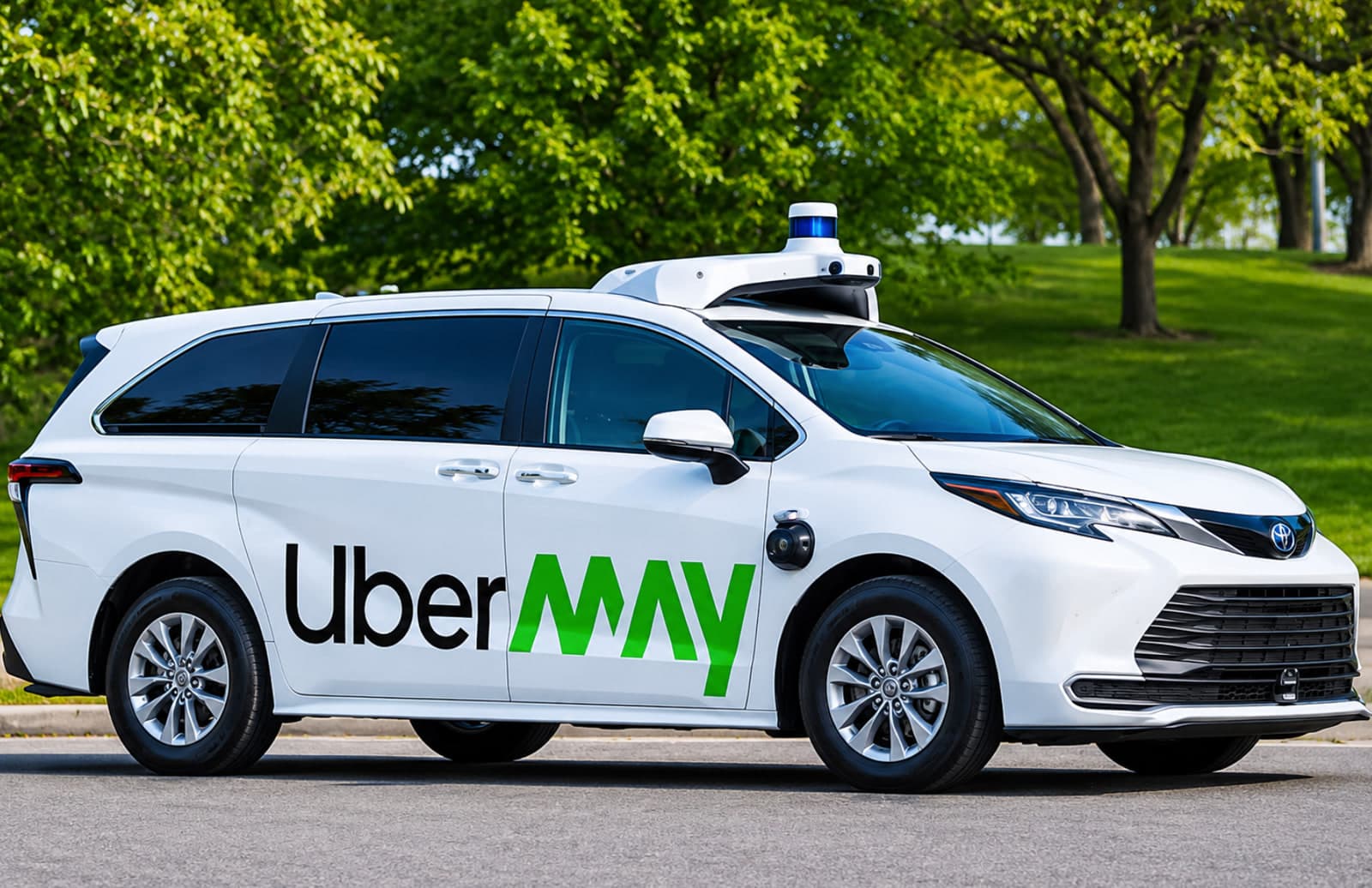
Uber wants more than 2,000 driverless vehicles on its platform by the end of 2027 as it deals with driver shortages in several markets.
Uber
Uber wants more than 2,000 driverless vehicles on its platform by the end of 2027 as it deals with driver shortages in several markets.
Uber is spending more to attract drivers, but it is also preparing to rely more heavily on vehicles that do not need one.
AI-generated summary. It can miss nuance — read the full story above for the complete picture.
Uber wants more than 2,000 driverless vehicles on its platform by the end of 2027 as it deals with driver shortages in several markets. Uber is spending more to attract drivers, but it is also preparing to rely more heavily on vehicles that do not need one. The company expects to have about 700 fully driverless vehicles operating through its platform by the end of 2026. By the end of 2027, it wants that number to exceed 2,000.
The timing is important. High petrol prices are making ride-hailing less profitable for drivers in markets such as India and Brazil. In Canada, changes in immigration flows have also affected the supply of drivers. For drivers who use their own vehicles, the cost of working has to be weighed against what they earn from each trip. Fuel, servicing, tyres and vehicle finance all take a share of their income. When those expenses rise, some drivers cut back their hours or leave the platform.
Uber has been using incentives to keep drivers active, but it cannot ignore the cost of doing so. Robotaxis offer another way to put more vehicles on the road without having to recruit a driver for each one.
“Uber is spending more to attract drivers, but it is also preparing to rely more heavily on vehicles that do not need one.”
More trips, but pressure on driver supply
Uber's third quarter 2026 figures show that customers are still using the platform more frequently. It recorded 4.06 billion trips during the quarter, a 16% increase on the previous year. Monthly active platform consumers grew by 14% to 215 million. Mobility gross bookings increased by 18% to $29.51 billion, although revenue from the division fell by 2% to $7.52 billion.
The figures point to a business with growing demand but operational pressure in some markets. Uber needs enough drivers available to collect passengers, particularly during busy periods. When driver numbers fall short, the effects are felt by both sides. Passengers may wait longer or pay more, while drivers who remain active may face more demand. Uber then has to decide how much it is prepared to spend on incentives to keep the service running.
Uber is relying on partners for driverless vehicles
Uber is not developing all its autonomous driving technology itself. It is working with companies that build and operate self-driving vehicles, including Waymo, Zoox, Nuro and Motional. Through these partnerships, Uber can make robotaxi services available to customers through its existing app. The vehicle operators provide the cars and autonomous driving systems, while Uber provides access to passengers and trip bookings.
This arrangement gives autonomous vehicle companies a way to find customers without having to build their own large ride-hailing networks. For Uber, it offers a route into driverless transport without taking on the entire cost of developing the technology.
There are still significant operating expenses. Robotaxis need insurance, maintenance, cleaning and charging. Their software and onboard systems also require ongoing support. The cost of keeping a driverless vehicle on the road will determine whether the service can compete with ordinary ride-hailing.
Drivers remain part of Uber's business
The expansion is likely to attract attention from drivers who depend on Uber for their income. If robotaxis become cheaper to operate, they could eventually take over some trips currently handled by human drivers. But that is not an immediate change across the company's markets. Driverless vehicles still face restrictions on where they can operate, and their performance depends on road conditions, traffic and local regulations.
Uber also continues to need human drivers to serve areas where autonomous vehicles are unavailable or unsuitable. Its investment in robotaxis should therefore be seen alongside its efforts to recruit and retain drivers. For now, both groups are part of the company's transport network.
The cost question remains
Uber reported total revenue of $14.77 billion in the third quarter, up 10% year on year. Gross bookings increased by 20% to $59.8 billion.
The company has a large customer base and more trips are being booked, but it needs to make sure it has enough vehicles available to handle that demand. More than 2,000 robotaxis by the end of 2027 would give Uber a much larger driverless fleet. Whether that investment pays off will depend on how much each vehicle costs to operate, how often it can complete trips and what customers are willing to pay. For drivers, the concern is how quickly autonomous vehicles move into markets where people currently earn money through ride-hailing. For Uber, the immediate task is keeping its service running while it builds a business that depends less on human drivers.