
TECH FIRMS HOPE SWEATY WORKOUTS CAN SELL WOMEN ON VR HEADSETS
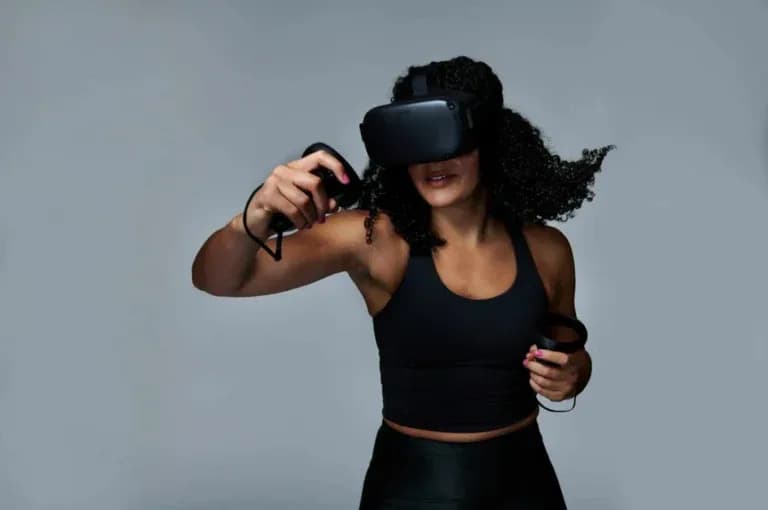
The article discusses the changing demographics of virtual reality (VR) users and how fitness apps are playing a significant role in attracting a more diverse audience. Initially, VR was popular among young male gamers, but recently, there has been a shift as more women over the age of 35 are becoming the average customers of
TECH-FIRMS-HOPE-SWEATY-WORKOUTS-CAN-SELL-WOMEN-ON-VR-HEADSETS
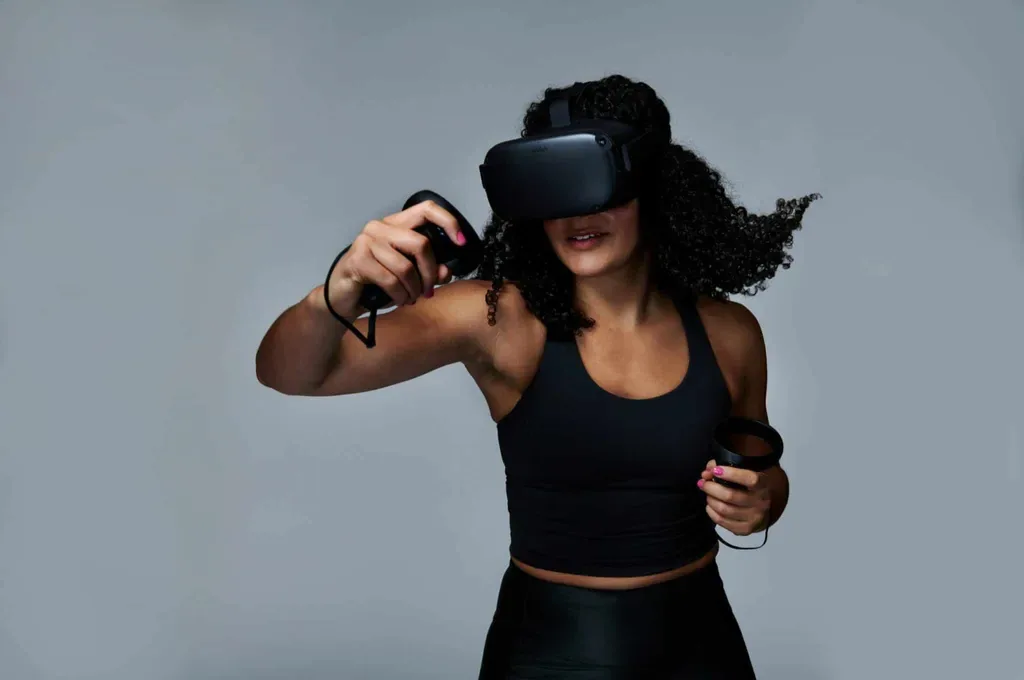
The article discusses the changing demographics of virtual reality (VR) users and how fitness apps are playing a significant role in attracting a more diverse audience. Initially, VR was popular among young male gamers, but recently, there has been a shift as more women over the age of 35 are becoming the average customers of VR fitness apps.
The change in customer base is attributed to the athletic theme of these apps. Women who live with men who own VR headsets started using fitness apps and shared their positive experiences with friends, leading to a wider adoption among women. Unlike the typical gamers, these new users view the VR headset as a fitness equipment rather than just a gaming console.
Big tech companies are eager to replicate this shift in customer demographics and expand the appeal of VR beyond the gaming niche. To achieve this, they are promoting new use cases for VR, such as work, fitness, and entertainment. They are also partnering with non-gaming corporations and acquiring non-gaming app makers to diversify the content available and attract a broader audience. For example, Apple’s announcement of its mixed-reality headset focused on immersive conversations, capturing dynamic moments, and enhancing entertainment, rather than gaming.
Fitness apps powered by VR are seen as a gateway to attract individuals who may feel intimidated or unable to attend traditional workout classes in person. These apps offer intensive exercise routines designed by experts, set in visually stunning environments. Users can engage in activities like kickboxing, rowing, or cycling in virtual scenes that are far more engaging and motivating than traditional flat-screen workouts.
The immersive quality of VR is considered a significant advantage for motivating people to exercise. Rather than just watching a screen, users feel like they are part of the virtual world and actively interact with it. This heightened level of engagement is believed to be more effective in encouraging physical activity.
Traditionally, VR has primarily appealed to young male gamers, with women comprising a small percentage of users. However, non-gaming VR apps, particularly fitness apps, have introduced more women to the VR experience, and they are becoming enthusiastic users. Many women, like Kaleah Wilson, find VR workouts more enjoyable and convenient than traditional gym sessions, leading to weight loss and positive results. When friends and family witness these outcomes, they become intrigued and motivated to try VR fitness themselves.
The key selling point for VR fitness apps is the combination of fun and weight loss results. This unexpected combination has been a significant factor in attracting new users, especially those who were not expecting exercise to be enjoyable.
Overall, VR fitness apps are playing a crucial role in diversifying the VR user base, appealing to women, and expanding the reach of VR beyond gaming. The immersive and engaging nature of VR makes it a compelling medium for exercise, offering an alternative and enjoyable way to stay fit.
Companies like Apple appear to be diving into the VR fitness sector. Apple is reportedly planning to incorporate Apple Fitness+, which tracks users’ fitness goals and offers them access to thousands of video and audio workouts, into another version of its headset, according to Bloomberg News. Last year, Byte Dance’s Pico said its new VR headset would include a plethora of sports and fitness apps along with an internal tracker that tells wearers how much time they have exercised and how many calories they have burned.