
CAN YOU BE ADDICTED TO YOUR FITNESS TRACKER?
Almost every fitness enthusiast has or is into fitness tracker watches or feels the need to own one as they believe it helps with keeping track of the progress one makes in terms of their fitness journey. Smartwatches and fitness trackers have become a popular trend in recent years. These handy tools can keep track
CAN YOU BE ADDICTED TO YOUR FITNESS TRACKER?
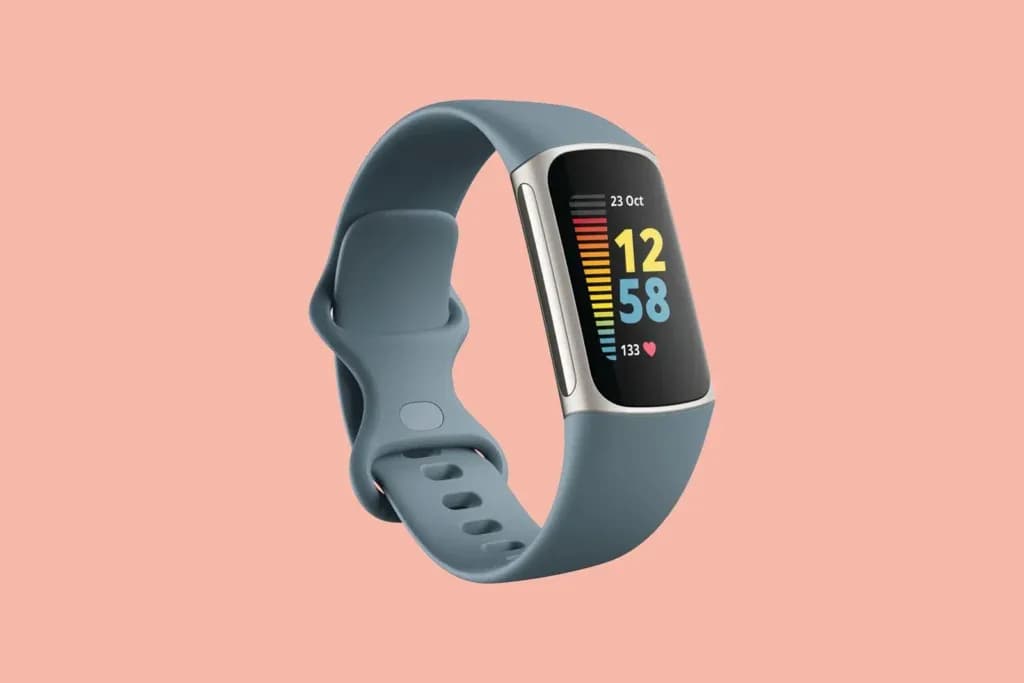
Almost every fitness enthusiast has or is into fitness tracker watches or feels the need to own one as they believe it helps with keeping track of the progress one makes in terms of their fitness journey. Smartwatches and fitness trackers have become a popular trend in recent years. These handy tools can keep track of your daily steps, heart rate, sleep, and more.
They can be a convenient and even fun way of staying motivated, hitting your exercise goals, and challenging your workout buddies. While they are geared toward encouraging a healthy lifestyle, some experts worry that these devices might contribute to addictive behaviours and even exercise addictions.
Do you check your step count whenever you’ve been out running errands? Or do you pace around the house each night to boost your numbers up over your daily goal? Or maybe you find yourself taking the stairs more or parking further from your destination just so you can get your heart rate up in your target zone.
These kinds of behaviours probably mean you are benefiting from your fitness watch. You’re increasing your activity level each day in small ways that are good for your health.
Or do you find yourself obsessively checking your steps and heart rate all day long? Are you setting increasingly unrealistic daily goals that involve working out for long sessions or even multiple sessions each day? If you’re engaging in these kinds of behaviours, it might be a sign that you are addicted to your fitness tracker.
Signs You Might Be Hooked
There are some signs that your obsession with your fitness tracker might be problematic:
You keep increasing the length of your workouts because your tracker makes you feel like you need to keep doing more
You neglect friends and responsibilities so that you have more time to workout
You feel anxious, irritable, or upset when you are not able to use your fitness device
You feel like you don’t have control over your behaviour; you use your device more than you intended or workout more than you planned
Your fitness device uses up a great deal of time, interferes with other activities, or causes you to withdraw from other things you enjoy
You keep using your device excessively even though these behaviours upset you or you know that they are unhealthy
You feel very upset or even ashamed when you don’t reach your daily activity goal
The Allure of Counting Steps
There are a number of reasons why hitting a daily step count (often 10,000 a day) can be so appealing.
It’s a very tangible, concrete goal, and wearing a device that tells you how far you’ve come and how far you have to go can feel very motivating.
Having a daily step goal can give you the drive to move more during the day, which might help you make better choices such as parking further from your destination or taking the stairs.
It can make you feel like you are taking definite actions towards your fitness goals. Your smart device not only tells you how many steps you’ve walked but also lets you look back at your history and visually chart your daily activity. This can be a compelling visual view of your progress.
Tracking your steps can also help harness your competitive nature to work toward a healthy goal. Whether you are just trying to beat your own personal record or doing daily challenges with your workout buddies, having a little friendly competition can help keep you inspired to move more.
Of course, this obsession with step counts can also be problematic. Failing to meet your daily goal can be demotivating. Rather than focusing on your progress, you might get hung up on your shortcomings.
Another problem is that you might find yourself paying to much attention to an arbitrary number rather than focusing intuitively on how your body feels. Form, effort, and intensity all play an important role in workout effectiveness and injury prevention—none of which can be fully captured by a fitness tracker. Paying attention to your heart rate can be helpful, but it still doesn’t convey what you are really feeling. You might find yourself working through soreness, pain, or even injury just to hit that step count goal.
Why Track Fitness
The goal of fitness trackers is not just to provide detailed information on behaviours—they are also designed to encourage you to make healthier choices. The goal is to get you “hooked” on your device so that you rely on its feedback and use that information to set goals, stay motivated, and stick to your fitness plans.
Many indicators suggest that, if anything, wearable fitness devices may not be addictive enough. A 2016 survey found that wearable fitness trackers have a high abandonment rate, with approximately 30% of people giving up their smartwatches and fitness trackers because they did not find them useful or interesting.
So even if you do track your steps and strive to hit that target 10,000 per day, just wearing your device might not be enough to help you stay on track.
How Effective Are They
While fitness tracker addiction has garnered headlines, most findings suggest that the majority of people eventually stop using their wearable devices. The question also remains as to how much these fitness trackers actually help people become more fit. The available research remains skimpy and largely inconclusive.
Simply providing information about health does not necessarily result in changes in behavior. Researchers suggest that there is little evidence that wearable devices actually bridge the gap between tracking health information and making better fitness choices.
One year-long study showed disappointing results in terms of effectiveness. The study looked at 800 adults who were divided into four groups.
The first group wore a clip-on fitness tracker and received a cash incentive if they walked more than 50,000 steps a week
The next group also received a cash incentive, but they were required to donate it to charity
A third group wore the activity tracker but did not receive a cash incentive
The last group did not wear a tracker or get a cash incentive
The results were that while the participants in the first group did walk more for the first six months of the study, by the one-year mark, 90% had stopped wearing their activity tracker. The results indicated that an activity tracker had no overall impact on health, even when combined with a financial incentive.
Another study looking at the impact of fitness trackers on weight loss found that people who wear these devices were no more active than those who did not. Perhaps more surprisingly, the study found that people who did not wear a tracker actually lost more weight than those who did.
The available research suggests that the vast majority of people don’t get addicted to their fitness trackers and that most abandon their device completely in the first year. While this suggests that there is likely little danger of becoming too hooked on your device, it doesn’t mean that it isn’t possible, particularly if you tend to fixate on fitness or have an existing exercise addiction.
Next Steps
If you do fear that you might be addicted to your fitness tracker, there are some steps that you should consider taking:
Set limits. If you are spending too much time looking at your smartwatch or exercising excessively each day, try to reign it in gradually by setting limits. Tell yourself that you will only check your tracker a few times each day. Restrict your daily step count to a level that is comfortable and not so high that it takes an excessive chunk out of your day to achieve.
Use distraction. Find other things to do that don’t involve checking your exercise tracker. Engaging in hobbies or socializing with friends can help get your mind on other things.
Skip wearing your device. While it isn’t necessary to give up your fitness tracker entirely, not wearing it on occasion can help keep you from being too focused on your daily step count.
Remove fitness apps from your phone. If you find yourself getting too hung up on the data from your device, try deleting the corresponding app from your phone, at least for a while. It can be hard to keep your mind off your tracker if you are constantly.