
Smartphone use physically affects your brain, study says
Smartphones might have been introduced to simplify lives, but a recent study has also revealed that the same smartphones might also be affecting our brains. Grey matter controls a person’s emotions, speech, sight, hearing, memory and self-control. Other studies have reported similar brain alterations due to drug usage. “Given their widespread use and increasing popularity,
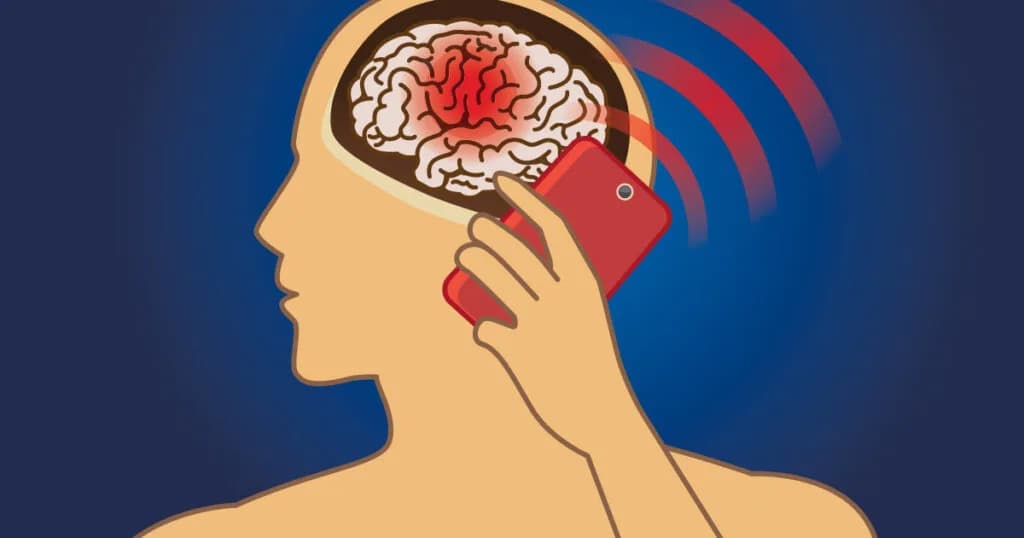
Smartphone use physically affects your brain, study says
Smartphones might have been introduced to simplify lives, but a recent study has also revealed that the same smartphones might also be affecting our brains.
Grey matter controls a person’s emotions, speech, sight, hearing, memory and self-control. Other studies have reported similar brain alterations due to drug usage.
“Given their widespread use and increasing popularity, the present study questions the harmlessness of smartphones, at least in individuals that may be at increased risk for developing smartphone-related addictive behaviors,” reads the study by researchers from Heidelberg University in Germany.
In the U.S., over 24% of kids from 8 to 12 years old have their own smartphone and 67% of their teenage counterparts do, with younger teenagers using an average of about six hours’ worth of entertainment media daily.
The average American spends around four hours a day on their smartphone, according to a RescueTime survey.
Companies like Apple and Android provide features that help users manage their screen time, while other apps like Moment and Freedom help smartphone junkies block access to certain apps and websites.
Image: