Shoprite and Investec Forge Alliance Banking Partnership to Address Unbanked Market
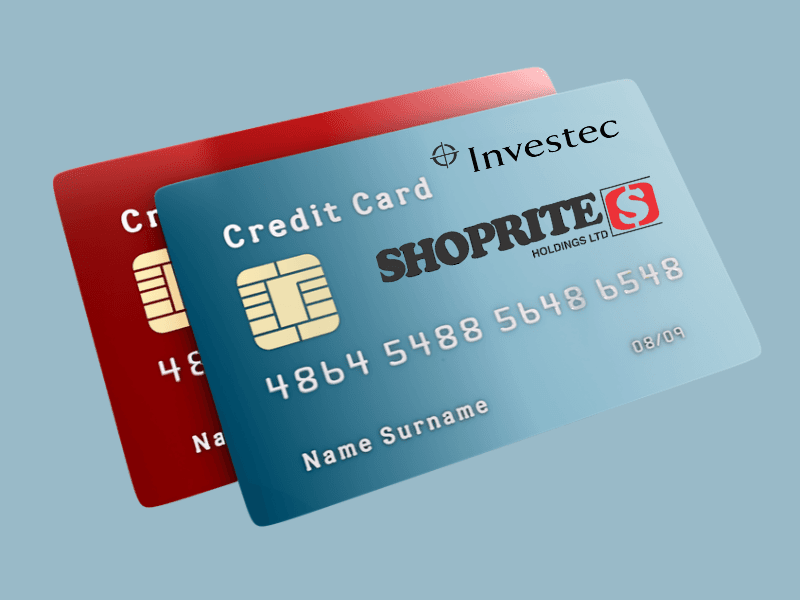
Shoprite is closing a partnership with Investec, where the bank will become the banking sponsor for an expanded transactional account from Shoprite Financial Services. Shoprite would design, brand and distribute the product through its stores, brands and digital channels.
Shoprite & Investec Banking Partnership
An agreement in principle announced on 9 November 2026 will see Africa’s largest grocer deepen its transactional offering, including a planned debit card, while international banking group, Investec, supplies the licence and infrastructure.
Deal Structure and Practical Operation
Under the proposed alliance, Investec becomes the banking sponsor for an expanded transactional account from Shoprite Financial Services. Shoprite would design, brand and distribute the product through its stores, brands and digital channels. Investec would provide the banking licence, balance sheet, regulatory framework and core infrastructure. Customer deposits would sit on Investec’s balance sheet. The partnership is non-exclusive and does not replace Shoprite’s existing relationships with other banks, payment providers or loyalty partners. Regulatory approval is still required, and neither company has disclosed a launch date, pricing or full product specifications.
If the partnership proceeds as outlined, millions of Shoprite customers would gain access to a more complete transactional account under a familiar retail brand
Shoprite’s Existing base and Strategic Motivation
Shoprite already operates a Money Market Account used by more than 4.3 million customers, many of them previously unbanked or underbanked. This service, launched in 2020 and later expanded into a low-cost transactional account. It is a simplified banking service which carries no monthly fees and charges a flat R5 for cash withdrawals at group stores.
Customers can receive social grants, transfer money, pay bills and purchase airtime, electricity and data via the service. The account has previously run under other banking banking partners including African Bank. Shoprite has tested a Mastercard debit card linked to the account and indicated in its 2026 integrated report that it plans to develop a fuller bank-account experience.
The retailer’s motivation centres on higher-margin revenue and deeper customer engagement beyond grocery sales. Chief executive Pieter Engelbrecht has repeatedly said the company wants transaction volume rather than full bank status. “We are not bankers, we are retailers,” he told Bloomberg in September 2026. “I am after the transaction.” Full-fledged banking, he has argued, is better left to the bankers. The Investec partnership allows Shoprite to expand the Money Market offering with card-based payments and potentially other services while using its more than 2 800 South African stores and digital platforms as the distribution network. It also retains control of the customer relationship and associated data and loyalty benefits.
Why the Arrangement Suits Investec
Investec has long focused on high-net-worth private clients and corporate banking. Group chief executive Fani Titi said the partnership enables the bank to access new markets and scale its established capabilities “while remaining focused on our existing target market.” It also deepens Investec’s participation in South Africa’s payments ecosystem and broadens access to retail deposits.
In practice, Investec is white-labelling its licence and infrastructure so a trusted mass-market retailer can serve a customer segment the bank would not normally reach under its own brand. The core private-banking strategy remains intact while Investec gains a share of volume and deposits from a lower-income base.
Broader South African Context
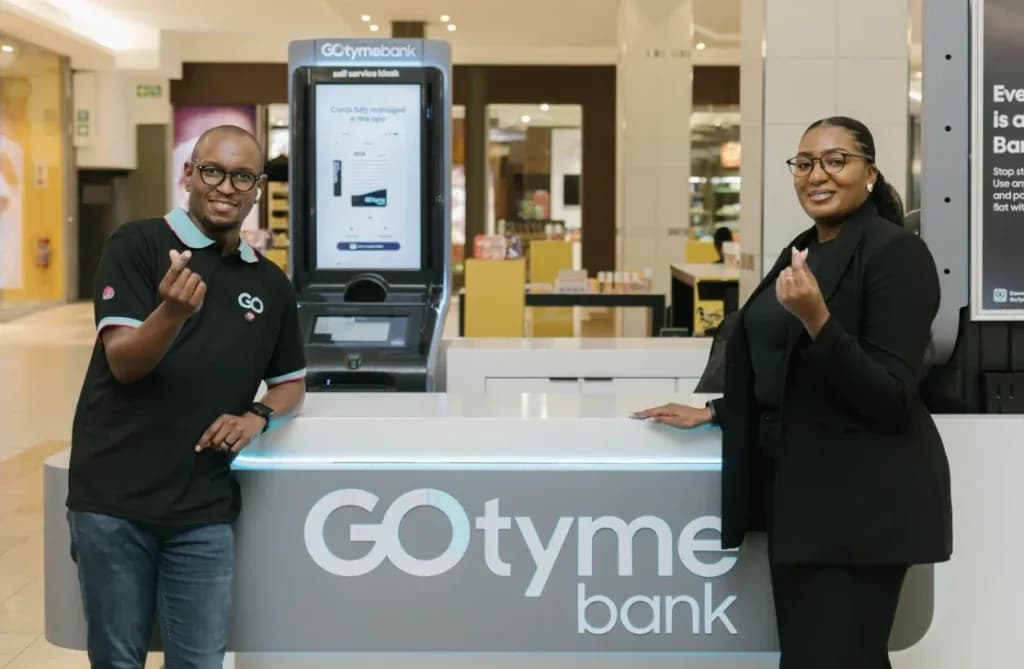
The deal fits a wider pattern of retailers and non-banks moving into everyday financial services. Pepkor has received regulatory approval to establish its own bank and aims to launch in 2027 through its extensive store network. Sanlam is introducing transactional banking via a partnership with GoTyme, formerly TymeBank. Pick n Pay has offered in-store banking through TymeBank. Discovery Bank has reached profitability after years of losses. These moves reflect both the search for new revenue streams and the recognition that physical retail networks and established consumer trust remain advantages in the mass market.
Potential Impact on Smaller Fintechs
Smaller fintechs that have targeted the unbanked and underbanked face increased competition. Pure-play digital players have gained ground with low-cost accounts, mobile access and products aimed at grant recipients and informal workers.
Shoprite already competes in this space through its Money Market Account. Adding a debit card, broader payment capabilities and Investec’s regulatory backing strengthens that position. Shoprite brings nationwide cash-in and cash-out points, brand familiarity among lower-income households, and the ability to link banking to everyday grocery spending and rewards.
Smaller fintechs without comparable physical reach or brand recognition may find it harder to acquire and retain customers, particularly those who still rely on in-store cash services. Competition for the same grassroots base is likely to intensify, putting pressure on fees, features and acquisition costs.
Specialised fintechs are not eliminated. Shoprite’s offering remains focused on basic transactional services rather than a full suite of credit, investment or niche products. Players that deliver superior digital experiences, targeted lending or tighter integration with other services can still differentiate. The partnership also confirms continued demand for affordable banking among Shoprite’s customer base, which could support overall market growth even as share shifts toward larger, better-distributed players.
Outlook and Remaining Uncertainties
Regulatory approval remains a condition, and commercial terms have not been disclosed. Execution will be critical. Shoprite must preserve the simplicity and low cost that drove Money Market adoption, while Investec must manage the operational and regulatory demands of a much larger retail customer base without diverting attention from its core private-client business.
If the partnership proceeds as outlined, millions of Shoprite customers would gain access to a more complete transactional account under a familiar retail brand, and Investec would participate in mass-market payments and deposits while keeping its traditional focus. For smaller fintechs serving the same customers, the competitive environment has become more crowded.