
NeoFleet raises $4m to finance taxi fleets in Africa
Buying another car can be difficult for a taxi or ride-hailing operator when the business does not have enough cash and a bank is unwilling to finance the purchase.
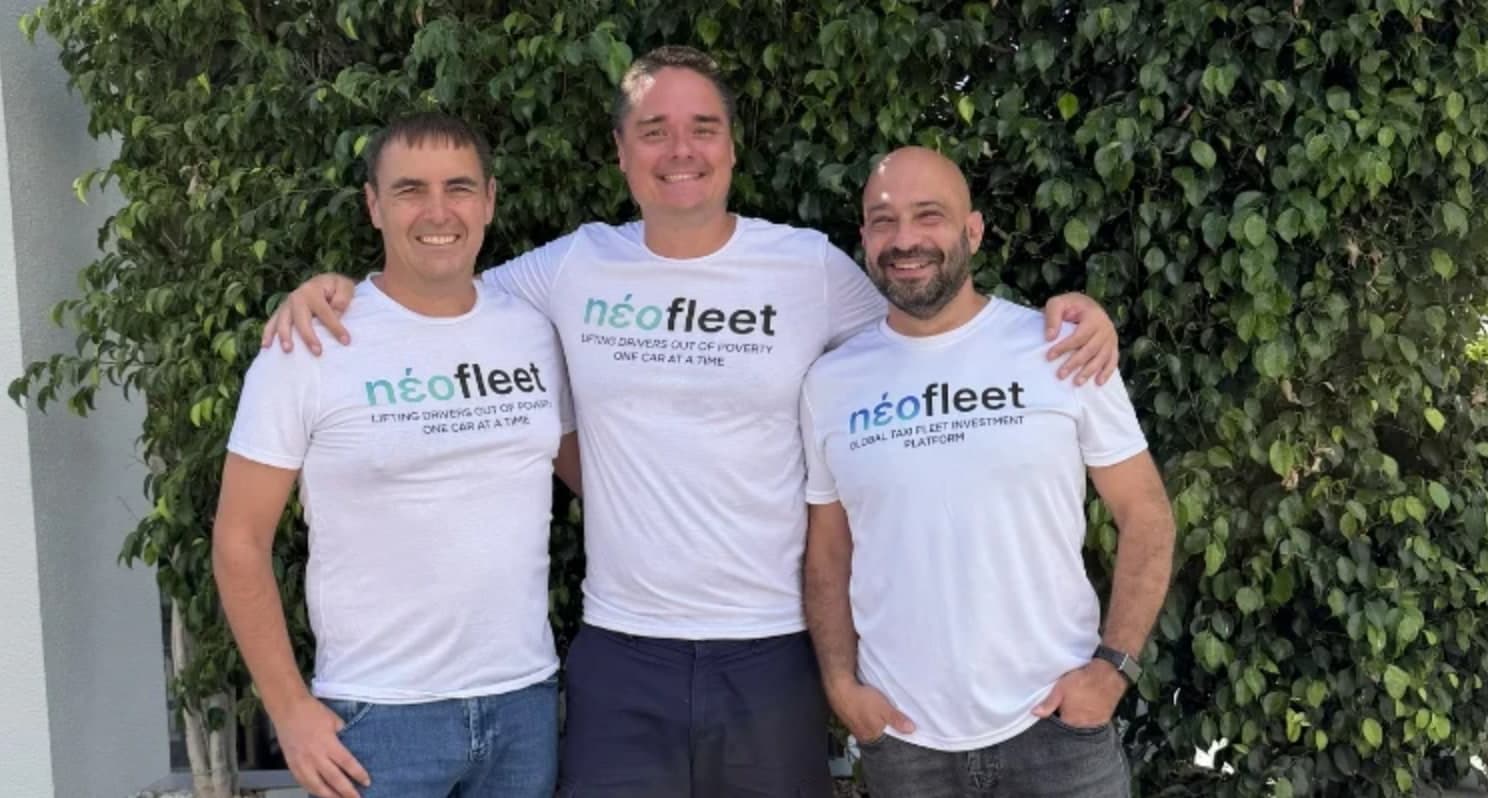
NeoFleet
Buying another car can be difficult for a taxi or ride-hailing operator when the business does not have enough cash and a bank is unwilling to finance the purchase. NeoFleet Capital is betting that there is a business in solving that problem.
AI-generated summary. It can miss nuance — read the full story above for the complete picture.
Buying another car can be difficult for a taxi or ride-hailing operator when the business does not have enough cash and a bank is unwilling to finance the purchase. NeoFleet Capital is betting that there is a business in solving that problem. The Cyprus-based company has raised $4 million in pre-seed funding to finance professional taxi and ride-hailing fleets. It currently operates in Senegal, Côte d’Ivoire and Peru.
DMTech VC, which invests in fintech and asset-backed finance, backed the round along with private investors. Mark Loughran, formerly president and CFO of ride-hailing company inDrive, also invested and has joined NeoFleet as president and co-founder. The round includes equity and debt.
Financing the fleet, not the driver
“Taxi operators need vehicles to put more drivers on the road, but many struggle to get the financing needed to buy them.”
NeoFleet is not primarily targeting individual drivers looking for a car. Its customers are professional fleet operators that already run taxi or ride-hailing vehicles and want to add more. That distinction matters because buying several vehicles at once requires considerably more capital than financing a single car. NeoFleet says banks often do not have the lending models or appetite to finance taxi fleets. Operators can therefore end up relying on their own money to expand.
Vehicle prices are another issue. World Bank data from 2021, compiled by TheGlobalEconomy, puts Sub-Saharan Africa's vehicle-price index at 107.74, compared with a global benchmark of 100. “We address a fundamental problem in many high-growth mobility markets: people need rides, drivers want to work, and capital is the missing piece to put more cars on the road,” Loughran said.
650 vehicles in three markets
NeoFleet was founded in 2024 by Igor Shiyanov and Oleg Mosyazh. The company says it now has about 650 vehicles in its network, with a combined purchase value of roughly $10 million. It does not use one financing structure for every deal. In some cases, NeoFleet provides secured financing and the fleet operator buys the vehicles. In others, NeoFleet buys the vehicles and rents them to an operator.
It also uses instalment sales, allowing operators to pay for vehicles over an agreed period. The arrangement determines who owns the vehicles and how NeoFleet gets its money back. The company earns interest and fees from financing deals. It also earns rental income from vehicles it owns. It expects software, maintenance, insurance and other fleet services to become additional sources of revenue.
Tracking the vehicles
Once NeoFleet has money tied up in a vehicle, it needs to know where that vehicle is and how it is being used. The company uses telematics to monitor vehicles, including their location and status. It also assesses operators before financing them and uses data from ride-hailing platforms and other sources to identify established businesses. The vehicles are insured. If an operator misses payments, NeoFleet says it first looks at whether the problem can be resolved by changing the repayment schedule. If that does not work, it can recover the vehicle and place it with another operator. That is an important part of the model because the vehicles are the assets backing the financing.
Aiming for 5,000 vehicles
NeoFleet will use the new funding to expand its existing operations and enter additional markets. It wants to reach 1,000 vehicles by the end of 2026 and 5,000 by the end of 2027. At 5,000 vehicles, the company estimates the fleet would have a combined value of between $75 million and $100 million. NeoFleet is considering more than 15 countries for its next expansion and plans to select two or three markets. Its focus includes Africa, Latin America, Southeast Asia and the Middle East. It will continue operating in Senegal, Côte d'Ivoire and Peru.
Autonomous vehicles are a longer-term idea
NeoFleet is also looking at autonomous vehicles, although that is not where its current business is concentrated. The company believes autonomous taxi fleets will still need financing, insurance, maintenance, repairs and vehicle monitoring. For now, however, its business is dealing with a more immediate problem. Taxi and ride-hailing operators need vehicles to put more drivers on the road, and some of them cannot get enough financing from traditional lenders.
NeoFleet is putting its money into that part of the market first.