Mozambique's $2.6 billion trade with UAE could open doors for local businesses
Mozambique already does a sizeable amount of business with the United Arab Emirates (UAE), but the two countries want to take that relationship further.
Mozambique
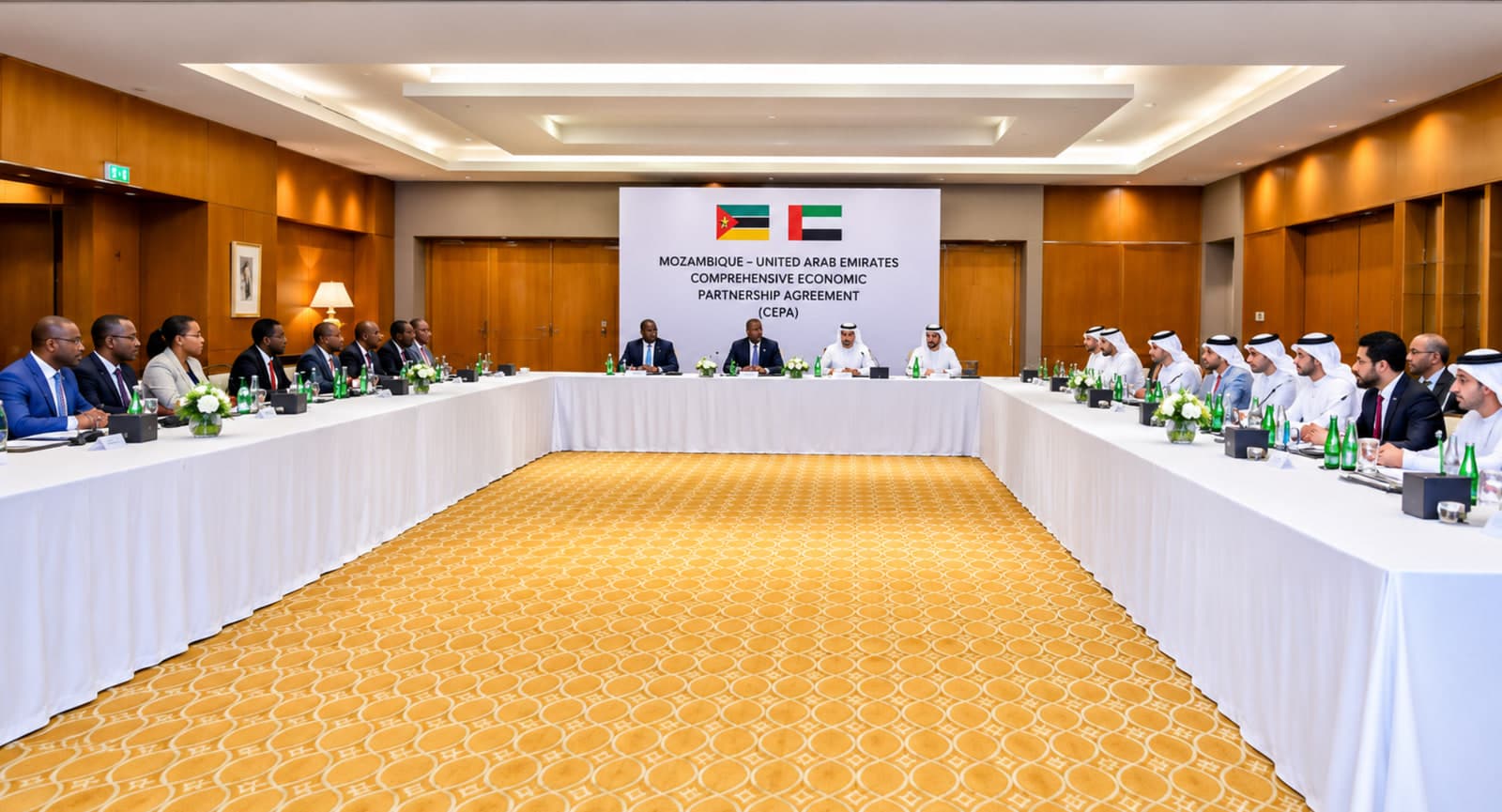
Mozambique already does a sizeable amount of business with the United Arab Emirates (UAE), but the two countries want to take that relationship further. Negotiations on a Comprehensive Economic Partnership Agreement have been concluded, following non-oil trade of approximately $2.6 billion between the countries in 2025.
AI-generated summary. It can miss nuance — read the full story above for the complete picture.
Mozambique already does a sizeable amount of business with the United Arab Emirates (UAE), but the two countries want to take that relationship further. Negotiations on a Comprehensive Economic Partnership Agreement have been concluded, following non-oil trade of approximately $2.6 billion between the countries in 2025.
For Mozambican companies, the UAE is more than another export destination. It is a major trading centre where goods are bought, distributed and moved into other markets, including parts of the Middle East and Asia. This could be useful for businesses producing agricultural goods, processed foods and manufactured products. Companies that have been selling mainly within Mozambique or neighbouring countries may have another market to explore.
Smaller suppliers could benefit too
"For smaller businesses, the opportunity may not be exporting directly to the UAE, but supplying the companies that do."
The opportunities are not limited to companies exporting containers of goods directly to the UAE. A small food processor could supply a larger exporter. A packaging company could get work from a manufacturer preparing products for international customers. Transport operators, cold storage providers and warehouse businesses could also benefit if export activity increases.
For SMEs, these contracts can be just as important as finding international customers themselves. Working as a supplier to an established exporter may be a more realistic way into international trade than trying to manage the entire process alone.
The cost of doing business across borders
There are practical difficulties, though. A business receiving an export order still needs money to produce the goods, package them and get them to the buyer. A small agricultural supplier may have to pay farmers and workers weeks before receiving payment from an overseas customer. A food manufacturer may need new equipment or packaging to meet the buyer's requirements.
Shipping costs, product certification and export paperwork can also make smaller orders expensive. For businesses with limited working capital, these expenses can quickly become a problem. This means the agreement will not automatically put smaller Mozambican businesses in a position to export. They will still need access to finance, information about export requirements and connections to buyers.
Can local businesses get a share?
There is also an investment opportunity. UAE companies looking at Mozambique could create demand for local contractors, suppliers, transport businesses and service providers. But the important question is how much of that business will go to companies operating in Mozambique, particularly smaller ones.
The $2.6 billion trade figure shows that the relationship is already established. What businesses will be watching now is whether the new agreement leads to more orders, new buyers and contracts that local SMEs can realistically compete for.