President Ramaphosa Opens South Africa’s Green Hydrogen Summit, Highlighting ESG and Innovation
Picture by Fuel cells work In a pivotal moment for Africa’s energy future, President Cyril Ramaphosa officially opened the inaugural Africa Green Hydrogen Summit today June 12, 2025, in Cape Town. The event not only marks a continental turning point but also positioned green hydrogen as a key driver of sustainable industrialization, climate resilience, and
President Ramaphosa Opens South Africa’s Green Hydrogen Summit, Highlighting ESG and Innovation
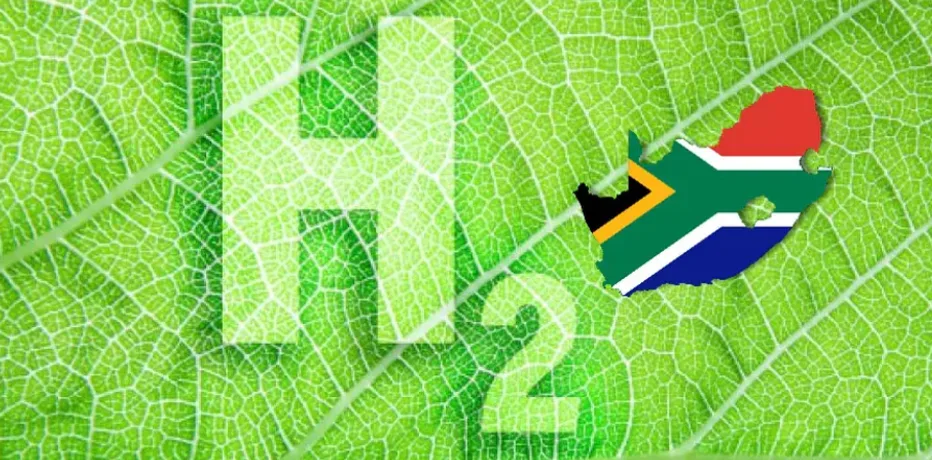
Picture by Fuel cells work
In a pivotal moment for Africa’s energy future, President Cyril Ramaphosa officially opened the inaugural Africa Green Hydrogen Summit today June 12, 2025, in Cape Town. The event not only marks a continental turning point but also positioned green hydrogen as a key driver of sustainable industrialization, climate resilience, and economic transformation across Africa.
Held under the theme “Unlocking Africa’s Green Hydrogen Potential for Sustainable Growth,” the two-day summit brings together energy ministers, global investors, researchers, and technology leaders. Significantly, Ramaphosa’s keynote address serves as a bold vision and a clear roadmap, aiming to place Africa at the center of the global green hydrogen economy.
Africa’s Natural Advantage in Renewable Resources
To begin with, Ramaphosa emphasized Africa’s unique positioning. “Africa is uniquely positioned to lead,” he stated, citing the continent’s abundant renewable energy resources sun, wind, and hydro as well as its vast reserves of critical minerals like platinum and iridium, which are essential for electrolyser technology. Therefore, green hydrogen is not merely a climate solution; instead, it is a catalyst for industrial development, job creation, and inclusive growth.
Strengthening the Africa Green Hydrogen Alliance
Equally important, a central feature of the summit was the reinforcement of the Africa Green Hydrogen Alliance, a coalition including South Africa, Egypt, Kenya, Namibia, Mauritania, and Morocco. Together, these nations now oversee over 50 large-scale hydrogen projects, aiming to produce between 30 and 60 million tons of green hydrogen annually by 2050. Consequently, this could generate between two to four million jobs across the continent.
Showcasing South Africa’s Flagship Projects
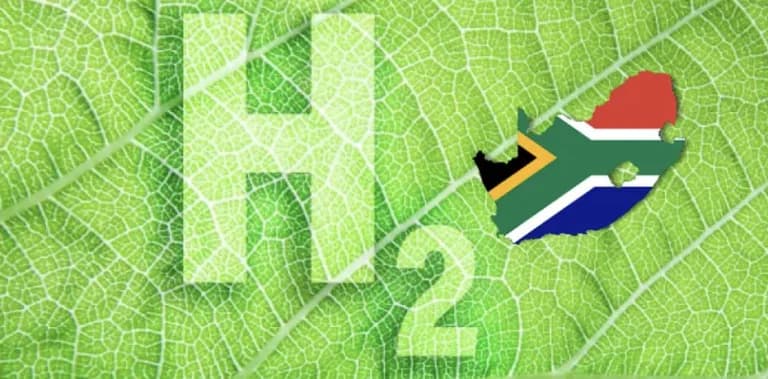
Furthermore, Ramaphosa highlighted several flagship projects already underway in South Africa. These include the Coega Green Ammonia Project in the Eastern Cape, Sasol’s HySHiFT program, and pilot initiatives in Sasolburg. In order to accelerate these efforts, the government has committed R1.49 billion to the H2.SA programme, which aims to enhance market readiness and attract foreign investment.
Policy Reforms and International Backing
The summit also highlights the need for strong policy frameworks and global partnerships. Ramaphosa welcomed progress in areas such as hydrogen certification, the development of regional hydrogen corridors, and efforts toward market integration. In particular, he praised Germany’s H2Global initiative, which includes an Africa-specific off-take support mechanism to secure long-term buyers for green hydrogen exports.
Closing the Cost Gap for Green Hydrogen
Admittedly, green hydrogen remains more expensive than fossil fuel alternatives. However, the President noted that recent reforms such as updated electricity wheeling rules, improved grid access, and innovative blended finance models are already enabling cost reduction and improved scalability. As a result, the summit signaled increasing confidence that green hydrogen will become commercially viable in Africa within the next decade.Read more here
Inclusive Energy Transition
Importantly, Ramaphosa reiterated that Africa’s hydrogen journey must be equitable and inclusive. “Green hydrogen must create opportunities for our youth, our workers, and our communities,” he stated. This means developing local skills, fostering small businesses, and promoting gender equity within the hydrogen value chain.
As the summit enters its second day, stakeholders expect additional project pitches, investment announcements, and technical roundtables. Clearly, the message from Cape Town is resolute: Africa is not merely participating in the global green hydrogen economy instead, it aims to expand its role and accelerate decarbonization initiatives.
.