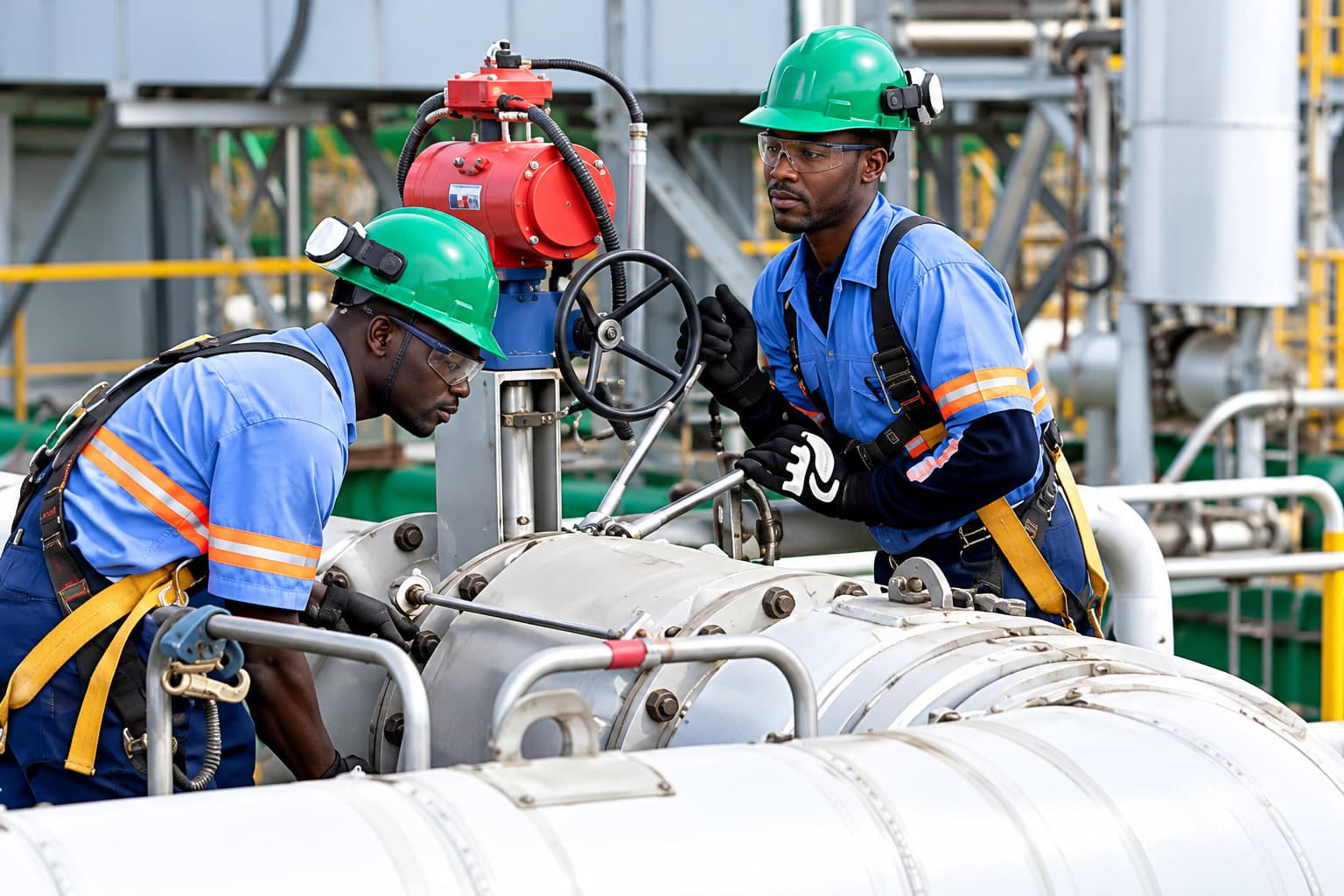
IFC proposes $40 million for renewable energy projects across Africa
Finding enough money to build renewable energy projects remains a problem for many energy companies in Africa. The projects may not require hundreds of millions of dollars, but raising a few million can still be difficult.
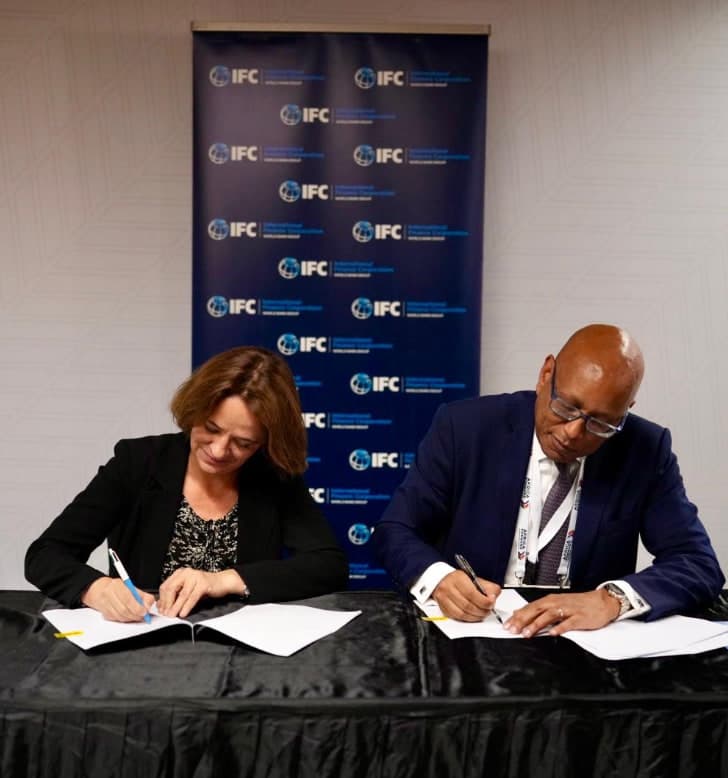
IFC Pic
Finding enough money to build renewable energy projects remains a problem for many energy companies in Africa. The projects may not require hundreds of millions of dollars, but raising a few million can still be difficult.The International Finance Corporation (IFC) is now proposing to invest up to $40 million in Camco REPP 2, a private debt fund that lends to renewable energy companies and projects across sub-Saharan Africa.
AI-generated summary. It can miss nuance — read the full story above for the complete picture.
Finding enough money to build renewable energy projects remains a problem for many energy companies in Africa. The projects may not require hundreds of millions of dollars, but raising a few million can still be difficult. The International Finance Corporation (IFC) is now proposing to invest up to $40 million in Camco REPP 2, a private debt fund that lends to renewable energy companies and projects across sub-Saharan Africa. The investment would be made through the fund's senior debt tranche.
It has not been approved yet, with IFC's project disclosure showing a proposed board date of November 6, 2026. If approved, REPP 2 will use the financing to support renewable energy projects across East, West and Southern Africa. The fund generally provides between $2 million and $15 million to individual investments. It focuses on projects including off-grid solar, mini-grids, commercial and industrial power systems, battery storage and smaller independent power producers.
The projects are smaller, but still need millions
The projects may be smaller than Africa's big power plants, but developers still need millions of dollars to get them built.
REPP 2 is not targeting the huge power projects that can cost hundreds of millions of dollars. It can finance solar, hydro and battery storage projects between 1MW and 25MW, while wind projects can be as large as 50MW. These could include a solar project supplying electricity to businesses, a mini-grid serving customers outside the national grid or a battery system helping a commercial or industrial customer manage its electricity supply. For the companies developing these projects, the financing problem is fairly simple: equipment and construction have to be paid for before the project starts earning money.
Local banks may not always be comfortable lending to smaller renewable energy projects, particularly where there are concerns around currency, regulation, construction delays or the ability of customers to pay for electricity over the long term. Large infrastructure investors, meanwhile, tend to look for bigger transactions. That leaves companies building smaller projects with fewer places to raise debt. REPP 2 is designed to lend to these companies.
IFC investment could bring more money into the fund
The proposed $40 million would sit at the senior debt level of REPP 2's capital structure. The fund also has senior and junior equity, while an up to $35 million portfolio guarantee from Nordic governments can cover up to 35% of losses on individual loans. For investors, these different layers determine who takes the losses first if a project runs into trouble. IFC also expects its participation to help REPP 2 attract other institutional investors. That could be important because the fund's ability to finance projects will depend on how much capital it can raise overall, not just the $40 million proposed by IFC. More investors would give Camco a larger pool from which to provide loans to renewable energy developers.
Businesses are another part of the market
REPP 2 also finances commercial and industrial renewable energy projects. This market has grown as businesses look for ways to deal with unreliable or expensive electricity. Instead of buying a solar system outright, a business can work with an energy company that pays for the installation and sells electricity to the business over an agreed period. The arrangement reduces the amount the business has to pay upfront. For the energy company, however, building these systems still requires capital. A developer that wants to install solar systems for 20 or 30 businesses, for example, needs enough money to buy equipment and cover installation costs before it starts receiving payments from customers. Debt financing can allow the company to build more projects without funding everything from its own balance sheet. This is the part of the energy market REPP 2 is targeting.
Financing across several African markets
The fund can invest across East, West and Southern Africa, with no single region allowed to account for more than 60% of its portfolio. That gives it room to finance different types of projects in different markets. It also means developers do not have to rely entirely on the availability of local bank financing in their own countries. The proposed IFC investment is linked to the World Bank Group's Mission 300 initiative, which aims to connect 300 million people in Africa to electricity by 2030.
Smaller renewable projects are expected to play a role in that effort, particularly in areas where extending the national grid is expensive or will take years. For energy companies, the availability of financing will determine how quickly some of those projects can actually be built. If IFC approves the investment, REPP 2 will have another major institutional investor and more money available to lend to renewable energy developers. The immediate development is the proposed $40 million investment. The bigger question for developers will be how much additional capital the IFC commitment helps Camco raise, and how quickly that money reaches projects across Africa.