IDC faces R24 billion in troubled loans as it reviews struggling businesses
The Industrial Development Corporation reported a R4.7 billion loss for 2025/26, with R24.1 billion in non-performing loans. It is preparing to bring in turnaround specialists to assess struggling investments and determine which businesses can be rescued, restructured or sold.
IDC
The development financier is looking at bringing in turnaround specialists to assess companies that are struggling financially, including some of its major industrial investments.
AI-generated summary. It can miss nuance — read the full story above for the complete picture.
The Industrial Development Corporation (IDC) is reviewing some of its struggling investments after reporting a R4.7 billion loss for the 2025/26 financial year. The organisation is preparing to bring in turnaround specialists and restructuring executives to work with businesses that are facing financial difficulties.
The scale of the problem is reflected in its loan book. The IDC reported that 35.1% of its R68 billion loan book was classified as non-performing, amounting to approximately R24.1 billion. This puts the organisation in a difficult position. It must decide which businesses can recover with additional support, which need changes in management and which investments may have to be sold or exited.
Some companies may need more than financial support
"The IDC must decide which businesses can recover with additional support and which investments may have to be sold or exited."
The IDC's approach will involve looking at how struggling businesses are being managed and what is preventing them from performing better. In some cases, companies may need new management, lower operating costs or changes to their business operations. Others may require debt restructuring or a different ownership arrangement. The aim is to establish whether these businesses can return to a position where they can operate without depending on further financial support. For the IDC, continuing to fund a company that cannot recover also means putting more money at risk.
Foskor and Mozal remain major concerns
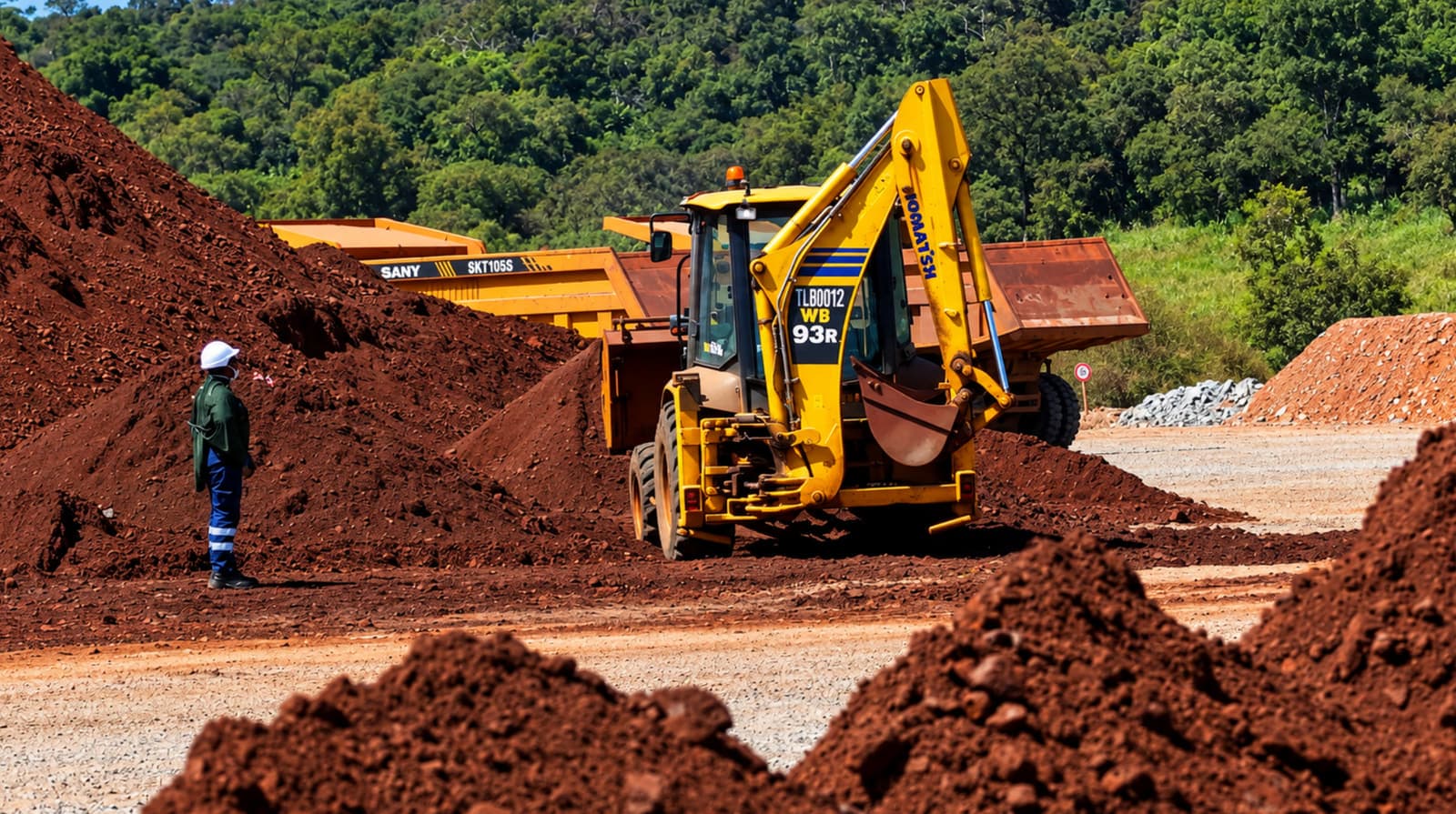
Two investments that illustrate the pressure are fertiliser producer Foskor and Mozambique's Mozal aluminium smelter. Foskor has faced financial and operational difficulties, while Mozal was placed under care and maintenance after failing to secure an affordable long term electricity supply. Both businesses are important to their respective industrial sectors and have wider links to suppliers, contractors and employees.
Their difficulties also show how problems such as high operating costs, unreliable infrastructure and expensive electricity can affect large industrial operations.
The decisions will affect more than the IDC
When a major company struggles financially, the impact is rarely limited to its shareholders and lenders. Suppliers can lose important contracts, employees face uncertainty and smaller businesses that depend on the company's operations may also come under pressure.
This is particularly important in mining and manufacturing, where large companies support networks of smaller service providers and contractors. A decision by the IDC to continue supporting a business could help keep those operations running. However, if a company cannot recover, restructuring or selling the investment may become the more practical option.
Where does the IDC go from here?
The IDC now has to balance its role in supporting South African industry with the need to protect its own financial position. It still needs to finance businesses that want to expand, invest in manufacturing and create jobs. At the same time, it must deal with investments that are not delivering the expected returns. The turnaround process will help determine which companies have a realistic chance of recovery and where the IDC may need to cut its losses. For South African businesses, the outcome matters. The decisions could affect jobs, suppliers, production and the future of some of the country's important industrial operations.