Golden Arrow looks to add another 40 to 60 electric buses
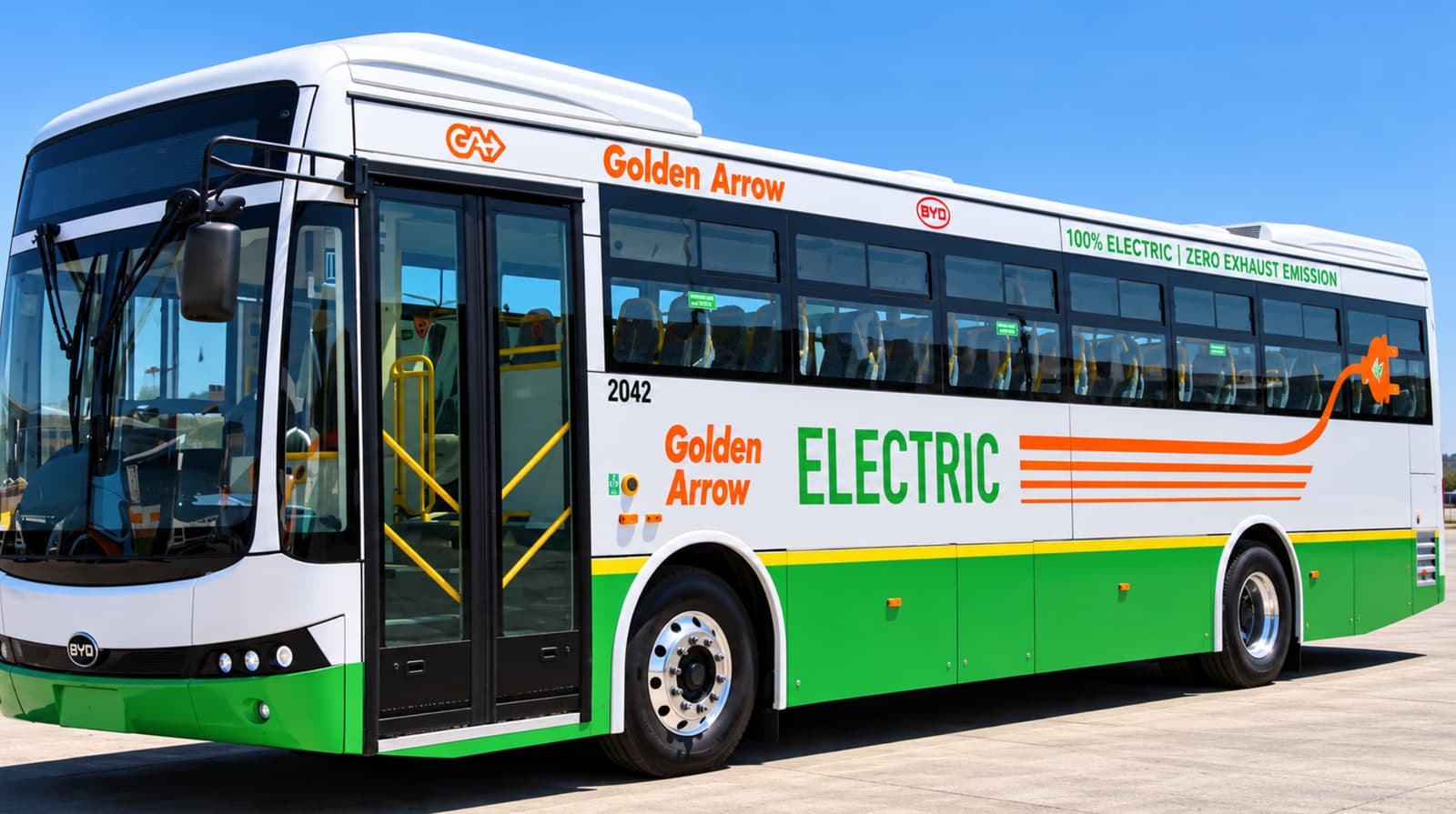
Golden Arrow Bus Services is preparing to put another 40 to 60 electric buses out to tender, with delivery expected after April 2027.
Golden Arrow
Golden Arrow Bus Services is preparing to put another 40 to 60 electric buses out to tender, with delivery expected after April 2027.
AI-generated summary. It can miss nuance — read the full story above for the complete picture.
Golden Arrow Bus Services is preparing to put another 40 to 60 electric buses out to tender, with delivery expected after April 2027. The Cape Town bus operator is looking to expand its electric fleet as public transport companies assess the cost of moving away from diesel. But buying the buses is only part of the expense. Golden Arrow will also need to account for charging facilities, electricity prices, maintenance and the cost of keeping vehicles available for daily services.
The planned tender comes as operators face practical questions about running electric buses on busy routes. A vehicle needs to be charged and ready when its next trip starts. If charging takes longer than expected or a bus develops a fault, the operator still has passengers to move.
Charging costs could shape the decision
“A bus that costs less to run but spends too much time out of service may not deliver the expected savings.”
Electric buses need suitable charging points and enough electricity to support the fleet. Adding another 40 to 60 vehicles could require changes at Golden Arrow's depots, depending on the capacity of its existing electrical connections and charging facilities. The company will also have to consider when the buses charge and how much that electricity costs. Charging several vehicles at once can put additional demand on a depot's power supply, while electricity tariffs will affect the savings made by using electricity instead of diesel.
These costs are easy to overlook when comparing the purchase prices of electric and diesel buses. The full calculation needs to include the vehicles, charging equipment, any necessary electrical upgrades and the cost of running the fleet over several years.
Keeping buses on the road
Maintenance is another part of the calculation. Electric buses have fewer moving parts in some areas than diesel vehicles, which can reduce certain servicing requirements. However, batteries, electric drivetrains and charging equipment still need attention. Parts availability will matter, too. If a bus needs a specialised component that takes weeks to arrive, Golden Arrow may have to adjust its operations while the vehicle is out of service. The same applies if repairs require technicians with training in electric vehicle systems.
For a company running scheduled bus services, downtime has a direct operational cost. Golden Arrow will need to consider warranty terms, servicing arrangements and access to technical support when assessing bids for the new buses. Battery performance over time will also influence the economics. The company needs to understand how much range the buses can retain as they age and what happens if a battery needs repair or replacement during the vehicle's working life.
What the tender could mean for suppliers
The planned purchase could create opportunities for electric bus manufacturers and businesses supplying charging equipment, electrical installations, maintenance and replacement parts. Suppliers will need to offer more than vehicles. Operators need access to parts and technicians who can respond when something goes wrong. Charging infrastructure also needs to be suitable for the number of buses being operated and the schedules they must follow. For smaller businesses, the opportunity may lie in supporting the fleet rather than manufacturing the buses themselves. However, the actual work available will depend on Golden Arrow's tender requirements and the suppliers it selects.
The real cost of expanding the fleet
Golden Arrow's planned tender raises a question facing any bus operator considering electric vehicles: can the savings on diesel and some maintenance costs justify the initial investment and the expense of charging infrastructure? The answer will depend on the purchase price, electricity tariffs, the routes the buses cover, battery performance and how reliably they can operate. A bus that costs less to run but spends too much time out of service may not deliver the expected savings.
Golden Arrow has not, in the information available here, confirmed the final tender specifications or the cost of the planned purchase. Those details will help show how the company intends to expand the fleet and what it expects from potential suppliers. For now, the planned addition of 40 to 60 buses points to another stage in Golden Arrow's move towards electric public transport. The important measure will be how well the vehicles perform in daily service and what it costs to keep them there.