Ghana's Oil Service Contractors Lose Ground as Local Contract Awards Fall 57%
Ghanaian oil service companies secured just US$62.7 million in contracts during the first half of 2026, a 57.4% decline from a year earlier. New US$3.5 billion investment commitments for the OCTP and Jubilee projects could create fresh opportunities, but local contractors face growing pressure to develop specialised technical capabilities.
Oil and Gas Contractors
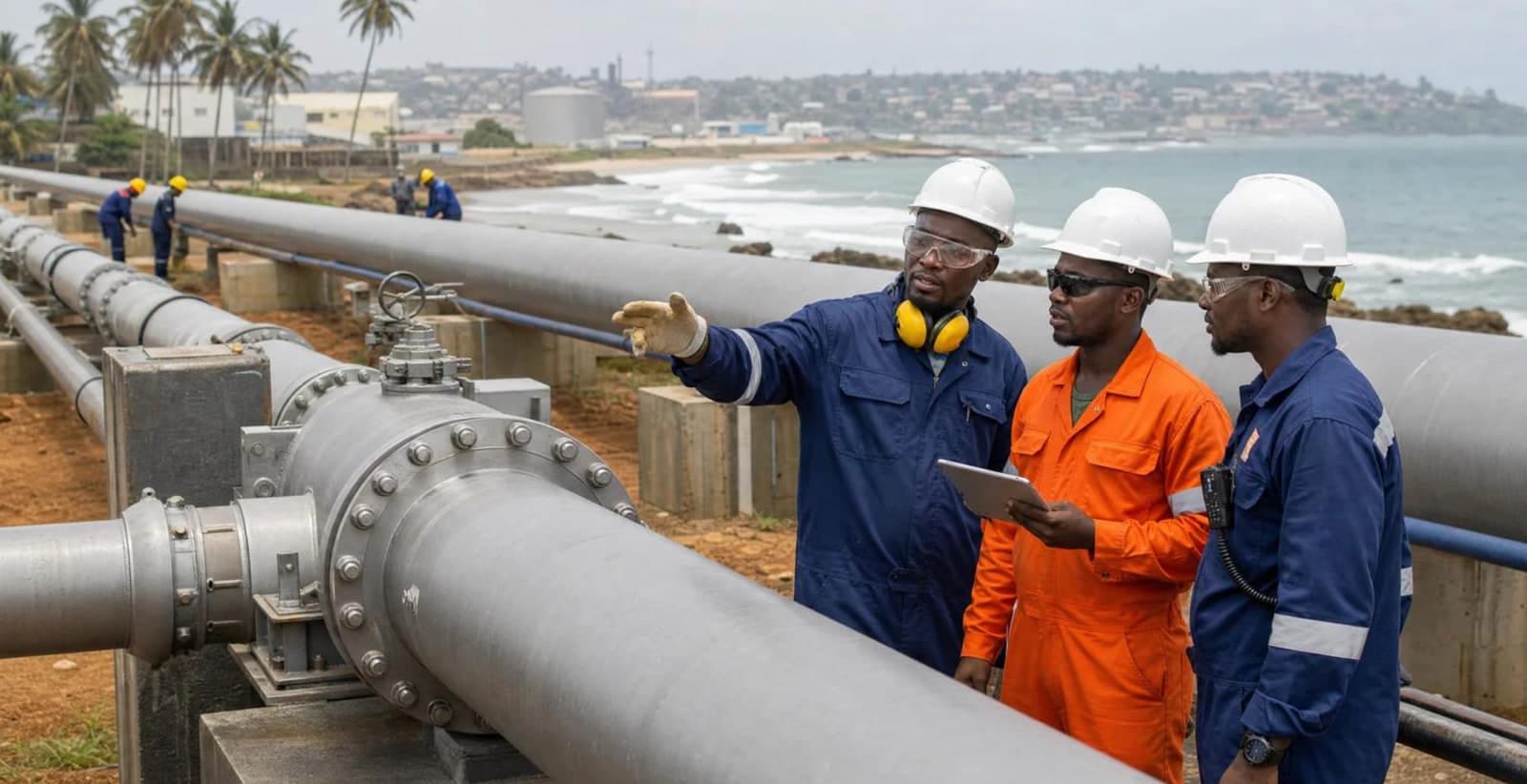
Ghanaian companies secured US$62.7 million in oil service contracts during the first half of 2026, down from US$147.3 million in the same period last year, as the completion of major offshore construction projects reduced opportunities for domestic contractors.
The decline has exposed a gap between Ghana's local content ambitions and the type of work available during different stages of oil and gas operations. Contractors that supplied equipment, labour and construction services during the development of major projects now face a market increasingly focused on production, where companies need different technical capabilities.
Baluri Kassim Bukari, deputy managing director of Eni Ghana, raised the issue at the Local Content Conference and Exhibition in Takoradi, held from 10 to 13 November 2026. He said the development of the Offshore Cape Three Points (OCTP) project generated more than US$4 billion in contracts for Ghanaian companies and joint ventures. However, many of those businesses have struggled to maintain the same level of activity since construction work ended.
Local contractors lose share of oil service contracts
Data from Ghana's Public Interest and Accountability Committee (PIAC) shows that domestic companies have experienced a much steeper decline in contract awards than the wider oil services market.
Total oil service contract awards fell by 9.5% to US$268 million in the first half of 2026. Over the same period, the value awarded to Ghanaian companies dropped by 57.4%, reducing their share of total contracts from 49.7% to 23.4%.
The figures point to growing pressure on local service providers, particularly those whose businesses expanded around large construction and infrastructure projects. Production operations continue to generate demand for services, but they do not necessarily offer the same volume or range of contracts as the initial development phase.
Bukari warned that companies cannot sustain their offices, employees and equipment indefinitely without a consistent pipeline of work. He called for faster allocation of exploration blocks and increased investment in exploration and production to create new business opportunities.
He also urged oil companies and their partners to move beyond nonbinding agreements and make firm investment commitments supported by development plans and final investment decisions. Such decisions provide greater certainty that projects will proceed and generate demand for contractors.
New offshore investments could create opportunities
Recent investment commitments offer some potential relief for Ghana's oil services industry. On 10 November, President John Dramani Mahama announced that partners in the OCTP project had committed an additional US$1.5 billion to Ghana's petroleum industry. Partners in the Jubilee oil field pledged a further US$2 billion.
The combined US$3.5 billion is expected to support new wells, subsea infrastructure and expansions to existing production facilities. These activities could generate contracts for local suppliers, although the technical requirements may exclude businesses that lack specialised equipment, expertise or operational experience.
Bukari stressed the need for Ghanaian contractors to strengthen their capabilities through investment in technical training, occupational health and safety and operational standards. Companies that previously concentrated on construction-related services may need to develop additional expertise to compete for work during the production phase.
Hamis Yussif, deputy chief executive for finance, commercial and administration at the Ghana National Petroleum Corporation (GNPC), said the country's local content strategy should extend beyond employment and contract awards. He called for the development of domestic companies that can own assets, build technical capabilities and compete in international markets.
The US$3.5 billion in project commitments provides a potential source of new work, but the distribution of those contracts will determine how much reaches Ghanaian service companies.