Dividend drought might be coming for South African investors
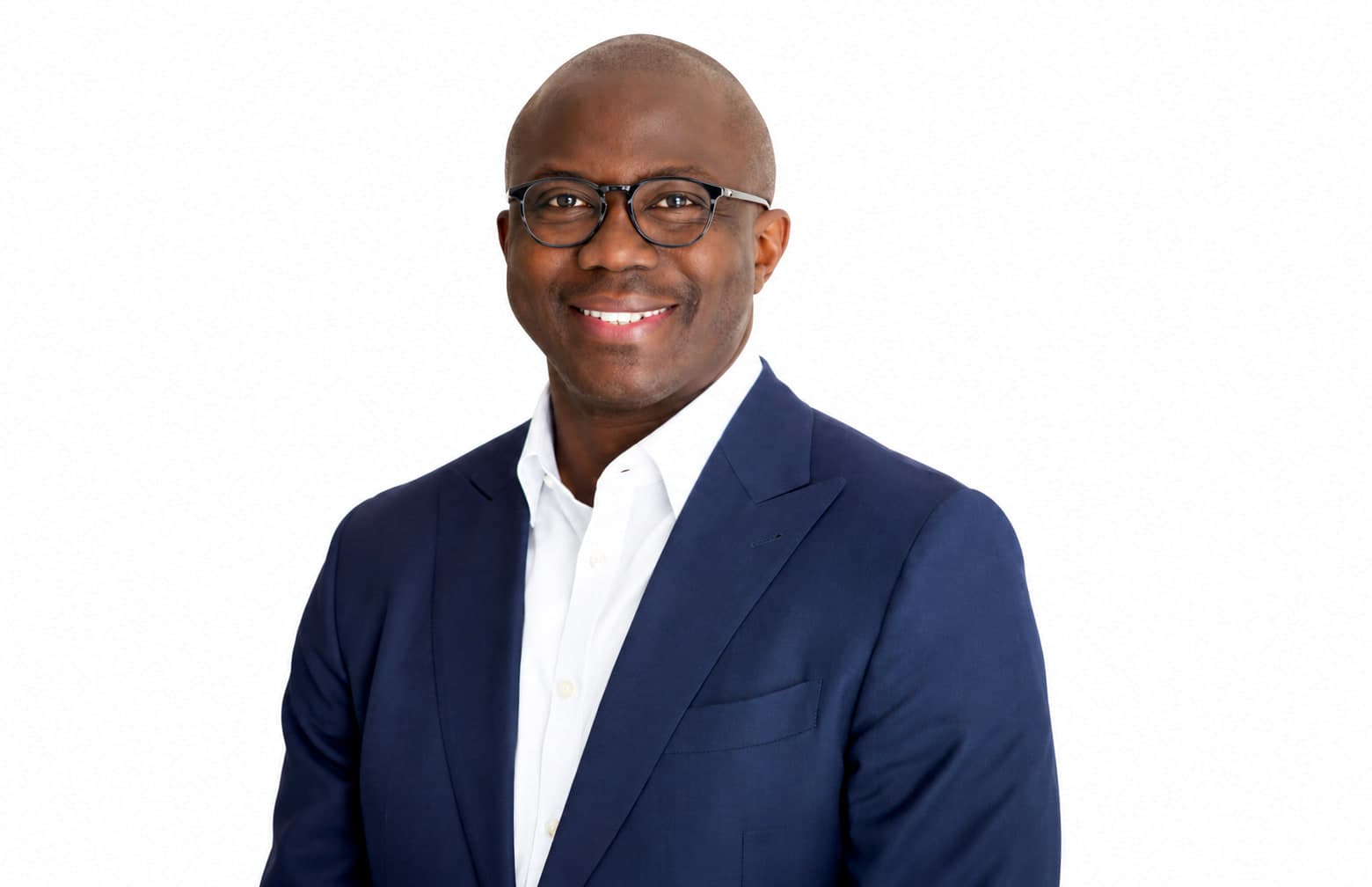
Investors in South African might be facing a dividend drought soon, with companies unable to pay dividends due to the tough operating environment and an uncertain economic outlook. The portfolio manager at Sanlam Investments, Roy Mutooni, spoke to CNBC Africa about the growing trend of South African companies not paying dividends. He said the rising
Dividend-drought-might-be-coming-for-South-African-investors
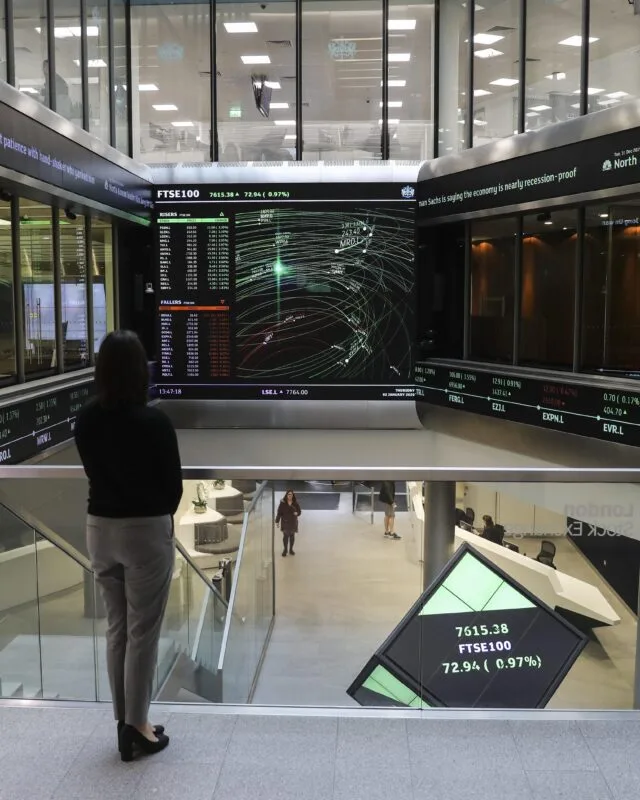
Investors in South African might be facing a dividend drought soon, with companies unable to pay dividends due to the tough operating environment and an uncertain economic outlook.
The portfolio manager at Sanlam Investments, Roy Mutooni, spoke to CNBC Africa about the growing trend of South African companies not paying dividends. He said the rising cost of capital with increasing interest rates is not determining whether a company chooses to pay dividends, but instead, it results from a difficult operating environment and a negative economic outlook.
Companies choosing not to pay dividends is out of prudence, since many would prefer to use that cash as a buffer against future shocks. “You have to make a rational choice as a management team. Where does the next rand go? Where does it give you the most bang for your buck?” – he said.
Particularly, companies have had to redirect money to mitigate the effects of load-shedding through generators or alternative power sources, and it would usually come from dividend payments as well as general capital expenditures.
Highly cash-generative businesses may still be able to continue to pay dividends since they can maintain a strong balance sheet while giving investors dividends. Mutooni also mentioned that investors could use dividends to indicate how healthy a business is.
When a company pays out a dividend, it usually indicates good cash flow generation, a strong balance sheet, and a stable outlook. In stressful times, dividends can then be used to distinguish between companies that can withstand external shocks without a significant impact on their business operations. However, Mutooni advised that investors should be wary when a company skips dividend payments or changes its dividend policy.
Regardless of the operating environment, when a company skips a dividend payment, it usually indicates internal issues, and made examples with MultiChoice, Spar, and Telkom, who all chose not to pay dividends last month. He also advised investors to always ask why a company skips a dividend payment and do deeper research.
More importantly, investors should look at how the company’s executives are rewarded, as the interests of management should always be aligned with shareholders. If it happens that dividends are skipped, it should not be to boost the executives’ salaries. Companies should never say, “We can’t pay you, but we will pay ourselves more,” as this undermines management’s credibility and raises questions about the future of the company.