Angola’s tech sector is paying more attention to cybersecurity as AI adoption grows
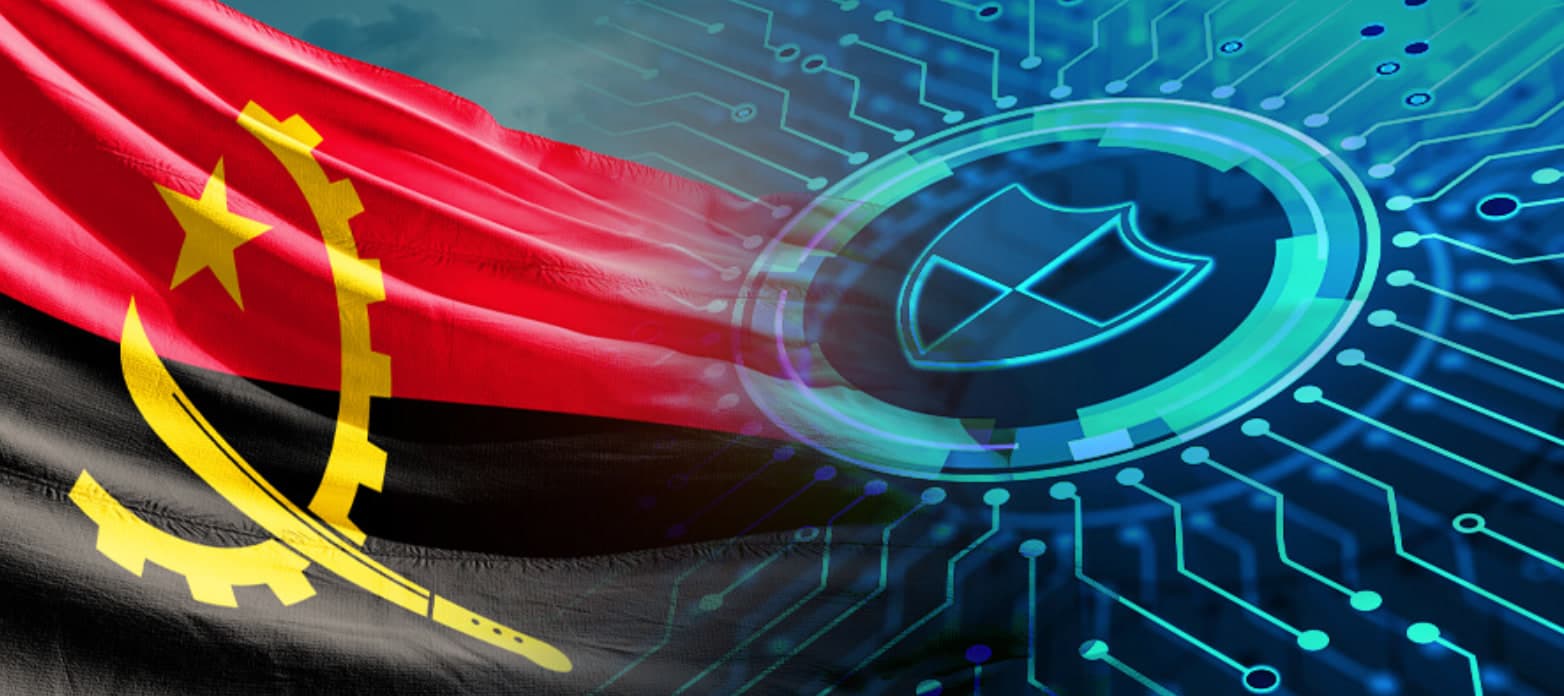
Angola’s technology industry is putting cybersecurity and artificial intelligence on the same agenda as more businesses start using digital tools in their day-to-day operations.
Angola Pic
Angola’s technology industry is putting cybersecurity and artificial intelligence on the same agenda as more businesses start using digital tools in their day to day operations. The issue is being discussed at the 17th FITITEL technology fair, which opened in Luanda this week. The three day event brings together technology companies, institutions, young innovators and industry specialists, with cybersecurity, digital trust and AI among the main areas of focus.
AI-generated summary. It can miss nuance — read the full story above for the complete picture.
Angola’s technology industry is putting cybersecurity and artificial intelligence on the same agenda as more businesses start using digital tools in their day to day operations. The issue is being discussed at the 17th FITITEL technology fair, which opened in Luanda this week. The three-day event brings together technology companies, institutions, young innovators and industry specialists, with cybersecurity, digital trust and AI among the main areas of focus. For businesses, particularly smaller ones, the timing is important. More companies are using online banking, digital payments, email, cloud services and social media to run parts of their businesses. AI is also becoming easier to access, with companies using it for everything from marketing and customer communication to preparing documents. That means there is more company information sitting online, and more accounts that need to be protected.
It does not take much to hurt a small business
A cyberattack does not always involve someone breaking into a complicated computer system. It could be a fake email asking for an urgent payment. It could be someone gaining access to a company's WhatsApp account and using it to contact customers. It could be an employee giving away a password after clicking on a fake login page. For a small business, any of these can become expensive. Take a supplier payment. If someone gets access to a company's email and sends a message with new banking details, an employee may make the payment without realising that the request is fake. By the time the business notices, the money may already be gone.
“For many small businesses, cybersecurity is not a technology problem. It is a question of protecting the money, customers and accounts that keep the business running.”
AI is making some scams harder to identify
AI is also giving fraudsters better tools. A scammer can use AI to write convincing emails, create fake documents or produce messages that look more like the way a particular business or person normally communicates. That matters because businesses have traditionally relied on obvious warning signs, such as strange wording or spelling mistakes, when deciding whether an email is legitimate. Those signs are becoming less reliable. For an SME without an IT or security team, training employees to question unusual requests can therefore be just as important as buying security software.
SMEs have different problems from big companies
Large businesses can afford dedicated cybersecurity staff and more expensive security systems. Most small businesses cannot. In an SME, the person dealing with technology may also be handling other jobs. Some businesses rely on an outside IT provider, while others leave most technology decisions to the owner. This can leave simple things unattended. A former employee may still have access to an account. Several employees may use the same password. A company may not have a recent backup of its important files. None of these problems looks serious until something goes wrong.
Banking accounts are now part of the security problem
As more businesses use online banking and digital payment services, protecting those accounts has become a business issue. The phone or computer used to access a company's bank account can be just as important as the account itself. Businesses can take some basic precautions. Payment details supplied by a new or existing supplier can be confirmed through a separate phone call. Important accounts can be protected with two-factor authentication. Employees do not need access to accounts or information that they do not use for their jobs. These are simple steps, but they can prevent some costly mistakes.
Angola also needs more local cybersecurity skills
The focus on cybersecurity at FITITEL comes as Angola continues to build its technology sector. That creates demand for companies that can help smaller businesses deal with practical security problems. An SME does not necessarily need a large cybersecurity department. It may need someone to check its systems, secure its email and online accounts, set up backups and train employees. There is also a skills gap to consider. The more companies use AI, the more they will need people who understand what information can safely be entered into these systems and what should remain private. That creates room for Angolan technology businesses and professionals who can provide these services locally.
For SMEs, the basics still matter
The conversation around AI can sometimes make cybersecurity sound like a problem involving advanced technology. For many small businesses, it is much simpler than that. Who has access to the company email? Who can approve payments? What happens when an employee leaves? Is the company's banking account protected with an additional login check? Does anyone verify a request to change supplier banking details? Those questions can tell a business more about its security than another expensive piece of software. Angola's technology sector is likely to keep adopting AI and other digital services. For the businesses using them, protecting accounts, payments and customer information will have to become part of the everyday running of the company.