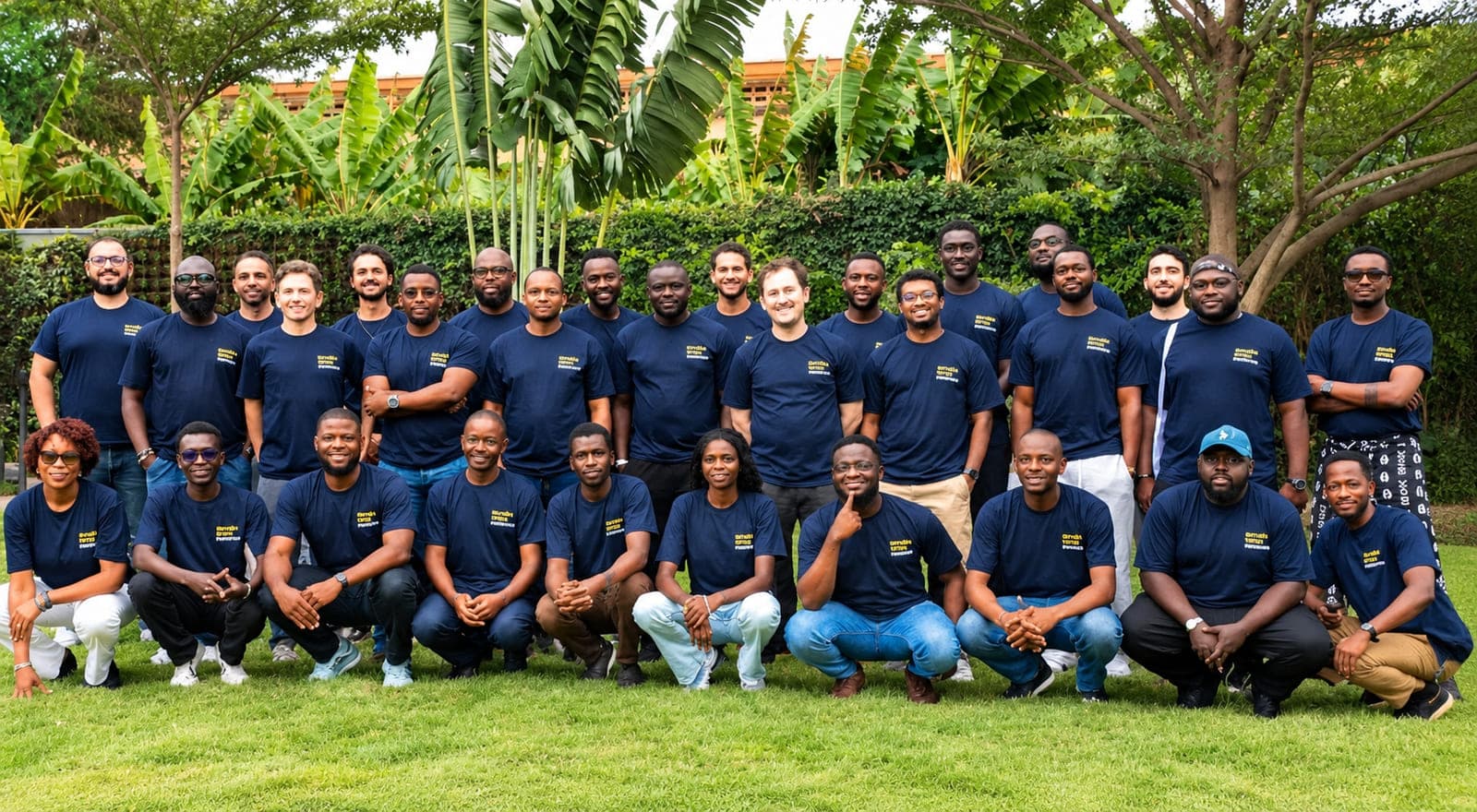
Cameroon’s REasy and AGL Pilot Digital Payment and Logistics Service for China Imports
Cameroonian fintech REasy and Africa Global Logistics (AGL) are testing a service that combines supplier payments, cargo consolidation, shipping and shipment tracking to help small businesses importing goods from China.
REasy
Cameroonian fintech REasy and Africa Global Logistics (AGL) are testing a service that combines supplier payments, cargo consolidation, shipping and shipment tracking to help small businesses importing goods from China.
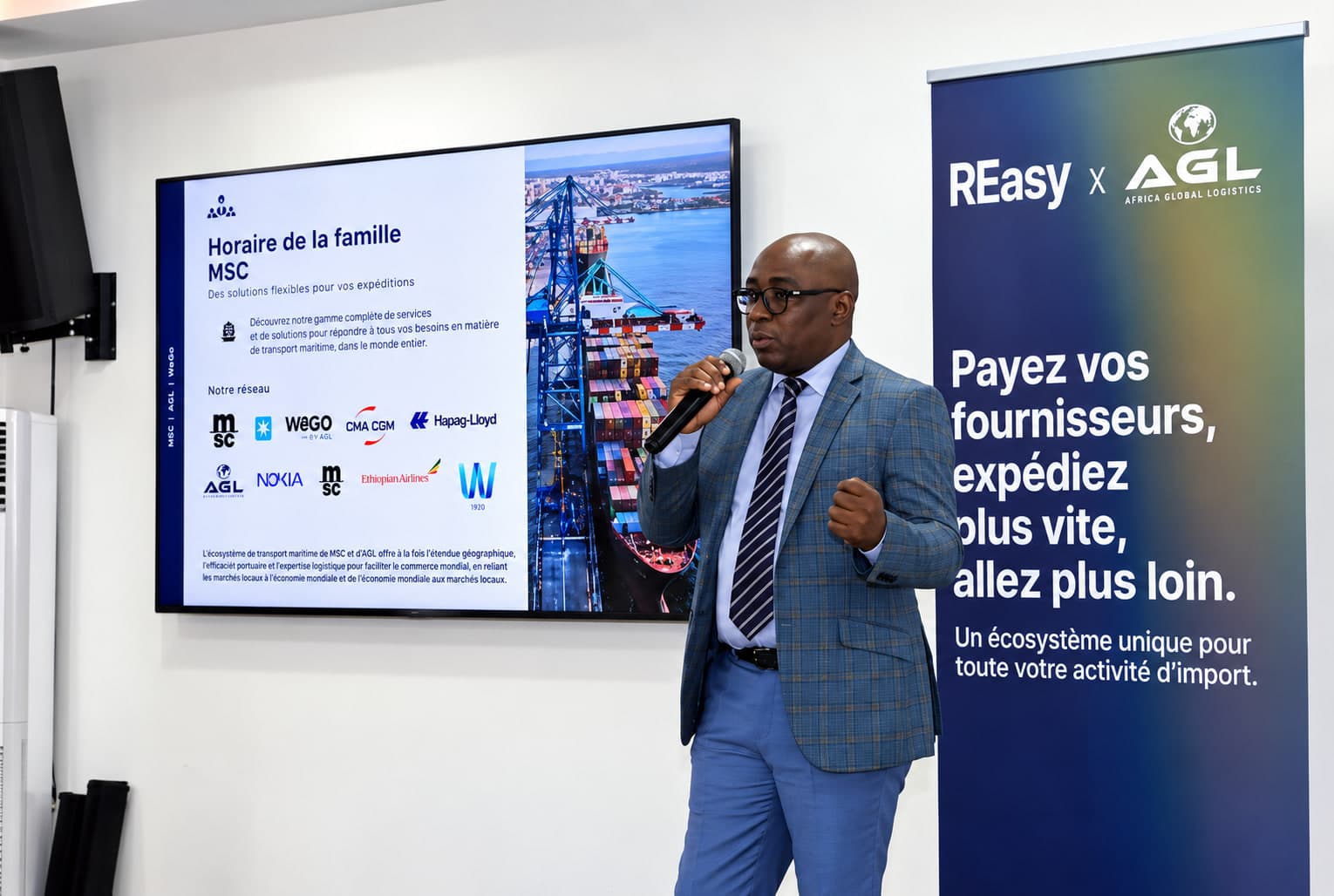
The service was presented to traders and importers in Douala on October 1, 2026, as the two companies expand a pilot that began earlier this year. A first consolidated container had already arrived in Douala on April 29.
Combining Payments and Logistics
The service brings several parts of the import process into one digital journey.
An importer starts by submitting a supplier invoice through REasy and making the payment. REasy provides the payment infrastructure, allowing businesses in Cameroon to send funds in CFA francs that are converted into Chinese yuan for payments to suppliers through channels including Alipay, WeChat Pay and Chinese bank accounts.
Suppliers do not need a REasy account to receive the funds.
AGL handles the logistics side. Its role includes consolidating goods in China, arranging international transport and managing logistics in Cameroon. Several importers can share space in one container, which is aimed at businesses whose shipments are too small to justify booking a full container.
The service also provides shipment tracking, giving importers greater visibility over their goods from payment through to delivery.
Targeting Small Importers
The pilot is focused on businesses that import goods from China but operate with relatively small shipment volumes.
For these traders, the import process can involve separate payment agents, freight companies, groupage operators and logistics providers. REasy and AGL are testing whether combining these services can reduce the administrative work involved and improve visibility throughout the shipment process.
AGL Commercial Director Nicolas Junior Nkada said the partnership is intended to address challenges faced by SMEs, particularly the time involved in moving goods between China and Cameroon.
The companies have indicated that some shipments could save three to six days in transit. However, those figures remain indicative and have not yet been supported by broader shipment data.
The companies have also not released comparative pricing showing exactly how much importers could save. AGL expects cargo consolidation and digital processes to reduce logistics costs, but the pilot will need to establish the actual savings.
A Significant China-Cameroon Trade Corridor
The potential market is substantial.
China supplied CFAF 1.1077 trillion worth of goods to Cameroon in 2024, accounting for 22.2% of the country's total imports. Cameroon exported CFAF 535.1 billion worth of goods to China during the same year.
Total trade between the two countries reached about CFAF 1.64 trillion, while Cameroon recorded a trade deficit of approximately CFAF 572.6 billion with China. The deficit declined from CFAF 714.3 billion in 2023.
Major imports from China include machinery and mechanical equipment, telecommunications equipment, agricultural chemicals, rice and new tyres.
For REasy, the China-Cameroon corridor provides a practical market for testing a broader cross-border payments model. The company was founded in 2023 and raised $1.8 million in pre-seed funding in 2025 to develop its payment services for African SMEs.
AGL has linked the partnership to its WeGoAfrica logistics offering for African SMEs, which includes cargo consolidation, shipment tracking, warehousing and document processing.
The REasy-AGL service remains in the pilot stage. The next phase will depend on how well the companies can demonstrate improvements in cost, transit times and reliability for small importers before expanding the model further.