Botswana sets up green finance working group
Botswana has set up a Green Finance Working Group to help shape how banks and investors finance projects with environmental benefits.
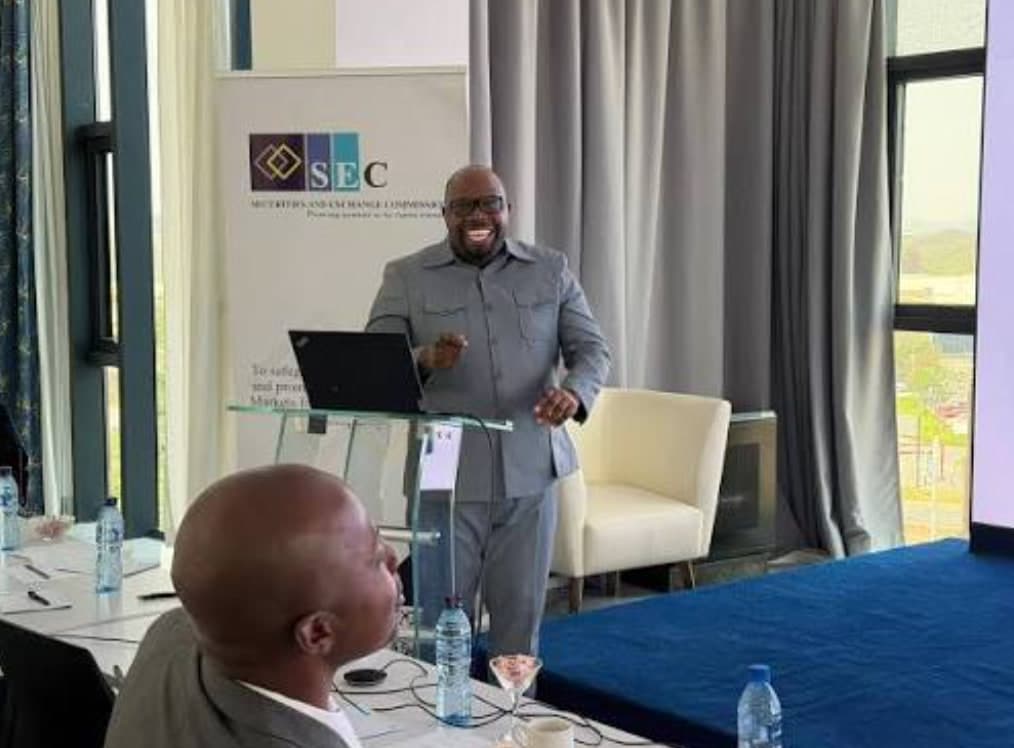
Botswana Pic
Botswana has set up a Green Finance Working Group to help shape how banks and investors finance projects with environmental benefits.
The group brings together government and financial-sector stakeholders to work on standards and other requirements for green finance in the country.
The aim is to give banks, investors and businesses a clearer idea of what qualifies for green financing and how these projects should be assessed.
AI-generated summary. It can miss nuance — read the full story above for the complete picture.
Botswana has set up a Green Finance Working Group to help shape how banks and investors finance projects with environmental benefits. The group brings together government and financial-sector stakeholders to work on standards and other requirements for green finance in the country. The aim is to give banks, investors and businesses a clearer idea of what qualifies for green financing and how these projects should be assessed.
Why this matters to businesses
Companies looking to invest in solar power, energy saving equipment, cleaner transport or waste management need money to get those projects started. For smaller businesses, raising that money can be harder. A small company may have a viable project but not have enough cash or assets to meet the requirements of a traditional business loan. Green finance could give some of these businesses another option, depending on how Botswana's framework is eventually structured.
“For SMEs, the real question is whether green finance will lead to loans they can actually afford and qualify for.”
What it could mean for SMEs
Small and medium sized businesses are likely to be among the companies watching the new framework closely. For example, an SME that wants to install solar panels to reduce its electricity bill could eventually look for financing specifically aimed at energy projects. The same could apply to a business replacing old equipment with more energy efficient machinery or investing in waste-reduction systems. But this will depend on what the working group decides and how banks use the framework. The creation of the group does not mean SMEs will immediately get cheaper loans or easier access to finance. Banks will still look at the business's finances, ability to repay and the risks attached to the project. What could change is that businesses have clearer information about which projects qualify and what they need to provide when applying for green finance.
Banks will have a role
Banks will be important if green finance is going to reach smaller businesses. A common set of standards can give lenders a way to assess green projects without each bank having to develop completely different criteria. For SMEs, this could make applications less uncertain. A business would have a better idea of what makes a project eligible before approaching a lender. It could also encourage banks to develop products aimed at smaller green investments rather than focusing only on large infrastructure projects.
The money still has to reach businesses
The working group's creation is only the beginning. Its recommendations will have to be adopted by financial institutions before businesses can see a real difference in how green projects are financed. For SMEs, the important question will be whether the new framework eventually leads to loans and other financing that they can actually afford and qualify for. If it does, a small business could use green finance to pay for equipment or projects that lower its energy costs and reduce its reliance on more expensive forms of power. For now, Botswana is working on the framework. What comes out of it will determine whether green finance becomes a useful source of funding for the country's smaller businesses or remains mainly focused on larger projects.