Africa’s car market is creating a bigger business around repairs and parts
There is a simple business that comes with every car on an African road: keeping it running. Someone has to replace the tyres. Someone has to fix the brakes
Africa's Car Market Pic
There is a simple business that comes with every car on an African road: keeping it running. Someone has to replace the tyres. Someone has to fix the brakes. A workshop has to diagnose the electrical fault, and a parts dealer has to find the component when the mechanic does not have it in stock. That work rarely gets the same attention as a new car launch or a major manufacturing investment, but it is a large part of what happens after a vehicle is sold.
AI-generated summary. It can miss nuance — read the full story above for the complete picture.
There is a simple business that comes with every car on an African road: keeping it running. Someone has to replace the tyres. Someone has to fix the brakes. A workshop has to diagnose the electrical fault, and a parts dealer has to find the component when the mechanic does not have it in stock. That work rarely gets the same attention as a new car launch or a major manufacturing investment, but it is a large part of what happens after a vehicle is sold.
The automotive aftermarket is now getting more attention in West Africa, with EQUIP AUTO Côte d’Ivoire scheduled to take place in Abidjan from 26 to 28 November 2026. The event will bring together companies selling spare parts, workshop equipment, tyres, diagnostic tools and other automotive services. Organisers expect around 150 exhibitors and brands and 10,000 visitors.
The car doesn't stop costing money after the sale
“The car may have been sold months or years ago. The business around it is only getting started.”
For a car owner, the purchase price is only the start. There are services, tyres, batteries, brake pads, suspension parts and repairs. Older vehicles can require even more work as components wear out. For commercial vehicles, the stakes are higher. A taxi that is off the road is not earning. Neither is a delivery van sitting at a workshop. A truck waiting for a part can hold up deliveries and add costs for the operator. That keeps mechanics and parts businesses busy, even when new vehicle sales are slow.
Chinese brands are changing what mechanics see in their workshops
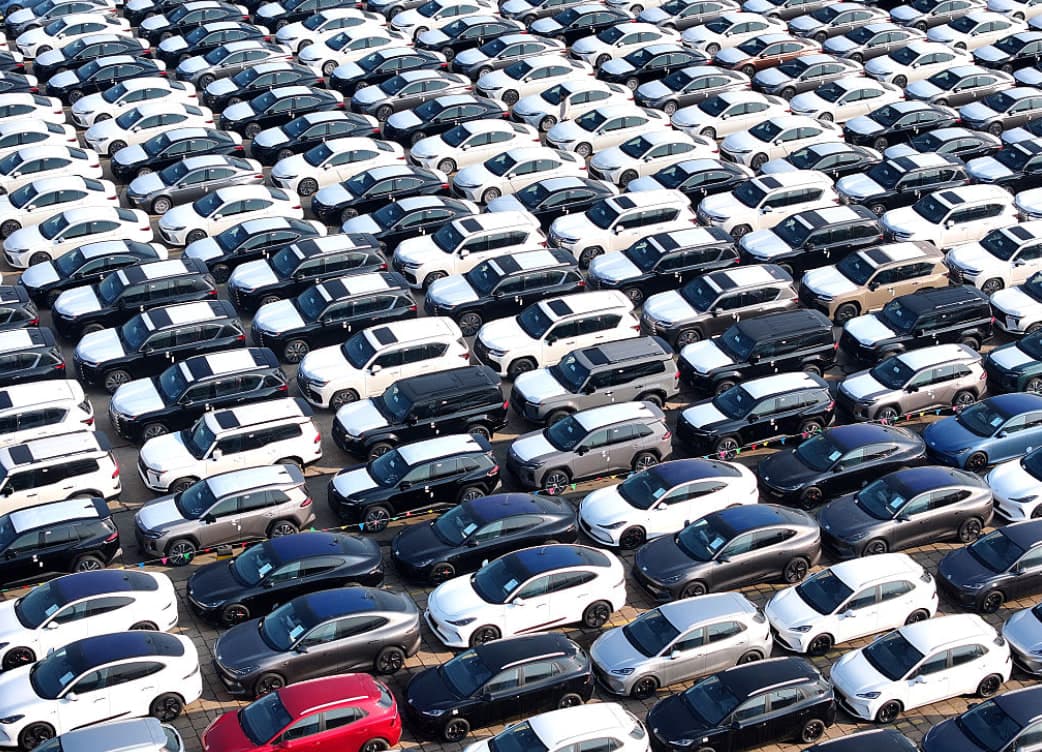
One of the changes taking place across African car markets is the arrival of more Chinese brands. Manufacturers such as Chery, Geely, GAC and BYD are expanding into different African markets, adding models that local mechanics and parts suppliers may not have dealt with before. The issue is not necessarily whether the cars can be repaired. It is whether the parts are available when they are needed. A workshop can diagnose a fault in an afternoon. If the required component has to be ordered from another country and takes several weeks to arrive, the customer has a very different experience. Parts dealers therefore have to keep up with a wider range of brands and models.
This is where smaller businesses come in
The aftermarket is made up of a lot of businesses that are easy to overlook. There is the independent mechanic working from a small workshop. The parts shop supplying several garages. The tyre dealer operating from a busy roadside location. The auto electrician specialising in electrical faults. The panel beater repairing damaged vehicles. None of these businesses needs to sell a new car to make money from the automotive industry. They make money from the vehicles already on the road. That also explains why access to parts and technical skills matters so much. A growing number of vehicle models does not automatically help a workshop if it cannot get the right diagnostic equipment or replacement components.
Electric vehicles will bring a different type of repair work
Electric vehicles add another issue. The basic maintenance is still there. Tyres still wear out. Suspension components still need replacing. Brakes still need attention. But an EV also brings batteries, electric motors, charging systems and high voltage components into the workshop. That means technicians will have to learn new systems as these vehicles become more common.
EQUIP AUTO Côte d’Ivoire is including electric mobility and charging infrastructure in its programme, alongside the more familiar areas of spare parts, tyres, diagnostics and workshop equipment. For workshops, this is less about suddenly becoming EV specialists and more about deciding when they need to start investing in the skills and equipment required to work on newer vehicles.
West Africa has a lot of ground to cover
The Abidjan event is targeting businesses from across the region, including Ghana, Nigeria, Senegal, Burkina Faso and Benin. The markets are not identical, and neither are the vehicles on their roads. But a mechanic in Lagos and one in Abidjan can face a similar problem when a customer needs a part that is difficult to find. Getting those parts into the market, training technicians and giving workshops access to better equipment are all part of the aftermarket business.
The money is not only in selling the car
Africa's automotive story is often about how many vehicles are being sold or which manufacturer is building the next plant. There is another story underneath that. Every vehicle that stays on the road needs somebody to service it. That means the growth of the vehicle market also feeds businesses selling parts, fixing cars, supplying tyres, running diagnostic services and training technicians.
And as more Chinese models and electric vehicles arrive, those businesses will have to adjust to what is sitting in their customers' driveways and workshops. The car may have been sold months or years ago.