Libya Starts First Deepwater Exploration Well in the Gulf of Sirte
Libya has begun drilling its first deepwater oil and gas exploration well in the Gulf of Sirte, bringing offshore exploration back into focus after decades of mainly onshore development. The project involves Italy’s Eni and Saipem, BP, the Libyan Investment Authority, and Libya’s National Oil Corporation (NOC), according to local media reports dated January 17.
Libya Starts First Deepwater Exploration Well in the Gulf of Sirte
Libya has begun drilling its first deepwater oil and gas exploration well in the Gulf of Sirte, bringing offshore exploration back into focus after decades of mainly onshore development. The project involves Italy’s Eni and Saipem, BP, the Libyan Investment Authority, and Libya’s National Oil Corporation (NOC), according to local media reports dated January 17.
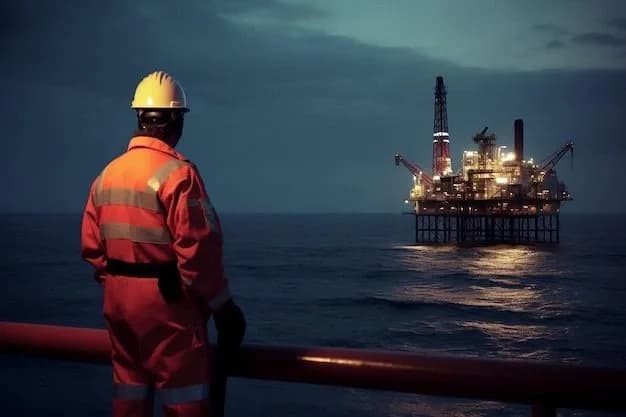
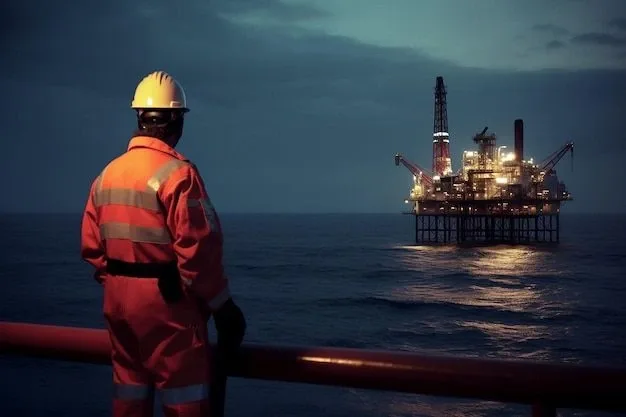
The exploration well is located in contractual area 38/3, in waters roughly 1,900 metres deep. Saipem is providing the drilling vessel for the campaign, which is expected to reach a total depth of about 4,500 metres below the seabed. Libya has not disclosed how long drilling will take or the specific geological structure under evaluation. The NOC said the operation will test for the presence of hydrocarbons in this deep offshore zone of the Gulf of Sirte.
Reserves, offshore strategy, and licensing activity
The deepwater campaign forms part of Libya’s effort to strengthen long-term production prospects and widen its exploration options. According to the U.S. Energy Information Administration, Libya holds Africa’s largest proven oil reserves, estimated at around 48 billion barrels, representing about 41% of the continent’s total. Historically, most of these reserves have been developed onshore, concentrated in the Sirte Basin in the northeast and the Murzuq Basin in the southwest.
Libya’s upstream sector has long prioritised onshore fields and shallow-water operations along the Gulf of Sirte. The NOC has now placed offshore exploration back on the agenda as it seeks to diversify the resource base and restart activity in underexplored areas. In 2025, the NOC said it intended to relaunch offshore exploration as part of a broader plan to expand reserves and support future output growth.
Libya has also stepped up licensing activity to attract international partners and rebuild its upstream investment pipeline. In April 2025, the NOC launched a licensing round covering 22 blocks across both onshore and offshore acreage, the first tender of its kind in almost 20 years, aimed at bringing new investment and technical capacity into a sector central to the country’s economic recovery.
Production targets and investment requirements
Libya’s production targets highlight the funding needed to lift capacity. In January 2025, the oil and gas minister said Libya needs between $3 billion and $4 billion to increase production capacity. The NOC reported average output of approximately 1.38 million barrels per day in October and has set a goal of lifting production to around 1.6 million barrels per day by the end of 2026.
If the deepwater well confirms commercial volumes, the Gulf of Sirte could open a new offshore exploration corridor beyond Libya’s traditional onshore strongholds, supporting reserve replacement and reinforcing longer-term production plans.
Read more about Libyan Oil HERE