Top Eight African Currencies in 2025
The Ghanaian Cedi has surged in its value as measured against the US Dollar this year, driven by a series of positive moves by the government as well as increasing prices of gold and increased exports of the yellow metal. Ghana has in fact emerged as Africa’s, and the global best-performing currency in 2025, with a
Top Eight African Currencies in 2025
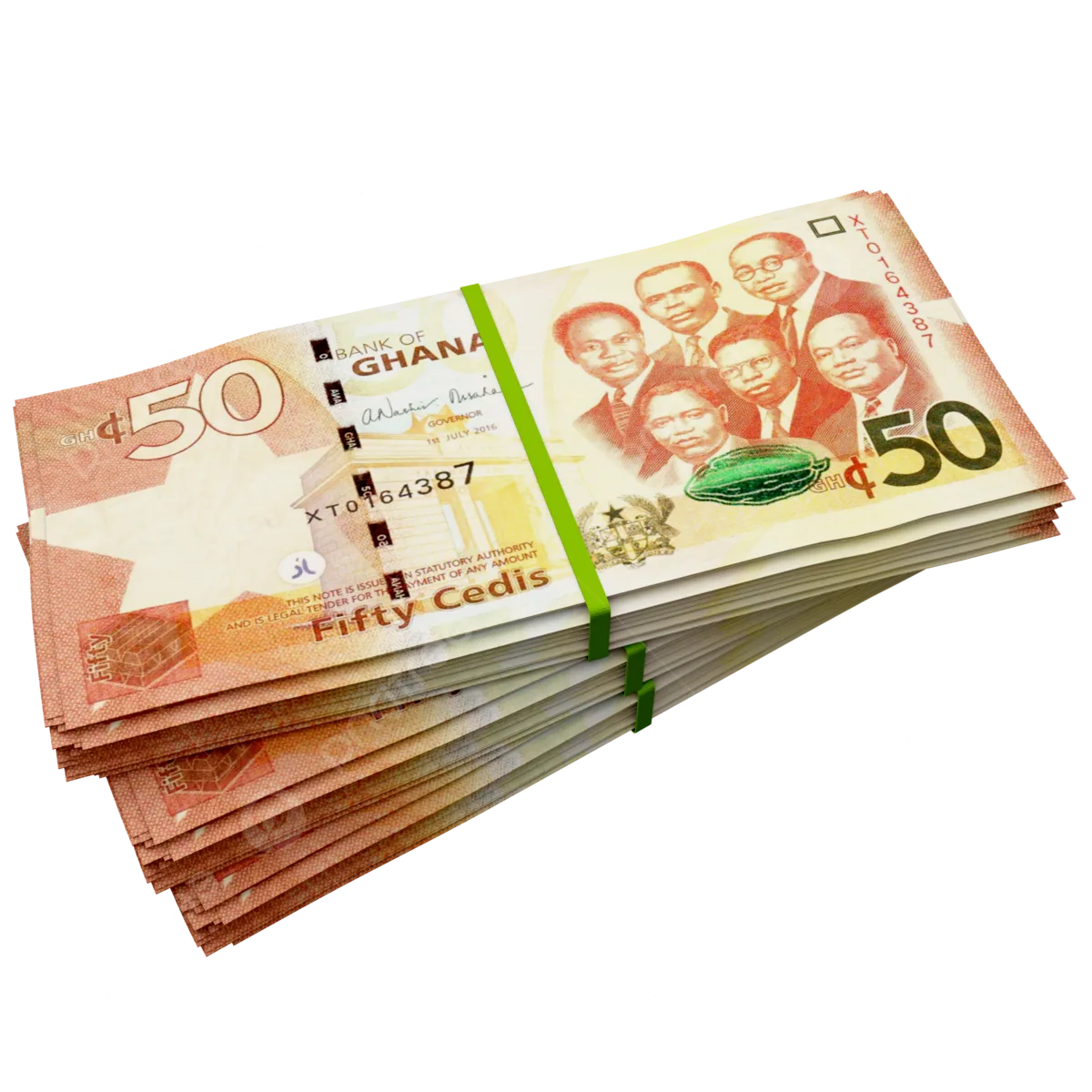
The Ghanaian Cedi has surged in its value as measured against the US Dollar this year, driven by a series of positive moves by the government as well as increasing prices of gold and increased exports of the yellow metal. Ghana has in fact emerged as Africa’s, and the global best-performing currency in 2025, with a reported 50% appreciation against the USD.
While the US dollar itself has been on a recent roller-coaster ride with tariff wars and world trade being reset, it is still the global trade currency and as such is the benchmark against which most currencies are measured.
Ghana’s currency performance in the midst of great economic upheavals is all the more remarkable and worth recognition of multiple actions taken by the current administration.
Here’s a Breakdown of the Appreciation:
- Exchange Rate Trend:
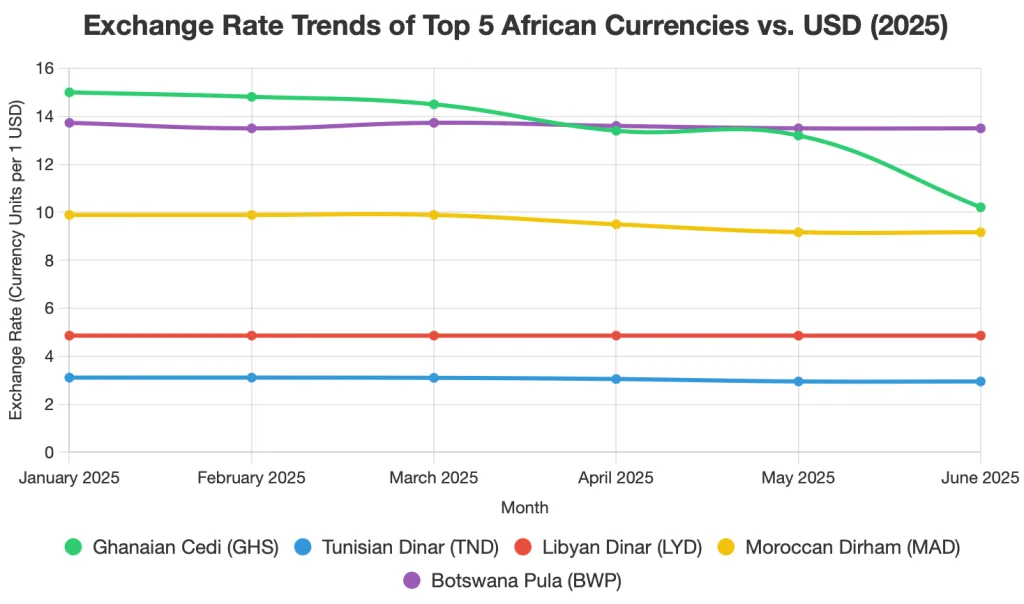
- January 2025: – ₵15 GHS = 1 USD
- April 2025: – ₵13.4 GHS = 1 USD (16% appreciation in April alone)
- June 2025: – ₵10.21 GHS = 1 USD (nearly 50% appreciation year-to-date)
- Key Drivers of Appreciation:
- Gold Export Boom: Gold prices surged from $2,000/oz in 2024 to $3,400/oz in May 2025, boosting Ghana’s export revenue from $7.6 billion (2023) to $11.6 billion (2024). Ghana’s policy mandating cedi-based gold purchases increased reserves from 9 tons (2023) to 31 tons (2025).
- Monetary Policy: The Bank of Ghana (BoG) raised interest rates by 100 basis points to 28% in March 2025, curbing inflation (down to 21.2% in April) and attracting foreign investment. Spot-market forex auctions improved dollar liquidity.
- IMF Support: A $3 billion IMF bailout, part of a three-year program, provided fiscal stability, with an additional $370 million tranche expected in June 2025.
- Fiscal Reforms: President Mahama’s administration suspended ₵65 billion in arrears payments and reduced Treasury bill yields from 28% to 15%, easing debt pressures.
- Trade Surplus: A $4.3 billion trade surplus in 2024, driven by gold, oil, and cocoa exports, strengthened foreign reserves to $11.4 billion by March 2025.
- Impact:
- Reduced import costs lowered inflation to an 8-month low of 21.2% in April 2025.
- Foreign debt burden shrank by ~₵150 billion due to the Cedi’s 42% gain, improving fiscal space.
- Investor confidence surged, although BoG Governor Johnson Asiama has warned against complacency, citing risks from utility price hikes and inflation above the 6–10% target.
- Global Ranking Confirmation: Bloomberg’s June currency data confirms the Cedi’s 50% gain outpaced all other currencies globally, a stark reversal from its 2022 status as the world’s worst-performing currency (losing 55%).
Top Eight African Currencies in 2025:
Given the Cedi’s global outperformance, it now ranks higher among African currencies. Below is a revised top 10 list, adjusting for June 2025 data:
- Ghanaian Cedi (GHS) Exchange Rate: 10.21 GHS = 1 USD (June 2025) – Trend: ~50% appreciation in 2025, world’s best performer. Contributing Factors: Gold exports, tight monetary policy, IMF bailout, and fiscal reforms.
- Tunisian Dinar (TND) Exchange Rate: 2.96 TND = 1 USD (June 2025) – Trend: Stable, marginal strengthening. Contributing Factors: Capital controls, European trade ties.
- Libyan Dinar (LYD) Exchange Rate: 5.46 LYD = 1 USD (June 2025) – Trend: Stable, no significant appreciation. Contributing Factors: Oil revenues, currency controls.
- Moroccan Dirham (MAD) Exchange Rate: 9.11 MAD = 1 USD (June 2025) – Trend: Appreciated from ~9.89 MAD. Contributing Factors: Pegged currency, FDI, and reforms.
- Botswana Pula (BWP) Exchange Rate: 13.37 BWP = 1 USD (June 2025) – Trend: Stable. Contributing Factors: Diamond exports, crawling peg.
- Seychellois Rupee (SCR) Exchange Rate: 14.46 SCR = 1 USD (June 2025) – Trend: Slight appreciation. Contributing Factors: Tourism recovery, fiscal prudence.
- South African Rand (ZAR) Exchange Rate: 17.88 ZAR = 1 USD (May 2025) – Trend: Moderate appreciation. Contributing Factors: Commodity exports, financial markets.
- Namibian Dollar (NAD) Exchange Rate: ~17.83 NAD = 1 USD (May 2025) – Trend: Slight appreciation, pegged to ZAR. Contributing Factors: Mining, tourism.
AFRICAN CURRENCY LOSERS IN 2025
The bottom 5 weakest African currencies over this period are: Sierra Leonean Leone, Zimbabwean Dollar, Nigerian Naira, Congolese Franc, and the Malawian Kwacha.
Critical Perspective on the Cedi’s Performance
While the Cedi’s 50% appreciation is remarkable, several caveats apply:
- Sustainability: The rally is heavily tied to gold prices and IMF support, both of which are vulnerable to global shifts. BoG’s caution against premature rate cuts reflects this risk.
- Export Competitiveness: A stronger Cedi may hurt non-commodity exports by making them costlier, as noted by BoG’s Governor Asiama.
- Inflation Risks: Despite falling to 21.2%, inflation remains above the 6–10% target, and utility price hikes could reverse gains.
- Historical Volatility: The Cedi’s 2022 collapse (losing 55%) highlights its susceptibility to external shocks, raising questions about long-term stability.
While currency fluctuations are common in Africa, good monetary policy and stability are key ingredients to building economies and ensuring positive investments. Investors love stability with countries with wildly ranging exchange rates often losing out on potentially game-changing investments.
Ghana’s position provides for further economic gain and employment creation as well as investments in key infrastructure and a positive lending landscape for further developments.