
Zambia’s Chisamba Solar Plant Signals a Positive Shift for SMMEs
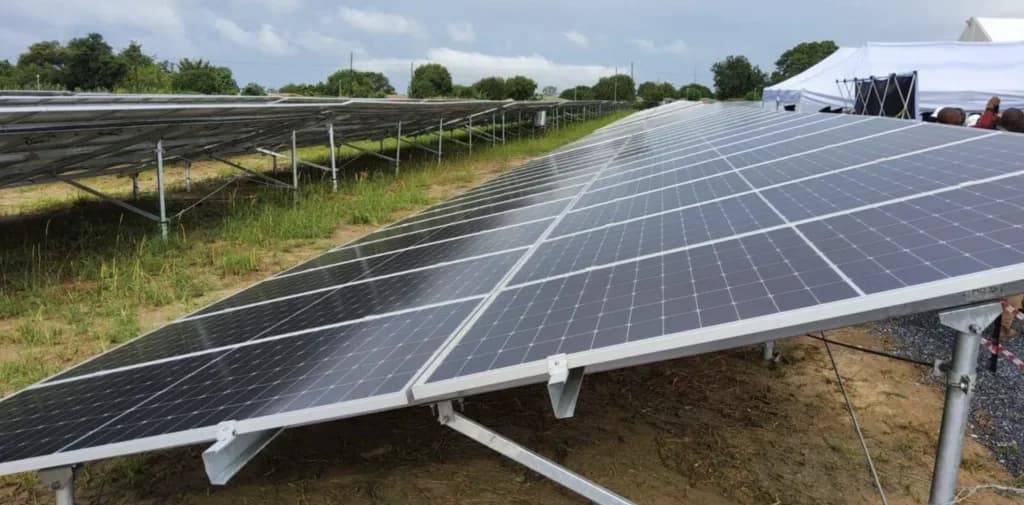
With the commissioning of the Chisamba Solar Plant, Zambia is powering a new era for small businesses and energy security. President Hakainde Hichilema officially inaugurated the 100-megawatt Chisamba Solar Project, which was constructed by PowerChina. While the plant’s primary output will serve energy-intensive industries like mining, its broader implications for the economy particularly for small,
Zambia’s Chisamba Solar Plant Signals a Positive Shift for SMMEs
With the commissioning of the Chisamba Solar Plant, Zambia is powering a new era for small businesses and energy security. President Hakainde Hichilema officially inaugurated the 100-megawatt Chisamba Solar Project, which was constructed by PowerChina. While the plant’s primary output will serve energy-intensive industries like mining, its broader implications for the economy particularly for small, medium, and micro enterprises (SMMEs) are equally significant and worth noting.
Tackling Energy Challenges Facing SMMEs
For years, electricity has posed a serious constraint on business growth across Zambia. Specifically, entrepreneurs and small businesses, especially those in peri-urban and rural areas, have contended with inconsistent power supply, frequent load-shedding, and costly generator usage. Consequently, these challenges have stiffened innovation, hindered expansion, and increased operating expenses. However, the addition of clean, grid-connected power not only helps to meet growing demand but also signals a much-needed shift toward national energy security.
Stabilizing the Grid for Broader Business Access
One of the most immediate advantages of the Chisamba project is its ability to stabilize Zambia’s national power grid. Although energy-intensive industries remain the main consumers, the presence of additional capacity now helps ease pressure on the overall energy system. As a result, Zambia is expected to reduce its reliance on electricity imports from neighboring countries like South Africa and Mozambique. This shift, in turn, creates room for more domestic power to reach underserved communities, commercial zones, and business clusters. For small business owners, this could eventually mean fewer operational disruptions and more predictable business hours.
Reducing Costs and Boosting Efficiency for Entrepreneurs
With this development, small businesses gain the possibility of extended power supply, which can translate into operational cost savings because Energy remains one of the largest expenses for SMMEs, especially those in manufacturing, retail, cold storage, digital services, and small-scale production. By reducing reliance on diesel generators and other costly power alternatives, entrepreneurs can lower their operational costs and save up to add value to their businesses.
Catalyzing Innovation in Renewable Energy
Furthermore, the Chisamba solar plant stands as a beacon for renewable energy innovation in Zambia. As the country accelerates its clean energy transition, fresh opportunities are emerging for entrepreneurs offering solar technologies, energy-efficient appliances, and technical services. Encouragingly, investor confidence in the solar sector is growing, paving the way for new businesses in panel installation, system maintenance, battery storage, and rural electrification projects across the value chain system.
Empowering the Entrepreneurial landscape
Most importantly, improved energy access fosters entrepreneurial empowerment. With more stable electricity, digital startups can confidently scale up their platforms, food processors can maintain reliable cold chains, and artisans can utilize modern machinery. This improved environment nurtures innovation, promotes value addition, and supports business diversification across sectors such as agriculture, ICT, retail, and light manufacturing.
Although the Chisamba solar plant primarily addresses industrial demand, its ripple effects stretch across the entire business ecosystem. It represents a vital step toward building a resilient and self-sufficient energy system one that lays the groundwork for small businesses to flourish. As Zambia moves forward on its path toward inclusive, green growth, reliable electricity will remain a key driver in unlocking the country’s full entrepreneurial potential.