Ugandan dairy startup gets backing to expand its processing business
Ugandan dairy company Mujuni Ventures has received backing from Oxano Capital as it looks to expand its processing business.
Ugandan Milk Pic
Ugandan dairy company Mujuni Ventures has received backing from Oxano Capital as it looks to expand its processing business.
The amount of the investment has not been disclosed.
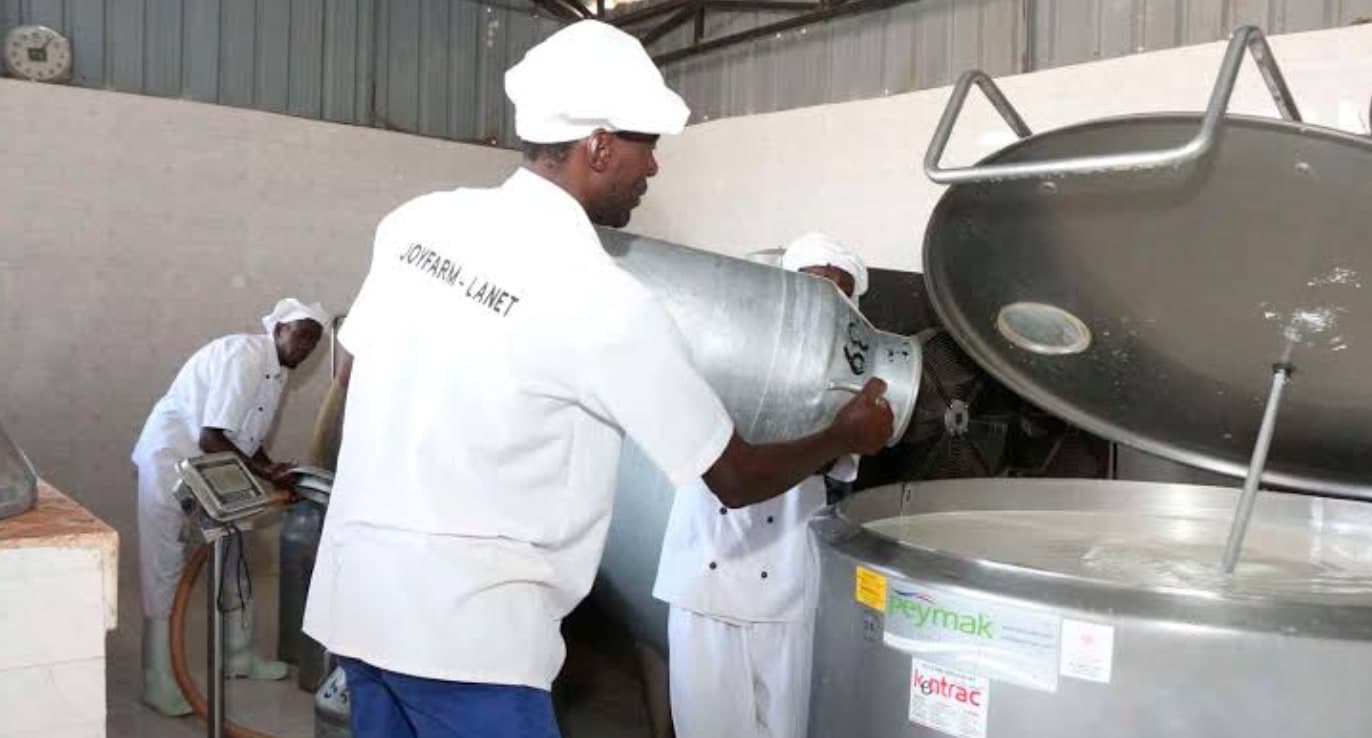
Mujuni buys milk from smallholder farmers and processes some of it into products including yoghurt, which it sells under its Too GooD Yogurt brand.
The company works with more than 2,500 farmers across 14 dairy groups and has been selling its products in Uganda as well as markets outside the country, including the Democratic Republic of Congo and Egypt.
AI-generated summary. It can miss nuance — read the full story above for the complete picture.
Ugandan dairy company Mujuni Ventures has received backing from Oxano Capital as it looks to expand its processing business. The amount of the investment has not been disclosed. Mujuni buys milk from smallholder farmers and processes some of it into products including yoghurt, which it sells under its Too GooD Yogurt brand. The company works with more than 2,500 farmers across 14 dairy groups and has been selling its products in Uganda as well as markets outside the country, including the Democratic Republic of Congo and Egypt. The new investment will go towards increasing its processing capacity, improving cold storage and expanding distribution.
Mujuni is moving further into processing
Mujuni did not start out as a yoghurt company. The business initially focused on collecting milk from farmers and supplying it to buyers. It has since taken on more of the work itself by processing milk into finished products. That means the company now has to deal with everything from getting milk from farmers to processing it, packaging it, keeping it cold and getting it to customers. Its Too GooD Yogurt range includes flavoured and fruit yoghurt. The more products Mujuni makes, the more milk it needs and the more capacity it needs at its processing facilities. That is where the new investment comes in.
“Mujuni now has to deal with everything from getting milk from farmers to processing it, packaging it, keeping it cold and getting it to customers.”
Keeping the milk cold is part of the cost
Milk cannot simply be collected and left until the company is ready to process it. It needs to be stored and transported under the right conditions. The same applies to the yoghurt once it has been produced. For Mujuni, expanding therefore means spending money on more than processing equipment. The company also needs cold storage and a distribution network that can move the products to customers without the stock going to waste. Oxano said its investment will help Mujuni improve its cold chain infrastructure alongside its processing and distribution operations.
The farmers are part of the growth
Mujuni's farmer network is an important part of the business. The company currently works with more than 2,500 smallholder farmers through 14 dairy groups. If Mujuni increases its processing capacity, it will need more milk to keep that capacity in use. For the farmers, having a processor buying their milk gives them a route into the formal market. But the relationship works both ways. Mujuni needs a reliable supply of milk, while the farmers need a buyer that can collect and pay for it.
The company also has to sell what it produces
Increasing production does not automatically mean more revenue. Mujuni still needs to get its yoghurt and other dairy products into shops and in front of consumers. That becomes more difficult when the company expands into new areas because dairy products need to be moved quickly and kept cold. Mujuni has already taken its products beyond Uganda, with the company listing the Democratic Republic of Congo and Egypt among its markets. The investment should give it more room to increase that distribution. For now, the focus is fairly straightforward: process more milk, improve the cold chain and get more products into the market. How much the business grows will come down to whether it can keep enough milk coming in and sell enough of the products going out.