
Two South African businesses that benefit from load shedding
South Africa's energy crisis has wrecked numerous enterprises, costing the nation billions of dollars each month. Nonetheless, a few businesses benefit from blackouts. South Africa had load shedding every day in 2023, with stage 4 and stage 6 power outages becoming widespread. Companies without alternate energy sources cease operations during load-shedding, reducing income and costing

Two South African businesses that benefit from load shedding

South Africa’s energy crisis has wrecked numerous enterprises, costing the nation billions of dollars each month. Nonetheless, a few businesses benefit from blackouts.
South Africa had load shedding every day in 2023, with stage 4 and stage 6 power outages becoming widespread.
Companies without alternate energy sources cease operations during load-shedding, reducing income and costing employment.
A tiny number of businesses, however, benefit from Eskom’s issues and inconsistent power supplies.
Businesses that sell, install, and service alternative energy products are seeing rapid growth and are failing to meet demand.
Restaurants and fast-food establishments have also witnessed a rise in income. When individuals are tired, they are unable to cook and choose simpler solutions.
That begs the issue of whether there are any investing possibilities on the JSE in firms that gain from load-shedding.
Experts recommended two firms to look into: Reunert and Spur.
Reunert
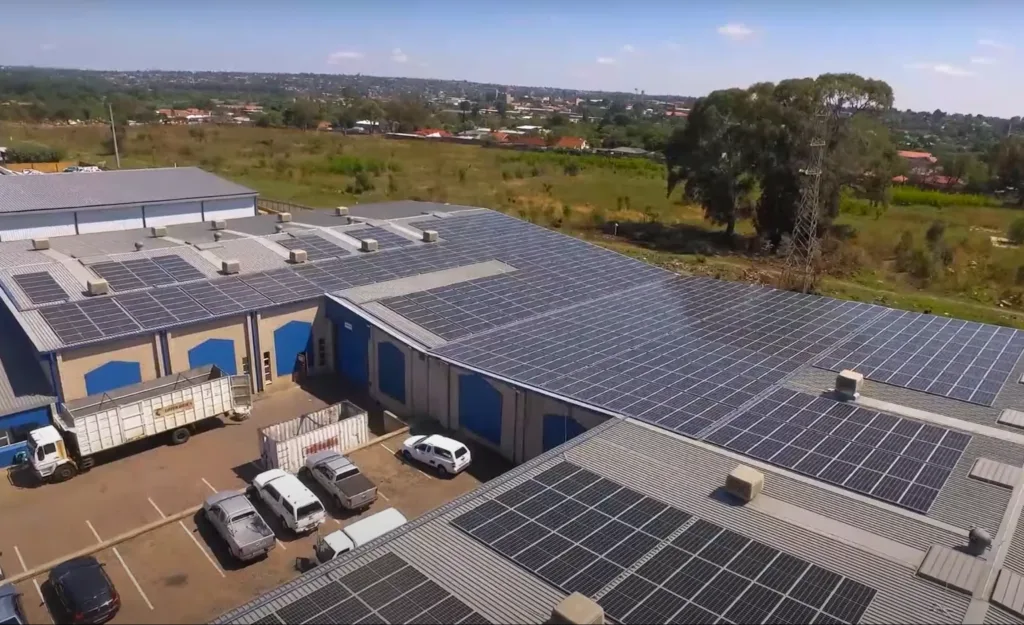
When cable firm Reunert discovered a market gap caused by load-shedding, it flipped its business model to position itself as a major renewable energy force in the market.
The company’s primary business has always been cabling, and it even supplies cable to Eskom.
According to Reunert CEO Alan Dickson, they recognised how load-shedding was raising interest and demand in the solar sector and sought to capitalise on this trend.
“This is a market that is going to continue to grow very strongly,” he said.
Reunert established a renewable energy division that offers solar-related services such as solar generating, renewable storage, energy control, and wheeling opportunities.
Reunert sells and installs solar panels, provides solar energy storage solutions, an energy control management system, and enables excess energy for its clients.
Dickson stated that the profit margins for the services vary significantly, allowing the organisation to be more resilient and maintain sustainable margins.
Renewable energy might also improve the cabling services provided by the organisation. More cables will be required as renewable energy grows in popularity and solutions for transporting surplus electricity over the grid become available.
Dickson stated that the country need long-term commitment to electricity infrastructure investment.
Reunert’s plan has paid off, with the company’s share price increasing by 22.53% in the last year.
Despite this increase, the company’s stock remains very inexpensive, with a price-to-earnings (P/E) ratio of less than 12.
Spur
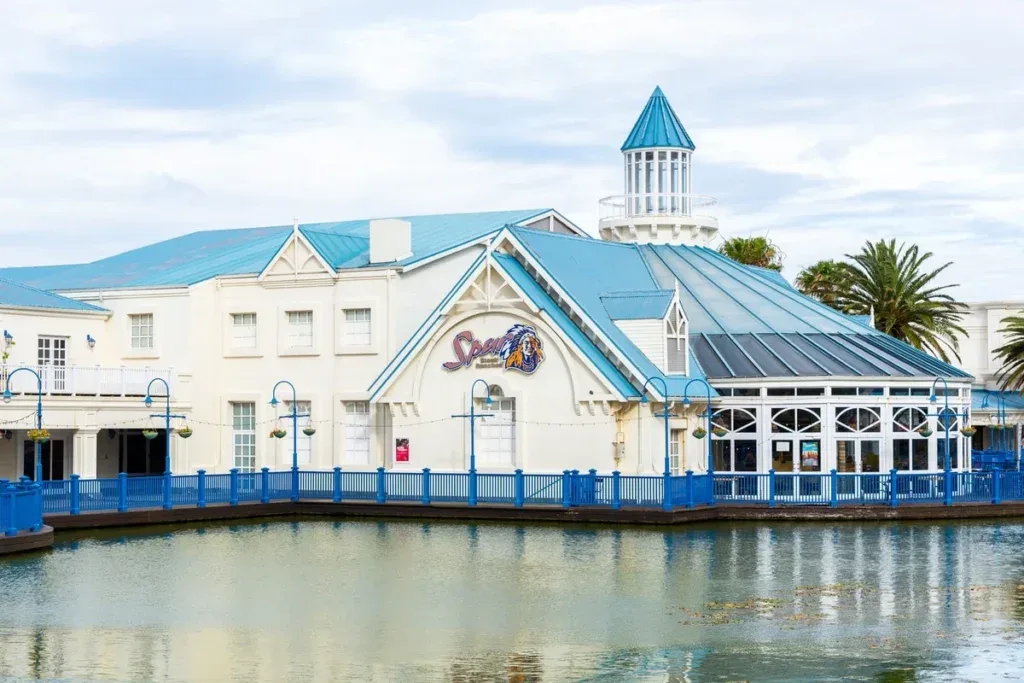
Spur, a restaurant franchise, has also benefited from the country’s energy issue, in part because it invested extensively in generators for almost 90% of its locations.
While this investment raised operational expenses and reduced profit margins, it mostly benefited Spur since its restaurants could draw customers during load-shedding.
Chantal Marx stated on Moneyweb Today with Simon Brown, FNB’s head of investment, that Spur is a different business than it was ten years ago.
According to Marx, Spur’s most recent interim results showed an 183% rise in earnings after tax, which may be attributable entirely to increasing demand for restaurants and fast food during load-shedding.
She believes the firm has demonstrated long-term, above-average growth, making it an appealing option for value investors seeking cheap equities to keep for the long term.
The corporation continues to trade at low multiples. Spur had a price-to-earnings (P/E) ratio of less than 12 at the time of writing.