Tobacco sales in Malawi increase by 55% increase this season
The tobacco regulators in Malawi have revealed an increase of 55% in the sale of the product amounting to $282 million compared to $182 million last year. Even though they are experiencing this increase, this year’s sales are still lower compared to previous years when they hit over $350 million. The Southern African country lacked
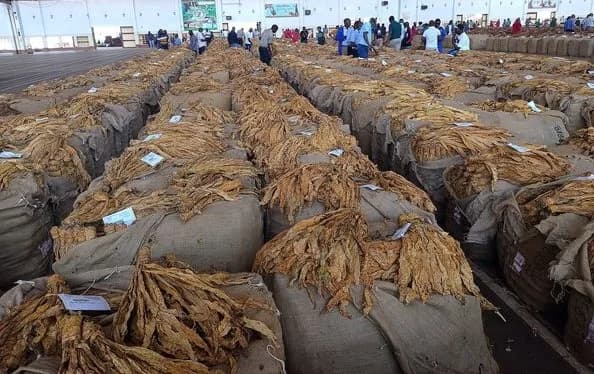
Tobacco-sales-in-Zimbabwe hits a record high with a double digit increase-this-season
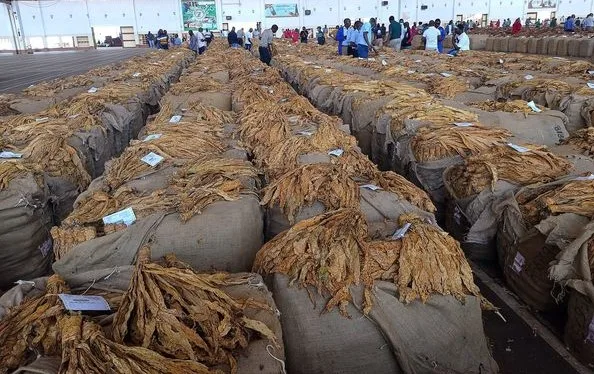
The tobacco regulators in Malawi have revealed an increase of 55% in the sale of the product amounting to $282 million compared to $182 million last year.
Even though they are experiencing this increase, this year’s sales are still lower compared to previous years when they hit over $350 million.
The Southern African country lacked enough dollar reserves in order to import various agricultural inputs like fertilizers and even fuel, therefore the production was lower last year.
The Spokesperson for Malawi’s Tobacco Commission, mentioned that this year’s production which is more than $121 million has been improved by the good weather.
The country is currently one of the lowest income countries but a major tobacco producer, ranking first in the world for burley and seventh for overall production. No other economy is more dependent on the leaf. Statistics by the company show that over 70 percent of the nation’s export income comes from tobacco.
Returns from tobacco, dubbed the ‘Malawi’s Green Gold’, have dwindled over the past decade due to declining global demands driven by anti-smoking campaigns.