This is where the rand may be heading in 2023
Investec believes that, barring any black swan occurrences or other market shocks, the rand has the potential to gain further in 2023 and enter a period of relative stability. Investec chief economist Annabel Bishop outlined out the banking group's baseline, upside, and negative scenarios for South Africa during 2023/24, including rand estimates, in a paper
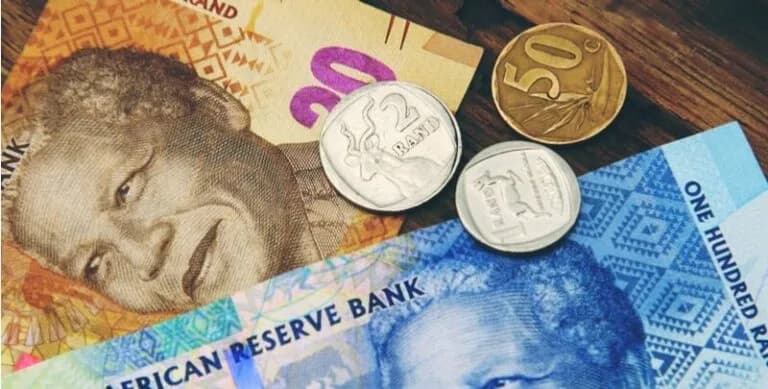
This is where the rand may be heading in 2023
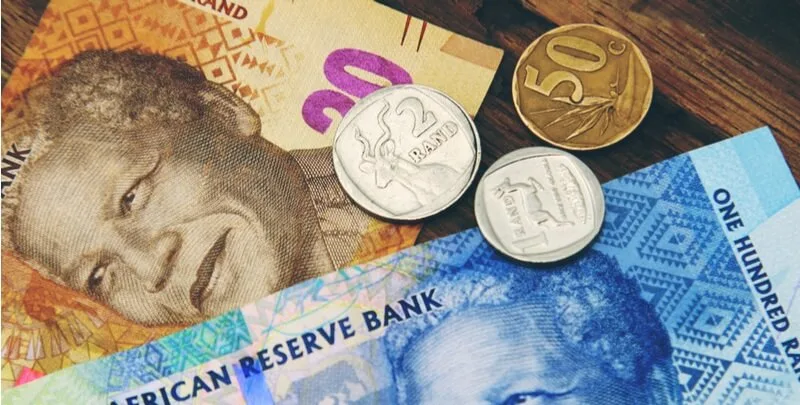
Investec believes that, barring any black swan occurrences or other market shocks, the rand has the potential to gain further in 2023 and enter a period of relative stability.
Investec chief economist Annabel Bishop outlined out the banking group’s baseline, upside, and negative scenarios for South Africa during 2023/24, including rand estimates, in a paper issued this week.
The group’s baseline (most likely) forecast for the nation predicts moderate rand stability with the possibility for further strength throughout the year.
However, the bank’s probability are weighted in favour of the negative from the best case to the worst case scenario, indicating that there is more opportunity for things to go wrong in the country than right.
The rand
Over the recent week, the rand rose versus major currencies, aiming to consolidate below the R17.00 to the dollar line. While the currency is now trading above that level – at R17.05 to the dollar before midday on Tuesday (17 January) – Investec’s baseline trajectory for the rand indicates that it will average less than that level in each quarter this year.
According to Bishop, GDP numbers from large economies such as the United Kingdom are lowering recession worries, which favours risk-on mentality and pushes appreciation in emerging market currencies.
However, the bank’s probability are weighted in favour of the negative from the best case to the worst case scenario, indicating that there is more opportunity for things to go wrong in the country than right.
“Germany’s statistical agency also highlighted at the end of last week that the Eurozone’s largest economy likely avoided a recession,” Bishop said; she added that the International Monetary Fund also sounds more positive about global growth.
According to the IMF, the United States can yet escape entering a recession due to “remarkable” economic resiliency.
“Echoing (Investec’s) view, the IMF now believes that the trajectory of slowing global growth to reverse in the second half of 2023, possibly towards the end of 2023, and then to see in 2024 higher growth than we had in 2023,” Bishop said.
Meanwhile, all eyes will be on China, which has signalled a reopening of its economy and may become a net contributor to global GDP growth by the middle of the year, she said.
Despite the improved forecast, Boship highlighted that the IMF continues to warn that 2023 would be difficult, particularly as central banks confront difficult decisions about how much further to compress their economies in the face of stubbornly rising inflation.
“Sentiment in global financial markets will remain focused on US economic data, particularly the pace at which inflationary pressures slow, and the strength of the jobs markets, the consumer and businesses,” she said.
“Expectations for a soft landing for the US economy have broadened, as economic data holds up, which has allowed the US dollar to retreat, and the euro to return to parity, then exceed it with the greenback.”
The economist predicted that the US currency would drop more this year when terminal interest rates are reached and inflation falls faster than forecast.
What does this imply for South Africa?
Under these conditions, the rand has the potential to gain ground versus global currencies; nevertheless, Bishop cautioned that several local risk concerns remain in play.
Most significantly, load shedding and the ongoing power crisis will put the local economy under strain, while “a worsening in rail and port capacity is a further risk for SA and so the rand this year”.
South Africa must also deal with high unemployment, weak economic development, populist government policies, and the threat of greylisting by the Financial Action Task Force. All of these elements will influence the country’s chances for the coming year.
Investec identified five main possibilities for South Africa in 2023, with the baseline scenario having a 48% chance of occuring.
Extreme upside
- Probability: 1%
- Rand movement: Strong first quarter, averaging R16.40, moving to R15.50 by Q2, R14.50 by Q3 and R14.00 by Q4.
- Conditions:
- Strong economic growth (3% to 5% in 2023 then 5% to 7% in 2024)
- Good governance with growth-creating reforms
- Strong property rights, no nationalisation or land expropriation without compensation
- High business confidence and investment growth
- Fiscal consolidation drives debt to low ratios
- Subdued inflation
- Favourable weather conditions
- No greylisting
- Quick transition to renewable energy from fossil fuels
Upside
- Probability: 4%
- Rand movement: Strong first quarter, averaging R16.60, moving to R15.90 by Q2, R15.50 by Q3 and R15.00 by Q4.
- Conditions:
- Economic growth averages 3.3% over five years, lifting to 5.0% by period end
- Rising confidence and investment levels
- Structural constraints eroded
- Global growth strong
- Risk-on markets
- Strong property rights, no nationalisation or land expropriation without compensation
- Low domestic inflation
- Favourable weather
- Increased privatisation
- Credit rating upgrades
- Substantial transition to renewable energy from fossil fuels
- No greylisting
Baseline
- Probability: 48%
- Rand movement: First quarter averaging R16.90, moving to R16.45 by Q2, R16.20 by Q3 and back up to R16.40 by Q4.
- Conditions:
- Modest economic growth of 1.9% average over five years, lifting to 3.0% by end period
- Neutral to positive risk sentiment in global markets
- Fiscal consolidation in South Africa leading to positive sentiment
- Likely credit rating upgrades
- Stable rand, which strengthens
- Inflation impacted by weather patterns – via food price inflation
- Slow move away from fossil fuels
- Russia/Ukraine conflict eases and does not exacerbate
- Little expropriation without compensation
- Temporary greylisting
Lite downside
- Probability: 36%
- Rand movement: Weak first quarter, averaging R18.30, moving to R18.50 by Q2, R18.00 by Q3 and R18.20 by Q4.
- Conditions:
- Weak GDP growth of 0.9% average over five years
- Swing toward left-leaning policies
- Depressed business confidence
- Substantial load shedding and water shedding
- Very weak rail capacity
- Civil and political unrest
- Little investment growth
- Recession
- Risk of credit rating downgrades
- Some expropriation of private sector property without compensation
- High inflation
- Unfavourable weather conditions
- Marked rand weakness
- Little transition to renewables away from fossil fuels
- Greylisted
Severe downside
- Probability: 11%
- Rand movement: Weak first quarter, averaging R18.70, moving to R19.30 by Q2, R19.50 by Q3 and R19.70 by Q4.
- Conditions:
- Lengthy global recession and global financial crisis
- ANC/EFF coalition in 2024
- Widespread, severe load shedding
- Severe political and civil unrest
- Increased government borrowing from wide sources
- Credit rating downgrades, increased risk of default
- Failure to transition to renewables from fossil fuels
- Very high inflation
- Very adverse weather conditions
- Severe rand weakeness
- Expropriation of private property without compensation
- Greylisted