The best inverters for overcoming load shedding
South Africans seeking for a reliable home backup power system should exercise extreme caution when selecting an inverter. While batteries and solar panels are more adaptable to future updates, inverters might encounter major compatibility issues that may need replacing them entirely when updating. Batteries and solar panels are significantly less complicated than inverters in terms
The best inverters for overcoming load shedding
South Africans seeking for a reliable home backup power system should exercise extreme caution when selecting an inverter.
While batteries and solar panels are more adaptable to future updates, inverters might encounter major compatibility issues that may need replacing them entirely when updating.
Batteries and solar panels are significantly less complicated than inverters in terms of technology.
The principal function of an inverter is to transform direct current (DC) power generated by sunlight or stored in batteries into alternating current (AC), which is usable electricity.
High-quality inverters include a variety of control circuits, switches, and transformers to guarantee that the process is handled securely and effectively, and that the power sent to your appliances is not harmful.
To determine which inverter to purchase, evaluate the sort of backup system you require.
Most South African families are choosing for a mix of photovoltaic solar and battery backup to generate and store cheap power for usage during load-shedding.
Solar power systems are classified into three types:
- Grid-tied — Solar power and grid run in parallel, with solar being consumed first. Most affordable inverters that support this cannot feed electricity back into the grid, while some also require a live grid connection to function.
- Off-grid — Designed for running without grid power but can also be connected to the grid. As long as solar or batteries have enough capacity, they will provide power. Inverter will switch over to grid if capacity becomes insufficient. Electricity cannot be fed back into the grid.
- Hybrid — Can be either grid-tied or off-grid, but always uses an inverter that can use a mix of solar and grid electricity, as required.
Power trolley inverters are an example of fully off-grid inverters.
These are the least expensive yet have a more limited use than hybrid off-grid or hybrid on-grid inverters.
They may lack safety and voltage control capabilities, in addition to being unable to supply electricity back into the grid.
As a result, they are often regarded solely for connecting to a few appliances rather than through a distribution board.
Off-grid vs. on-grid hybrid
Off-grid hybrid inverters can only offer solar or stored battery power if they can handle the whole demand at the same time.
If they are unable to do so, all energy supplied to the residence will come from the grid.
That means you’ll have to rely solely on the grid during peak consumption hours when your home’s demand may surpass the capacity of your inverter, solar capacity, or battery.
Because hybrid off-grid inverters are unable to supply electricity back into the grid, you will not be able to profit from a future feed-in tariff.
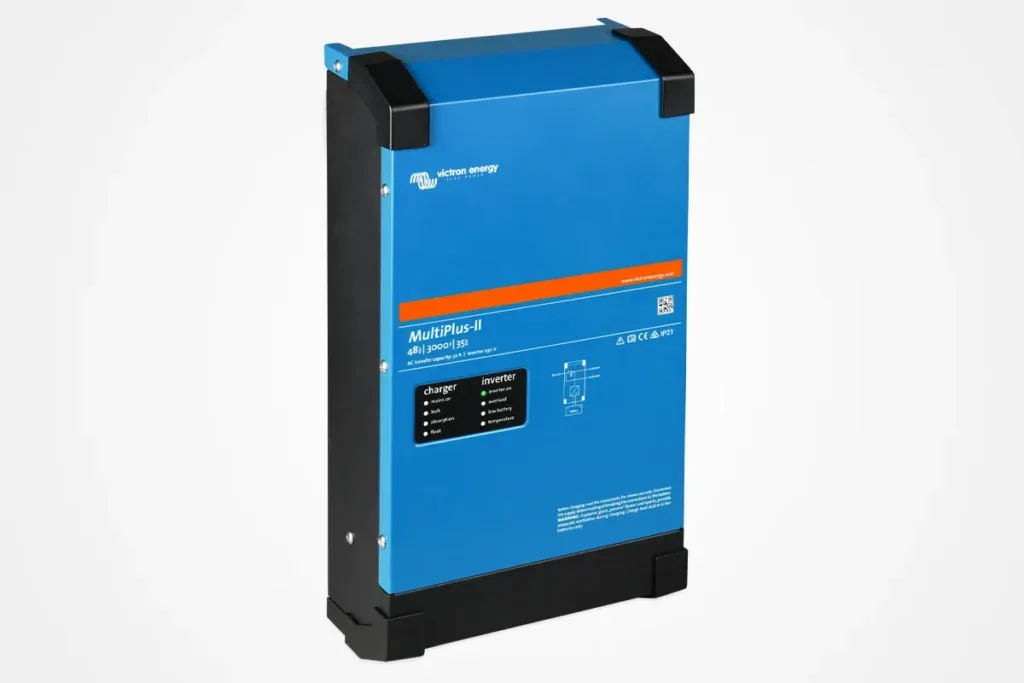
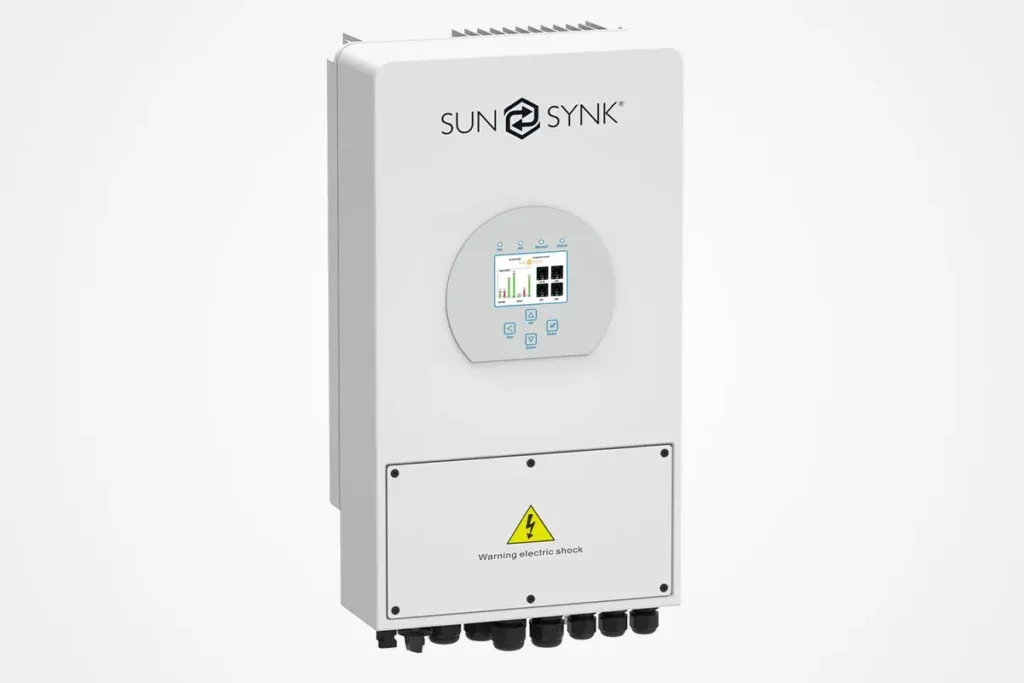
An on-grid hybrid inverter, such as those made by Deye, Sunsynk, and Victron, may use both solar and grid electricity at the same time.
This procedure, known as blending, ensures that all available resources are used.
Inverters of the same kind may often be stacked to offer a larger overall output.
Two Sunsynk 5kW hybrid inverters, for example, may be coupled to produce 10kW.
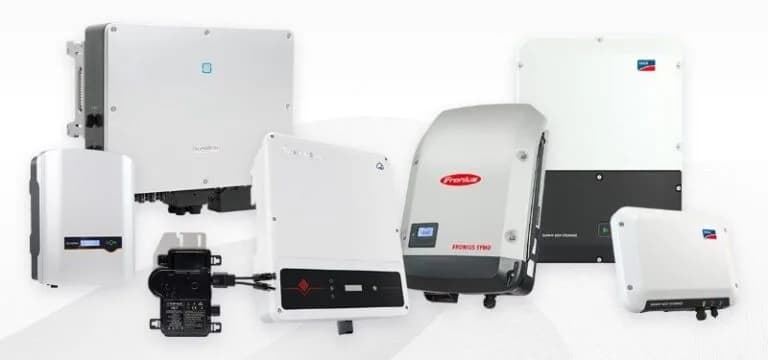
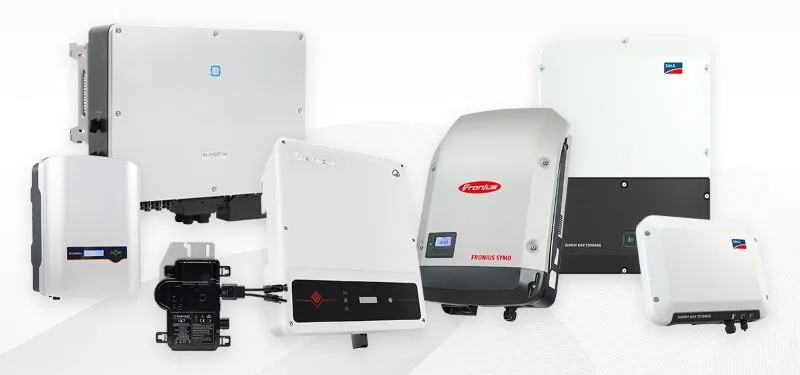
When we question respected solar installers about the most dependable inverter manufacturers, six names frequently come up.
Axpert, Deye, Growatt, LuxPower, SunSynk, and Victron are among them.
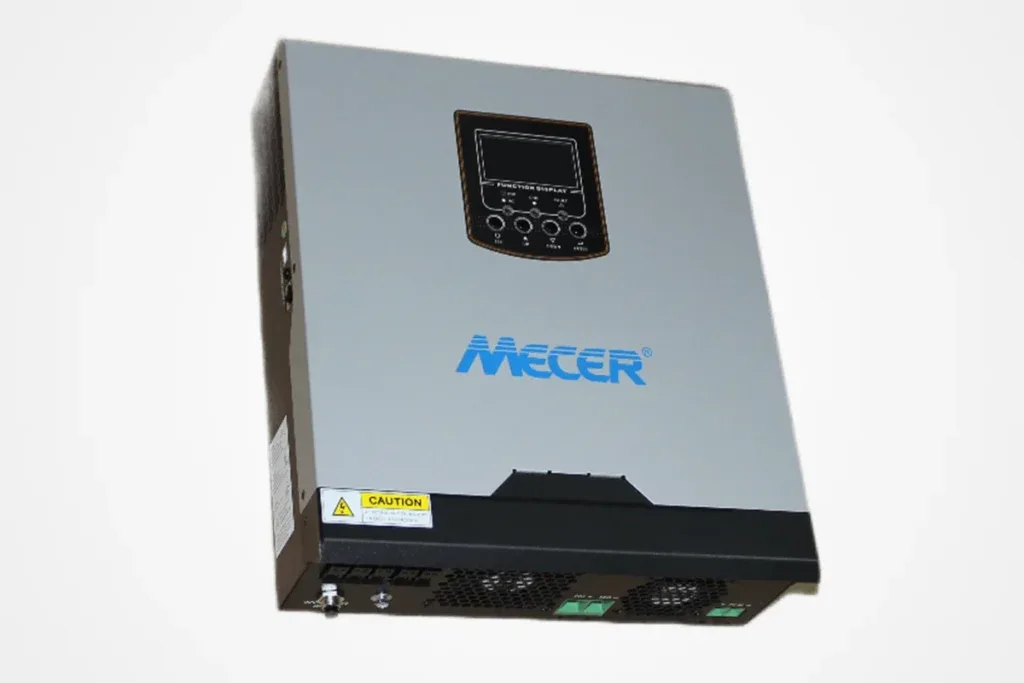
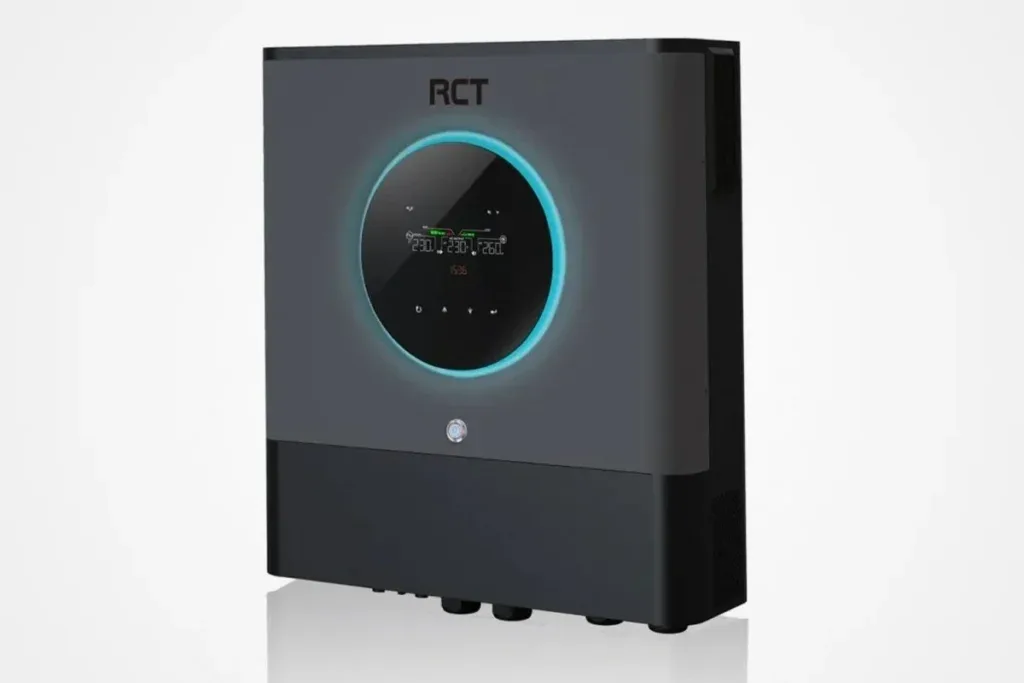
Axpert inverters are rebadged by several companies, including Kodak, Magneto, Mecer, and RTC.
While their software, warranties, and customer support agreements may differ, they are built with the same materials.
The same can be true about Deye and SunSynk, both of which are manufactured by Deye.
Off-grid hybrid inverters include the Axpert, Growatt, and LuxPower types, while on-grid hybrid inverters include the Deye, SunSynk, and Victron.
How prices compare
We examined the pricing of these six brands’ inverters to find which was the lowest per kW of capacity.
We concentrated on the three most popular capacities for entry-level solar inverters: 3kW, 5kW, and 8kW.
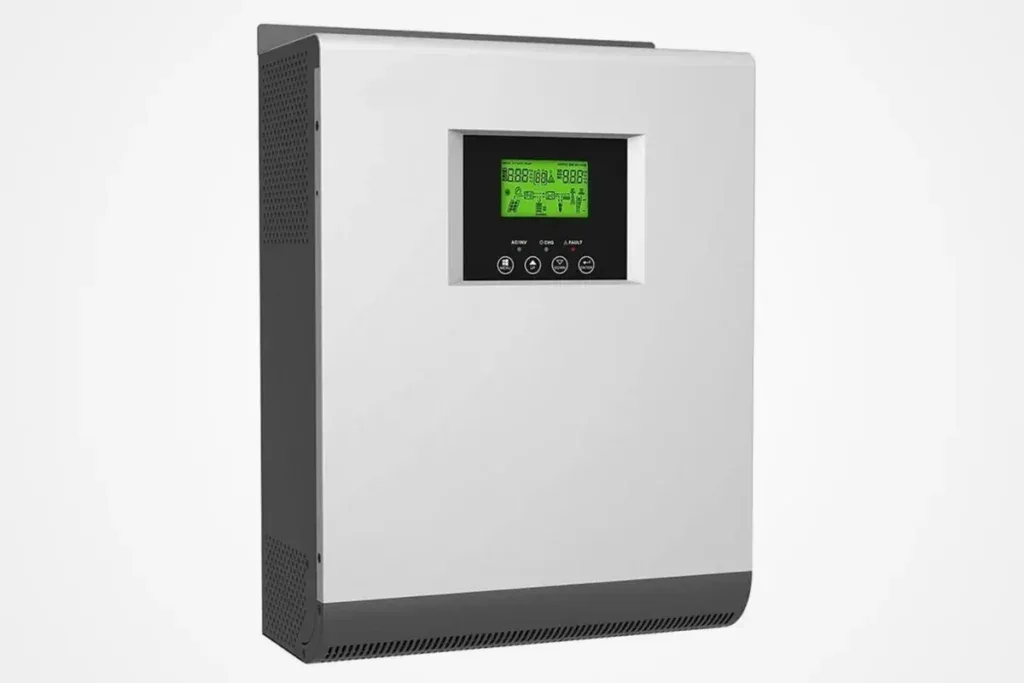
We discovered that the rebranded Axpert inverters were the most economical of the hybrid off-grid inverters, with Mecer’s being the most affordable for 5kW and 8kW variants.
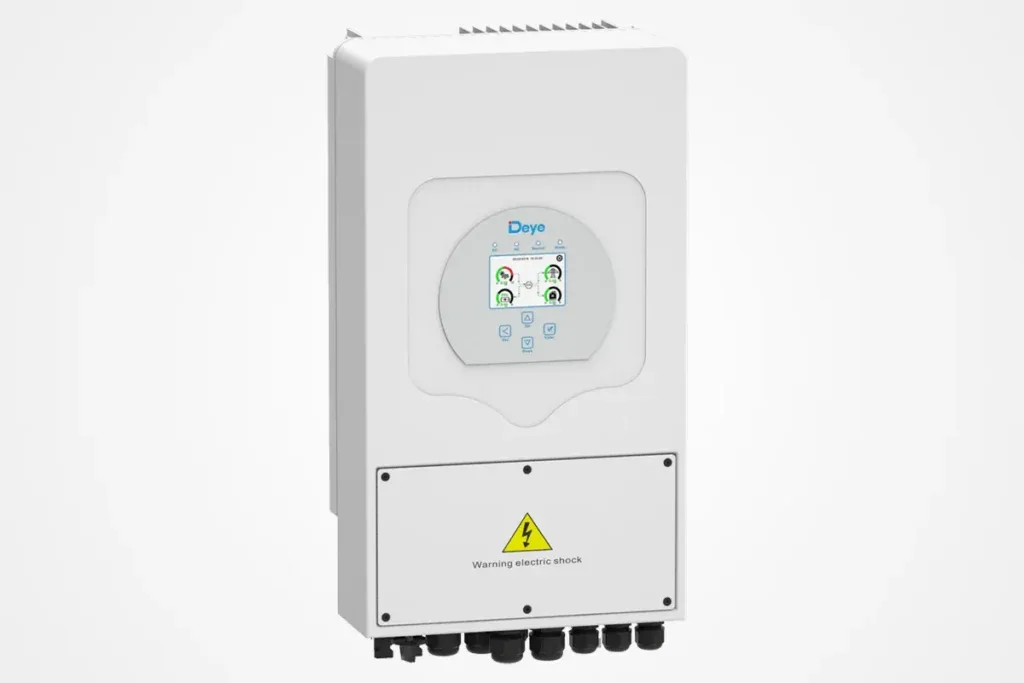
Deye was the most affordable alternative for hybrid on-grid systems with capacities of 3kW, 5kW, and 8kW.
The costs of respected hybrid off-grid and hybrid on-grid inverters in South Africa are compared in the tables below.
Prices were taken from well-known online stores dealing in energy equipment, including GeeWiz and Solarway Suppliers.
| Hybrid off-grid inverters | |||
| Inverter | Maximum output | Price | Price per kW |
| Geewiz Axpert 24V | 3kW | R6,495 | R2,165 |
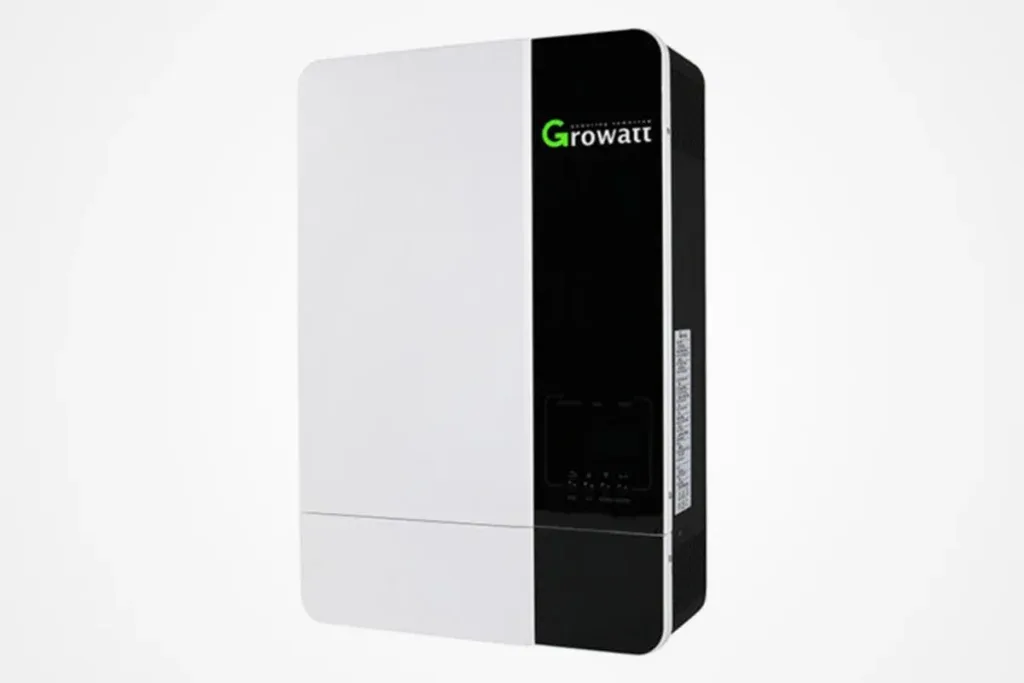
| Growatt 3kW 24V | 3kW | R7,299 | R2,433 |
| Mecer Axpert 3kW 24V | 3kW | R7,495 | R2,498 |
| RCT Axpert 3kW | 3kW | R7,859 | R2,620 |
| Mecer Axpert 5kW 48V | 5kW | R10,348 | R2,070 |
| Growatt 5kW 48V | 5kW | R12,899 | R2,580 |
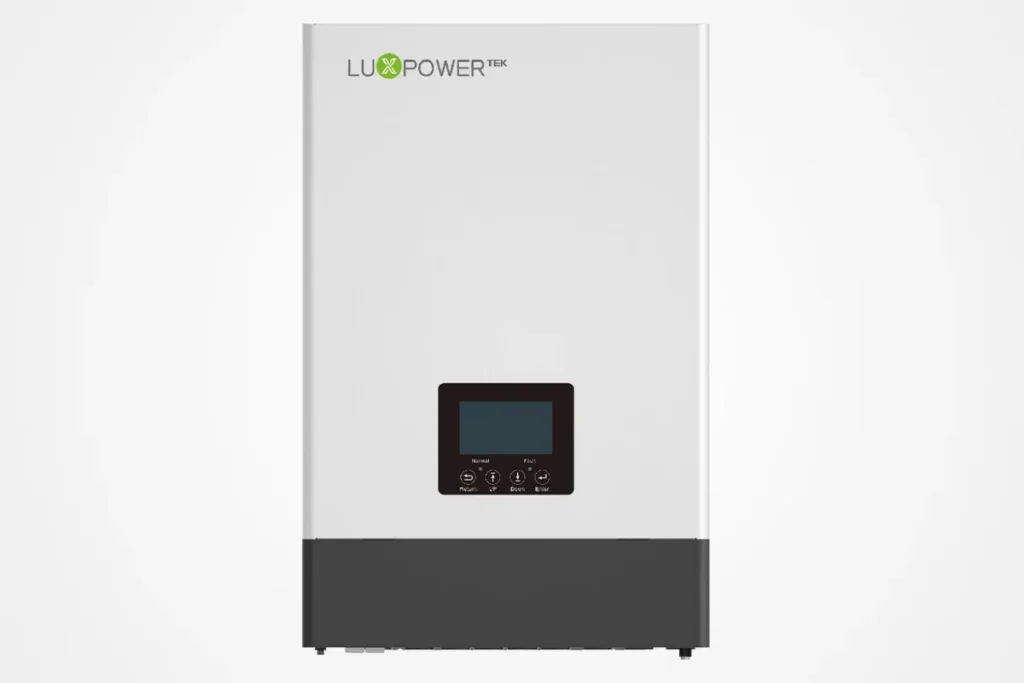
| Luxpower 5kW 48V | 5kW | R14,995 | R2,999 |
| Mecer Axpert 5.6kW 48V | 5kW | R14,995 | R2,999 |
| Mecer Axpert 8kW 48V | 8kW | R21,125 | R2,641 |
| RCT Axpert 8kW 48V | 8kW | R25,731 | R3,216 |
| Hybrid on-grid inverters | |||
| Inverter | Maximum output | Price | Price per kW |
| Deye 3.6kW 48V | 3.6kW | R15,999 | R4,444 |
| Victron Energy 3kW 24V | 3kW | R16,930 | R5,643 |
| Victron Energy 3kW 48V | 3kW | R17,894 | R5,964 |
| Sunsynk 3.6kW 48V | 3.6kW | R21,895 | R6,081 |
| Deye 5kW 48V | 5kW | R24,899 | R4,980 |
| Victron Energy 5kW 48V | 5kW | R27,193 | R5,439 |
| Sunsynk 5kW 48V | 5kW | R27,995 | R5,599 |
| Deye 8kW 48V | 8kW | R39,500 | R4,938 |
| Sunsynk 8kW 48V | 8kW | R40,825 | R5,103 |
| Victron Energy 8kW 48V | 8kW | R48,516 | R6,065 |
Deye — From R15,999
Geewiz Axpert — From R6,495
Growatt — From R7,299
Luxpower — From R14,995
Mecer Axpert — From R7,495
RCT Axpert — From R7,859
Sunsynk — From R21,895
Victron Energy — From R16,930