Tanzania Launches $11,000 Grant Fund for Women and Youth SMEs
Financial Sector Deepening Tanzania (FSDT), with support from the European Union, has launched a new grant fund offering women- and youth-owned businesses in Tanzania up to US$11,000 in non-repayable funding.

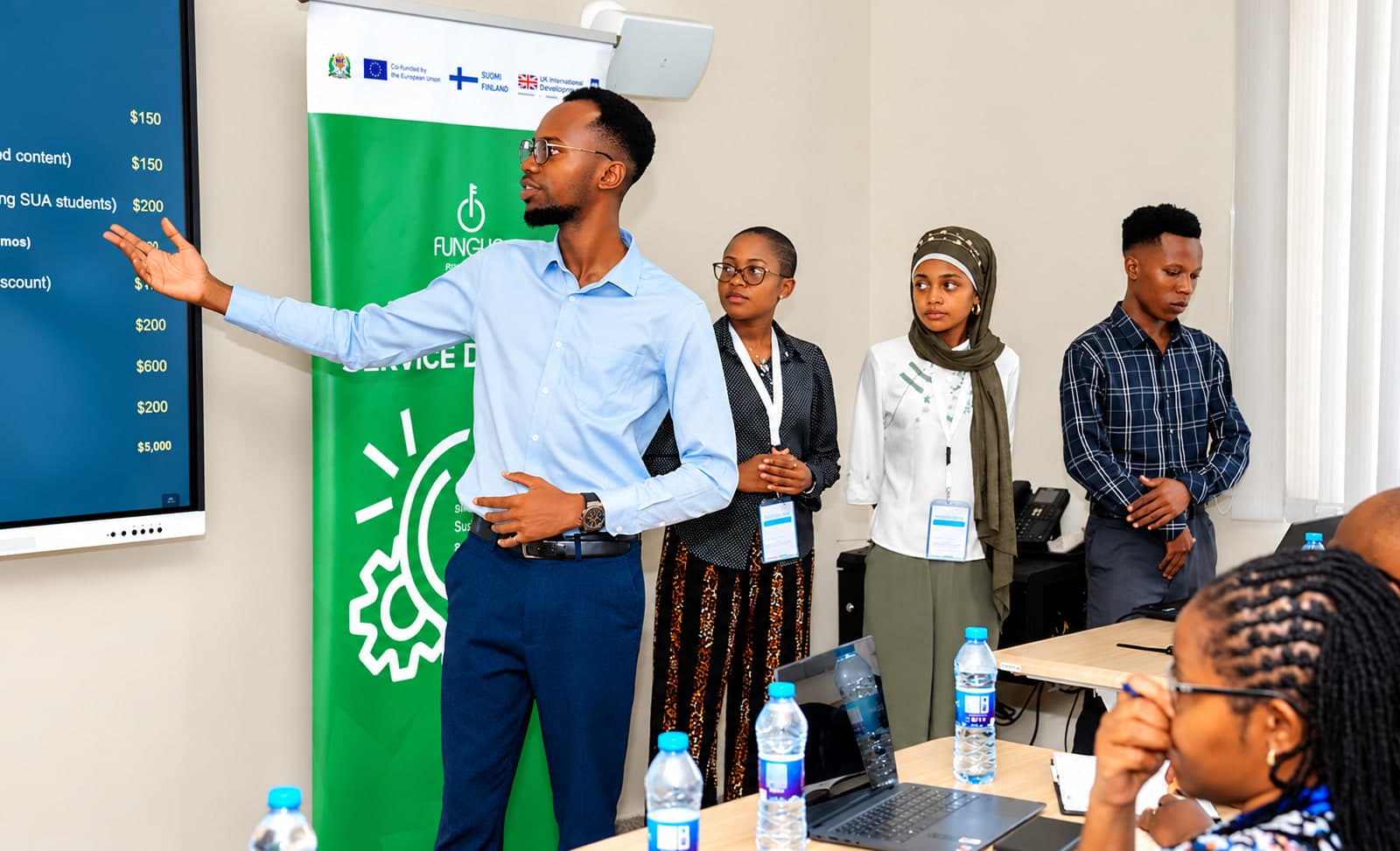
Tanzanian Youths
Financial Sector Deepening Tanzania (FSDT), with support from the European Union, has launched a new grant fund offering women- and youth-owned businesses in Tanzania up to US$11,000 in non-repayable funding. The MSME Impact Grant Fund (IGF) will provide grants of up to TZS30 million to eligible micro, small and medium enterprises in mainland Tanzania and Zanzibar. KPMG Advisory Limited has been appointed to manage the fund.
The IGF forms part of the European Union’s Inclusive Finance for Growth of Women and Youth MSMEs programme, which aims to improve access to finance and support the growth of businesses led by women and young entrepreneurs. FSDT CEO Eric Massinda said the fund combines grant financing with business support to help participating businesses strengthen their operations and grow.
“The Impact Grant Fund combines catalytic grant financing with targeted business development support to help enterprises grow, create jobs and strengthen their economic impact in their respective regions,” Massinda said.
Grants Combined With Business Support
The programme will provide more than capital. Businesses selected for the fund will also receive support to improve their operations, build resilience, expand their activities and prepare for future financing.
Applications for the first funding cycle are now open in both English and Swahili.
The initial funding round will focus on 10 mainland regions: Morogoro, Manyara, Shinyanga, Rukwa, Kagera, Simiyu, Kigoma, Lindi, Mtwara and Singida. Five areas in Zanzibar are also included.
The geographic focus gives the programme a broad reach across Tanzania, with funding directed towards businesses operating in sectors linked to agriculture, sustainability, energy and technology.
Focus on Climate and Digital Businesses
Priority areas include climate-smart agriculture and agroforestry, sustainable fisheries and aquaculture, renewable energy, circular economy and waste management. The fund will also consider businesses involved in biodiversity restoration, sustainable food cold chains and digital solutions that support climate mitigation and adaptation. The sector focus reflects the programme’s emphasis on businesses that can generate economic activity while addressing environmental and climate-related challenges.
Marc Stalmans, head of cooperation at the EU Delegation to Tanzania and the East African Community, said the European Union wants to expand opportunities for women and young entrepreneurs.
“Through the Impact Grant Fund, we are investing in enterprises with the potential to grow, create jobs, strengthen local economies and contribute to a more inclusive and sustainable private sector,” Stalmans said.
For participating businesses, the combination of non-repayable funding and business development support is intended to address two challenges at the same time: access to capital and the capacity needed to use that capital effectively.
FSDT works with stakeholders across Tanzania’s financial sector to improve access to financial services for underserved individuals, families and businesses. The organisation also supports initiatives aimed at developing financial markets and encouraging new approaches to financial inclusion.