Starlink is being tested as backhaul for a rural Nigerian mobile site
NuRAN Wireless is testing Starlink at a rural mobile site in Nigeria to see if satellite can solve a problem that operators face after a tower has been built
Starlink
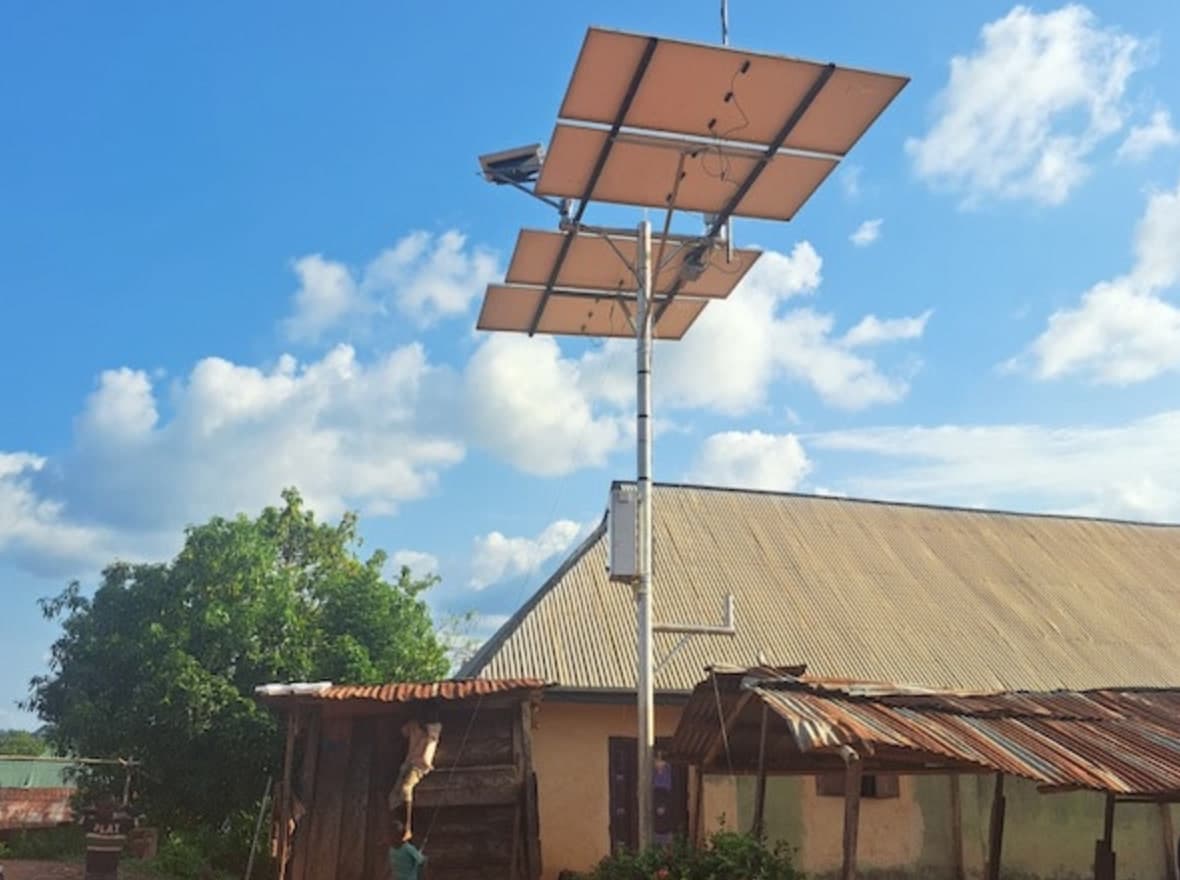
NuRAN Wireless is testing Starlink at a rural mobile site in Nigeria to see if satellite can solve a problem that operators face after a tower has been built: how to connect it to the rest of the network. The Canadian telecom infrastructure company is working with Infratel on the trial, using Starlink's low-Earth-orbit satellite service for backhaul.
AI-generated summary. It can miss nuance — read the full story above for the complete picture.
NuRAN Wireless is testing Starlink at a rural mobile site in Nigeria to see if satellite can solve a problem that operators face after a tower has been built: how to connect it to the rest of the network. The Canadian telecom infrastructure company is working with Infratel on the trial, using Starlink's low-Earth-orbit satellite service for backhaul.
Backhaul carries traffic from a mobile site into the operator's wider network. Fibre is commonly used where it is available, but extending fibre to an isolated tower can be expensive. The alternative is not always straightforward either. Microwave links depend on distance, terrain and suitable sites between the tower and the rest of the network. Satellite removes much of that physical infrastructure.
The cost of the connection matters
“A remote tower may serve a relatively small number of people, but the operator still has to pay to connect it to the network.”
A remote tower may serve a relatively small number of people. That creates a problem for operators. They still have to pay for the tower, power, maintenance and the connection back to the network, even when the site generates less traffic than an urban site. This is where the Starlink test comes in. If satellite backhaul can be installed quickly and run at a reasonable cost, it could make some rural sites easier to operate. But Starlink is not automatically a cheaper option.
The satellite equipment has to be installed and powered, and there is an ongoing service cost. The connection also has to handle the amount of traffic generated by the mobile site.
Those are some of the numbers NuRAN wants to test.
Nigeria is the first site
The trial will assess the performance and reliability of the satellite connection, as well as how it fits into the existing network. NuRAN has said that Starlink is not a direct partner in the trial. The satellite service is being provided through third-party providers. The Nigerian site is being used as a practical test before the company considers whether the setup can be used elsewhere.
NuRAN has identified the Democratic Republic of Congo, Côte d'Ivoire and Benin as possible markets. Cameroon is also being considered, subject to the necessary licensing.
It is not about replacing fibre
There is little reason for an operator to replace fibre where fibre already works and the economics make sense. The potential use for satellite is at the other end of the market: remote sites where the nearest fibre connection is too far away or where building a terrestrial link would cost too much.
Microwave will remain useful in many of those locations too. The choice will come down to the individual site.NuRAN says it has more than 5,000 sites under contract across Africa, but that does not mean Starlink would be suitable for all of them.
Rural 4G adds another requirement
NuRAN is also looking at moving some of its rural sites towards higher capacity 4G services. That makes the backhaul connection more important. A tower can have modern radio equipment, but customers will still experience poor service if the connection carrying traffic away from the site cannot keep up. The company is also exploring edge computing and AI applications at some of its sites. Those could create additional demand for connectivity, although they are not what the Nigerian trial is primarily testing. For now, there is one straightforward question behind the project:
Can satellite backhaul make a rural mobile site cheaper or easier to connect?
The answer will depend on the results from Nigeria, particularly the cost, capacity and reliability of the connection. If the numbers work, NuRAN will have another option for sites where traditional backhaul is difficult. If they do not, the trial will still show where satellite does not make financial sense. And for rural mobile operators, that distinction matters more than the fact that the connection happens to come from Starlink.