Standard Bank to shut Independent Media accounts
Standard Bank South Africa (SBSA) has reportedly issued letters to Independent Media and 30 other companies in the Sekunjalo Group, informing them of the closure of their business bank accounts on the 21st of August. A large number of major news outlets around the country such as The Cape Argus, Cape Times, Star, Daily News,
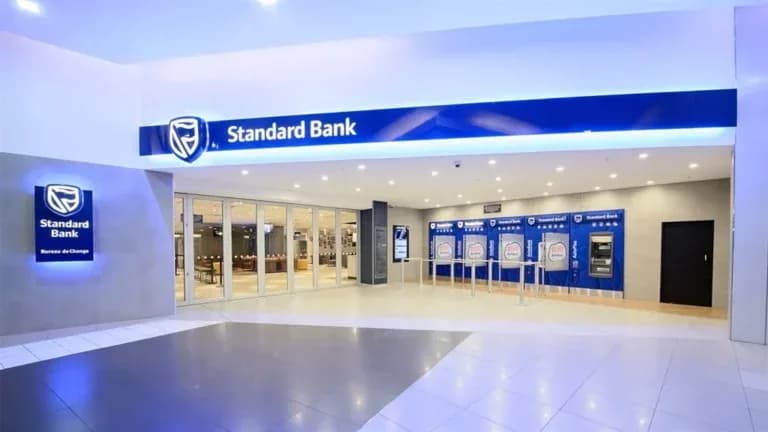
Standard-Bank-to-shut-Independent-Media-accounts
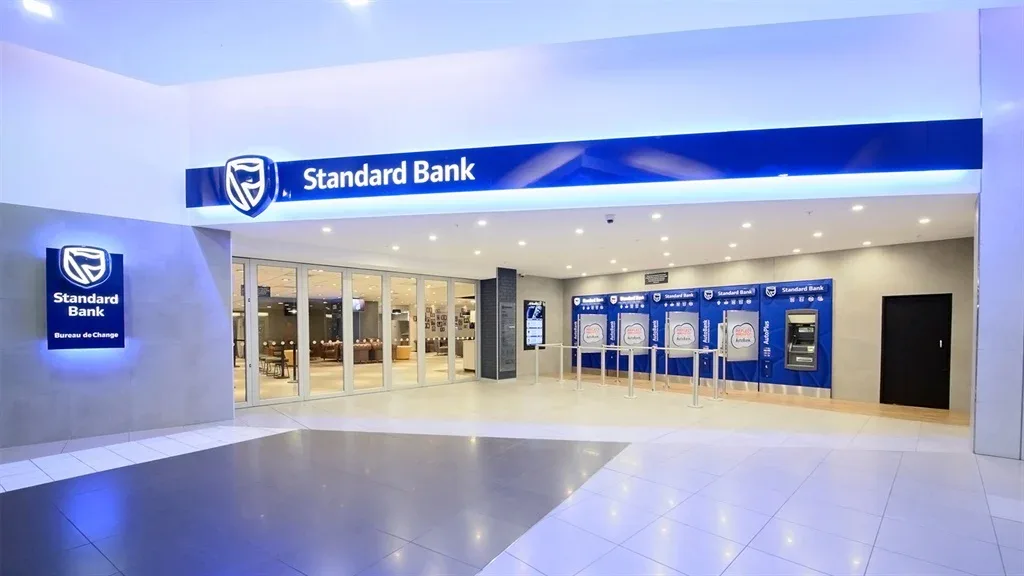
Standard Bank South Africa (SBSA) has reportedly issued letters to Independent Media and 30 other companies in the Sekunjalo Group, informing them of the closure of their business bank accounts on the 21st of August.
A large number of major news outlets around the country such as The Cape Argus, Cape Times, Star, Daily News, IOL, are Independent Media brands, and staff’s salaries are paid via Standard Bank accounts.
This move by SBSA is very threatening to the job security of an estimated 1600 media workers employed by Sekunjalo, which is owned by Iqbal Surve. Signed by Herbert Smith Freehills South Africa Attorneys Inc, the letters were issued on July 21 and gave Sekunjalo a 30-day notice period before closure of the accounts.
SBSA’s communication came not long after a Competition Appeal Court of SA ruling that upheld the decision taken by three banks to stop offering their services to Sekunjalo companies. It was last week when the appeals court ruled that the Competition Tribunal had erred in ordering SBSA, Mercantile Bank and Access Bank to either reopen or not close Sekunjalo’s accounts.
In September 2022, the banks had appealed the tribunal’s ruling that there was evidence that they had engaged in anti-competitive behaviour when deciding to stop doing business with Sekunjalo. The decision by Standard Bank to terminate the accounts was based on fear of reputational damage, following unfavourable media reports on the findings of the Mpati Commission of Inquiry’s Report into the Public Investment Corporation (PIC).
The claims from PIC were that a R4.3 billion investment it made in AYO Technology Solutions Limited, a tech company in the Sekunjalo stable, was unlawful. However, in March this year, Sekunjalo was vindicated when AYO and the PIC agreed to a settlement in the Western Cape High Court – putting paid to the “reputational damage” argument.
Surve thinks that this proves the banks’ motives are political and alluded to a “nexus” between the five major banks’ shareholders and “those who fund politicians”. He said that it is clear to them that Standard Bank is acting on political instruction. The banks have an interest in media competitors. The demise of Independent Media would be beneficial for Standard Bank.
“This leads to a situation where part of the media landscape and diversity are under threat. It is a direct attack on media freedom. This is a problem for our democracy and our constitution. It’s ironic because Standard Bank is a sponsor of the Sikuvile Journalism Awards.”
Surve also mentioned that the closure of Sekunjalo’s media companies’ bank accounts would put 1600 workers and their 7000 dependants’ livelihoods at risk. In a statement to Independent Media, Standard Bank welcomed the Competition Appeal Court’s ruling.
“Last year, the Competition Tribunal found that, in refusing to deal with the Sekunjalo entities, Standard Bank, amongst other banks, had acted in co-ordination with one another, and acted unilaterally as dominant firms, to abuse a dominant position in terms of the Competition Act. Standard Bank is pleased with the judgment which confirms Standard Bank’s position since inception, that we have not been involved in any anti-competitive behaviour as alleged.”
The statement also went on to reveal that following the favourable judgment, Standard Bank is currently busy with engagements with the Sekunjalo Group on the next steps.
Aziz Hartley, the Independent Media Editor in Chief, slammed Standard Bank’s “apartheid” tactics. He mentioned that Standard Bank’s decision is ill-considered and reminiscent of the kragdadigheid witnessed during the height of apartheid.