
(SPONSORED) Driving With Baby Safely – A Guide to Child Car Seat Safety
Having a baby is a milestone moment, a life-changing experience that brings new responsibilities. For many moms-to-be, the days and weeks before they give birth are filled with preparations for the arrival of their newest family member. From cots and clothes to bottles and bibs, there is a dazzling array of baby gear to consider
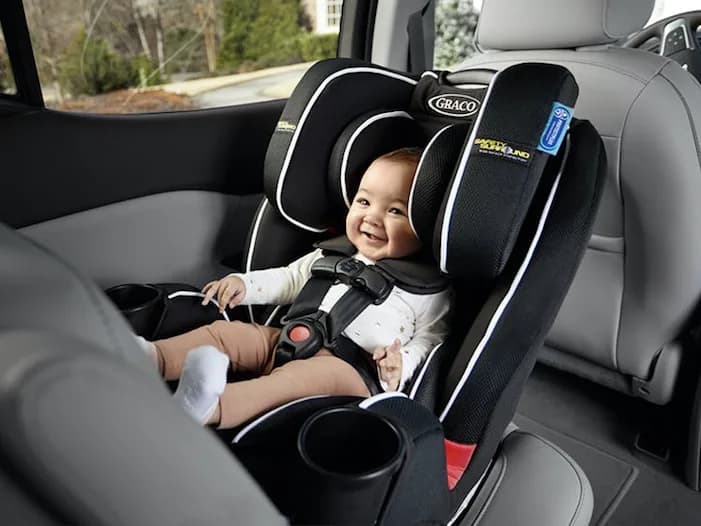
(SPONSORED) Driving With Baby Safely – A Guide to Child Car Seat Safety
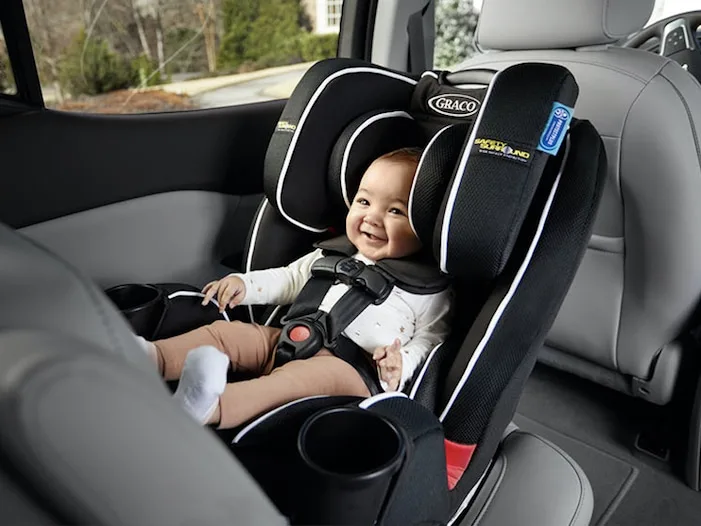
Having a baby is a milestone moment, a life-changing experience that brings new responsibilities. For many moms-to-be, the days and weeks before they give birth are filled with preparations for the arrival of their newest family member. From cots and clothes to bottles and bibs, there is a dazzling array of baby gear to consider and many decisions to be made.
While it may seem that a baby’s first car trip isn’t as much of a priority before the child is born, if you are planning to drive your new-born baby anywhere in your car then you will need to consider buying a car seat as soon as possible.
What the Law Says
In South Africa, the National Road Traffic Act stipulates that:
- Car seats for babies and young children under the age of 3 are compulsory. It is illegal to transport a child under the age of 3 in a vehicle if they are not strapped into a car seat and the car seat used must meet a minimum prescribed SABS standard.
- Any child between the ages of 3 and 14 must be wearing a car seat when the vehicle is in operation failing which the driver of the vehicle will be held liable.
Experts also strongly recommend that children under the age of 12, or under a height of 1.5m must be supported in a booster seat while travelling in a car to limit injury.
Why Car Seats for Children are Important
Leading emergency medical service Netcare 911 also highlights that “infants are especially at risk for head and spinal cord injuries because their bones and ligaments are still developing. Their heads are also proportionately larger than their necks as opposed to adults, so their structural support system is still a little wobbly.
There are two types of infant car seats, each with specific requirements for proper installation. When choosing your seat, remember that your baby’s head and neck are most at risk, although it also doesn’t take much to cause injury to any other part of the infant’s body.”
Conclusion
Car seats are a positive and necessary investment to ensure the safety of your little one. In South Africa, organisations and initiatives such as Precious Cargo and #carseatfullstop aim to inform and educate. However, as the technology improves, and laws change it is imperative that parents and any other individuals driving infants and children do their research and due diligence to keep themselves updated on child car safety best practices.
Brought to you by First For Women Car Insurance.