
South Africa's new laws for complexes and other sectional titles have been sent to Ramaphosa for signature
The Sectional Titles Amendment Bill has been passed by Parliament and sent to President Ramaphosa for his signature. After being approved by the cabinet in August of that year, the bill was introduced in parliament in November 2020. The proposed amendments, according to a cabinet statement at the time, provide clarity and protect lessees in
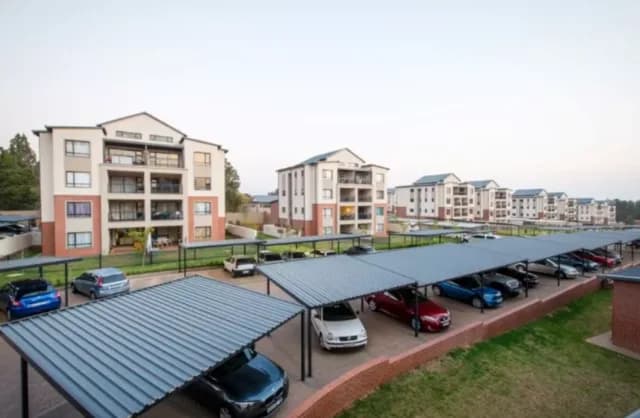
South Africa's new laws for complexes and other sectional titles have been sent to Ramaphosa for signature
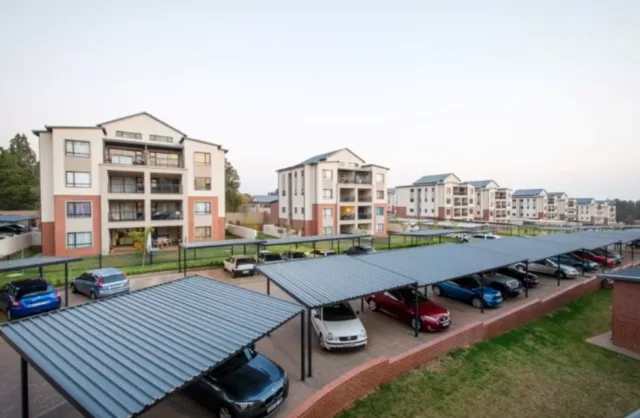
The Sectional Titles Amendment Bill has been passed by Parliament and sent to President Ramaphosa for his signature.
After being approved by the cabinet in August of that year, the bill was introduced in parliament in November 2020.
The proposed amendments, according to a cabinet statement at the time, provide clarity and protect lessees in sectional-arrangement buildings.
Overall, the bill adds a slew of new rules for tenants and sectional title managers on everything from extensions to common property. The changes are primarily aimed at managers and Home Owners’ Associations, but they will invariably affect tenants.
Among the key proposed changes are:
● Making it a requirement for developers to meet with each lessee of a building in cases where a portion of the building is to be wholly or partially leased for residential purposes, in order to answer questions posed by the lessees’ agents.
● Provide that a certificate issued by an architect or a land surveyor must also comply with section 26(2) of the Spatial Planning and Land Use Management Act (where land may only be used for permitted purposes);
● Allow for the modification of sectional plans in terms of exclusive use areas.
● A developer must submit a subdivision or consolidation plan to the surveyor-general for approval to subdivide, consolidate, or extend a section.
The bill also includes a number of administrative requirements for things like sub-divisions and extension plans.
According to the full explanatory summary, the bill seeks to amend the Sectional Titles Act of 1986 in order to:
● Amend certain definitions;
● Provide for the developer to answer questions put to the developer by the agents of the lessees;
● Further provide for the amendment of sectional plans in respect of exclusive use areas;
● Further provide for the amendment and cancellation of a sectional plan upon an order of the court;
● Provide for the noting of a title deed in respect of the lapsing of a reservation in terms of section 25;
● Provide for a lease of part of the common property with the consent of the holders of registered real rights;
● Amend the provisions relating to the alienation of common property;
● Further provide for the cancellation of a mortgaged section and mortgaged exclusive use area;
● Provide for a developer to submit a plan for subdivision or consolidation to the Surveyor-General for approval to subdivide, consolidate, and to extend a section;
● Extend the registration of subdivision of a section, the consolidation of sections, and the extension of sections to a developer;
● Provide for the filing of replacement documentation in respect of lost or destroyed documentation;
● Amend the provisions relating to the extension of a scheme;
● Amend the provisions relating to participation quotas of sections;
● Regulate the membership of the sectional titles regulations board; and
● Provide for matters connected therewith.
The proposed laws were submitted for public comment in March 2021 and passed with few changes. The bill was passed by the national assembly and sent to the NCOP for approval in November 2021.
The Sectional Titles Regulations Board will be in charge of regularly reviewing the act’s application and implementation and recommending amendments to the agriculture, land reform, and rural development minister.
The bill’s amendments are based on Board recommendations. The bill was passed without amendments by the select committee on land reform, environment, mineral resources, and energy.