South Africa's Mining Sector: A Radical Transformation in the Past 20 Years
South Africa's mining sector has undergone significant transformation over the last two decades, making it almost unrecognizable from what it was 20 years ago. This shift is reflected in the tripling of market capitalization for the Top 40 mining companies, as well as consolidation, with one-third of the Top 40 companies from two decades ago
South Africa's Mining Sector: A Radical Transformation in the Past 20 Years
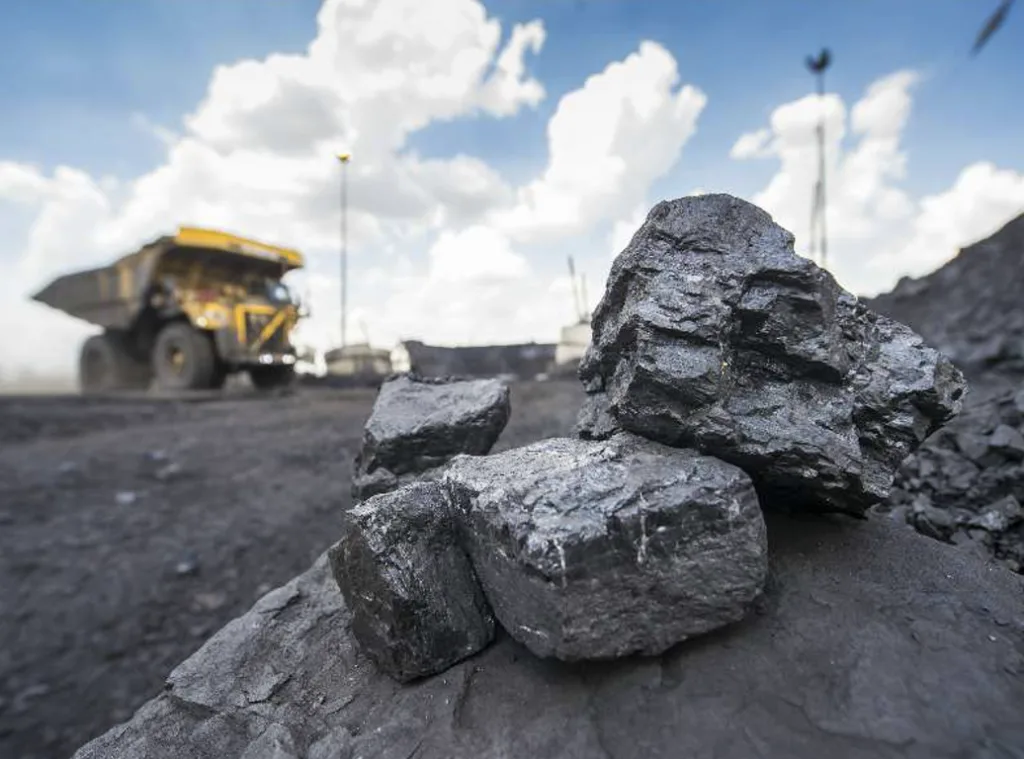
South Africa’s mining sector has undergone significant transformation over the last two decades, making it almost unrecognizable from what it was 20 years ago. This shift is reflected in the tripling of market capitalization for the Top 40 mining companies, as well as consolidation, with one-third of the Top 40 companies from two decades ago being absorbed by others. Gold and platinum are no longer the dominant minerals, as coal and iron ore have emerged as dominant minerals, and metals such as copper and lithium have gained prominence in the realm of clean metals.
PwC’s recently released Mine 2023 Report highlights the extent of this transformation in the mining industry. Only 11 of the top 40 mining companies are involved in coal mining, which has nearly halved. Furthermore, many of the Top 40 mining companies from 20 years ago have merged with other players, resulting in the demise of well-known names such as Gencor, Iscor, Johnnic, and JCI as their assets were integrated into larger mining conglomerates. The era of mega-mines has arrived, characterized by consolidation, capital efficiency, and intense resource competition, and it is shaping the industry’s trajectory.
One notable change in the mining landscape is the increased emphasis on environmental, social, and governance (ESG) standards, decarbonization, and sustainability. Previously, these concepts were not widely known or regarded as important. Mining behemoths, on the other hand, will take the energy transition and ESG issues seriously in 2023, owing to investor pressure and the need to adapt to Eskom’s unreliable energy supply. This sense of urgency has fueled the rise of “clean metals,” as mining companies seek alternatives to fossil fuels and carbon emissions. Several junior miners proudly discussed their plans to transition off the grid, aiming for energy independence within the next five years, at the Junior Mining Indaba in Johannesburg.
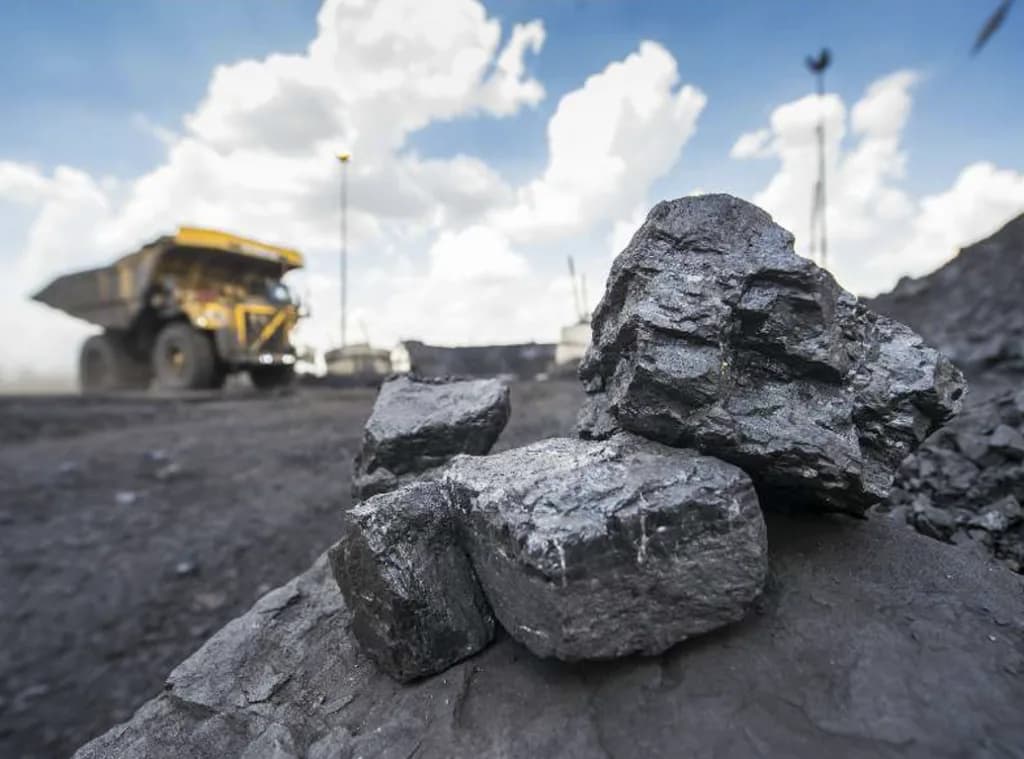
While coal continues to be a significant revenue generator in South Africa’s mining sector, its long-term decline is visible as the world navigates the energy transition. Recent global energy supply disruptions, such as the Ukraine conflict and COVID-19, have highlighted the importance of coal. Nonetheless, the hunt for copper, lithium, and other green metals is intensifying, aided by tax breaks, trade deals that promote critical minerals, legislation, and plenty of funding and grants for clean energy projects. According to PwC, the value of critical mineral deals increased by 151% in 2022, accounting for 66% of the total deal value.
In terms of mergers and acquisitions (M&A) activity, gold deals have dropped by 50%, signalling the end of the precious metal’s dominance in this arena. Copper, on the other hand, has emerged as the hot commodity, accounting for 85% of all critical minerals transactions and 56% of M&A activity in the Top 40. According to the PwC report, copper will be in high demand in the coming years as a critical metal facilitating electrification and renewable energy.
Mining has reestablished itself as a formidable force to be reckoned with. Speaking at the Junior Mining Indaba, Afrimat CEO Andries van Heerden discussed how diversifying into mining transformed his construction company’s earnings trajectory over the last decade. Afrimat achieved substantial profits by venturing into the mining sector and capitalizing on the commodity boom, providing a significant benefit to shareholders when compared to the scenario if they had solely relied on the construction sector.
To summarize, the mining sector in South Africa has changed dramatically over the last 20 years. It has seen the rise of new dominant minerals, company consolidation, and a growing emphasis on ESG and decarbonization. Opportunities for copper, lithium, and other critical minerals emerge as the industry embraces clean metals and adapts to the energy transition. The resurgence of the mining sector brings renewed economic potential and investment opportunities, fueling optimism for the industry’s future in South Africa.