South Africa's future is dependent on the government's big Eskom gamble
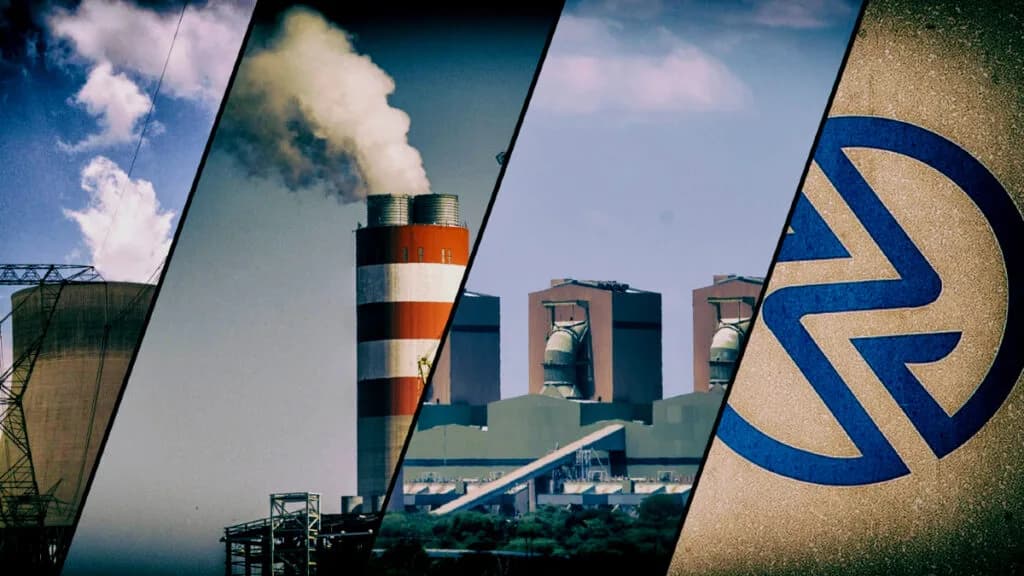
S&P Global Ratings expects South Africa's government to keep its promises to Eskom shareholders as it finalises a plan to address the state-owned utility's massive debt burden. Finance Minister Enoch Godongwana stated last month that the government may shift between one-third and two-thirds of the power company's R400 billion debt onto its own balance sheet,
South Africa's future is dependent on the government's big Eskom gamble
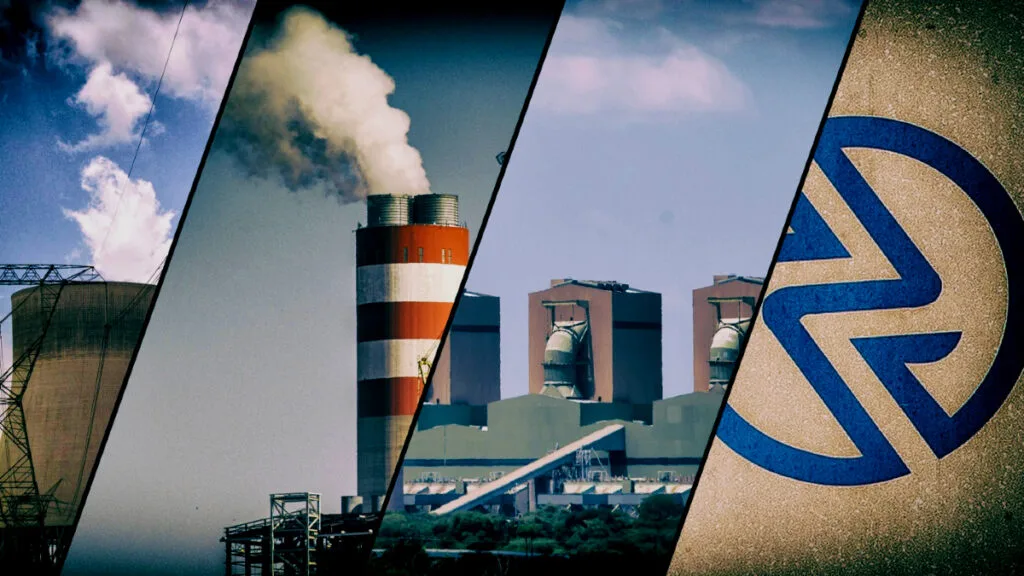
S&P Global Ratings expects South Africa’s government to keep its promises to Eskom shareholders as it finalises a plan to address the state-owned utility’s massive debt burden.
Finance Minister Enoch Godongwana stated last month that the government may shift between one-third and two-thirds of the power company’s R400 billion debt onto its own balance sheet, subject to strict conditions.
The quantum and terms of the transfer are expected to be announced in the February budget.
“We currently assume that the government will fulfil the original obligations to existing investors to avoid a distressed exchange,” S&P Global Ratings said in a statement reviewing South Africa’s junk-rated debt Friday.
The ratings agency considers distressed exchanges, in which debt holders accept losses or haircuts out of fear that troubled entities will be unable to meet their original obligations, to be a default.
S&P anticipates that the government will assume R250 billion, or nearly two-thirds of Eskom’s debt, equivalent to about 3% of GDP, beginning in 2023. While the higher costs of servicing the sovereign debt will most likely be offset by reducing or cancelling planned transfers to Eskom, S&P warns that the utility may require additional assistance to close liquidity gaps and meet its maintenance and investment plans.
S&P maintained its long-term foreign-currency rating of BB-, three notches below investment grade, with a positive outlook. It warned that if the debt transfer “significantly weakens” the government’s fiscal trajectory without addressing Eskom’s financial and operational shortcomings, the outlook could be downgraded to stable.
“We could raise the ratings if growth in economic output and fiscal consolidation continue on a sustained basis, against a backdrop of structural and governance reforms and supportive external sector dynamics,” S&P said.
While the National Treasury did not directly account for the impact of Eskom’s relief in last month’s budget update, which showed an improvement in the trajectory of key fiscal metrics, with government debt expected to peak at 71.4% of GDP in the current fiscal year,
This risk, combined with pleas for increased support from other state companies, higher-than-budget pay demands from civil servants, and calls to expand the social welfare net, means that state debt is likely to reach 79% of GDP by 2025, according to S&P.
According to the ratings agency, Africa’s most industrialised economy will grow 1.9% this year and 1.5% in 2023.