South African internet connectivity is under threat, and load-shedding is to blame
Load-shedding is jeopardising Internet connection in South Africa, and users have little recourse. According to Paul Colmer, executive management committee member of the Wireless Access Providers' Association (WAPA), purchasing backup power solutions for connection is pointless unless your network provider can maintain their network operational. “It’s very easy to buy a device off the shelf
South African internet connectivity is under threat, and load-shedding is to blame
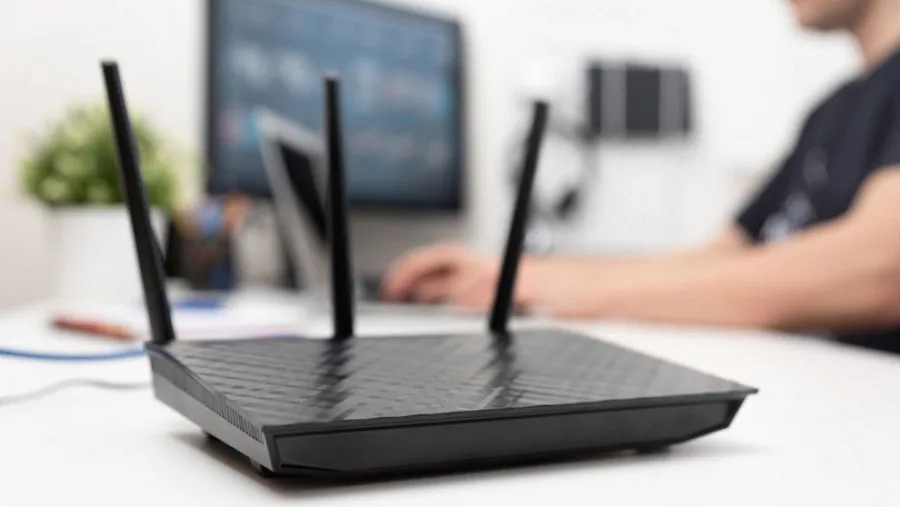
Load-shedding is jeopardising Internet connection in South Africa, and users have little recourse.
According to Paul Colmer, executive management committee member of the Wireless Access Providers’ Association (WAPA), purchasing backup power solutions for connection is pointless unless your network provider can maintain their network operational.
“It’s very easy to buy a device off the shelf for under R1,000 which will backup your wireless router for the duration of load-shedding,” Colmer said in an interview with CapeTalk.
“But it serves no purpose whatsoever when the towers drop. It is completely out of control.”
According to Colmer, cellular towers are built to function on grid power, with some backup to live for a couple of hours without power.
“They certainly weren’t designed for multiple bouts of load-shedding, which depletes the batteries and doesn’t give them sufficient time between the outages,” he said.
“That is a problem compounded by the fact that they’re riddled with battery theft, which has become more prolific because batteries, because of load-shedding, have a higher black market value.”
He did highlight, however, that cellular operators are making headway towards backup power options for towers.
Vodacom CEO Shameel Joosub said last year that the company spent over R2 billion over two years on batteries, generators, and tower security.
According to Colmer, cellular towers have high power consumption, which necessitates massive backups and enough time between outages to recharge.
He went on to say that the majority of WAPA’s members are smaller connectivity providers that constructed their tower infrastructure without grid power from the start, or who developed powerful backup power systems.
This made going entirely off-grid easy for them.
“Our power requirements are far less than what cellular towers require,” Colmer said.
“It’s been much easier for us to get back to a 99.9% uptime, which is the huge challenge for the cellular industry.”
Fibre providers are also feeling the effect
According to Colmer, load-shedding affects more than just cellular networks, with higher stages being a difficulty for fiber-to-the-home (FTTH) and fiber-to-the-business (FTTB) operators.
“It’s actually also not a problem just with the cellular networks, but if you look outside of the metros, especially on the old Telkom exchanges, they are collapsing as well now,” he said.
“The older exchanges don’t have enough power to survive stage 6 anymore.”
“If we have extended periods of power outages, the systems could potentially require costly upgrades,” he stated.
“The most significant impact of stage 5 and stage 6 load-shedding is the pressure it places on equipment, the associated cost of running generators over an extended period, and requiring more maintenance teams in the field to improve reaction time should failures occur.”
Telkom’s wholesale and networks division, Openserve, said its network was still performing within “acceptable levels” during stage 5 and 6 load-shedding.
“The risk of depleting battery backup remains the longer we are in stage 5 and 6 load-shedding,” it added.
“If the batteries do not get enough time to recharge for the next cycle, customers will experience poor connectivity.”