South African consumers faces bad news as inflation rises
South Africans should expect higher inflation in the coming months, according to economists, as higher diesel prices and input costs ripple through the entire producer supply chain. The Bureau of Economic Research (BER) forecasts CPI to be around 7% year on year for the next few months, on the back of continued annual producer price
South African consumers faces bad news as inflation rises
South Africans should expect higher inflation in the coming months, according to economists, as higher diesel prices and input costs ripple through the entire producer supply chain.
The Bureau of Economic Research (BER) forecasts CPI to be around 7% year on year for the next few months, on the back of continued annual producer price inflation (PPI).
The final manufactured goods PPI fell to 16.3% in September from 16.6% in August. However, the BER stated that this is significantly higher than the consensus forecast of 15.6%.
The most significant contributors to the annual increase, according to the economists, were coke and petroleum, which were up 34.2% year on year. This is followed by food, beverages, and tobacco products, which are up 12.1% year on year.
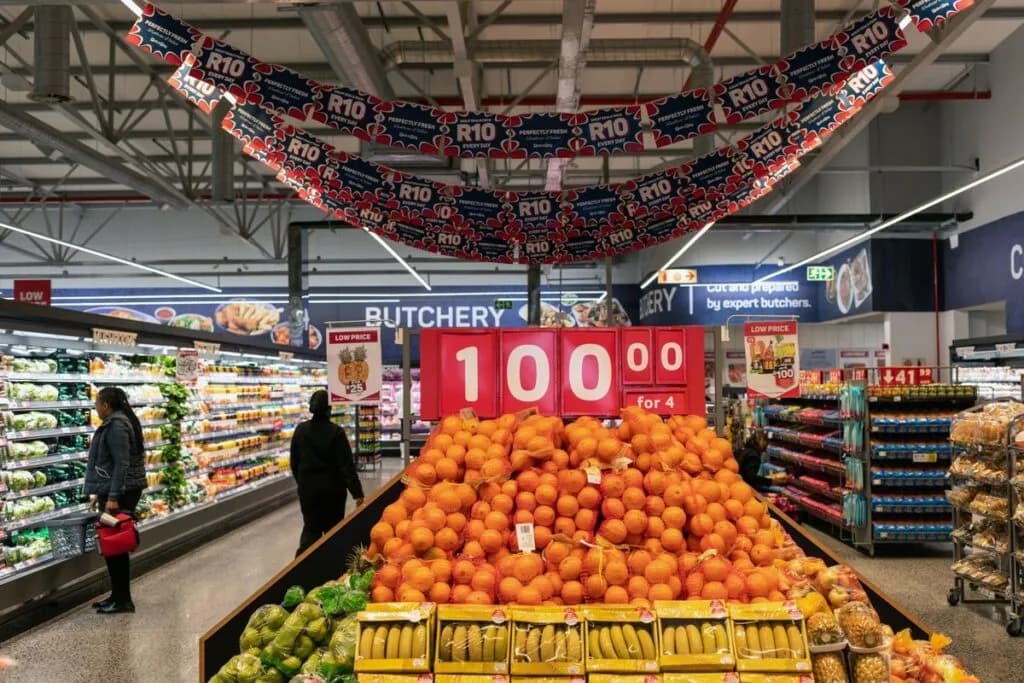
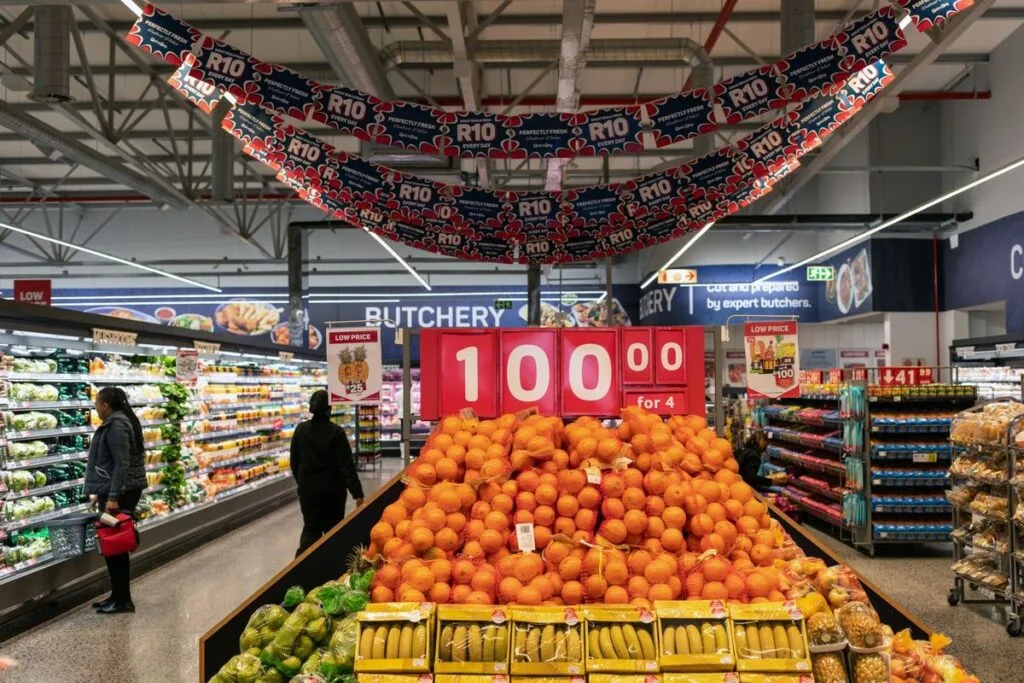
A concern among these indicators is that manufactured food products increased by a higher-than-expected 1.3% month on month in September after increasing by 1% in August, according to the BER, implying that consumer food prices are under pressure.
This concern about food prices has been exacerbated by the fact that the price of diesel, a primary input for manufacturing, agriculture, and trucking, is set to rise to more than R25 per litre on November 2, 2022.
This means that food producers are likely to raise prices to account for rising fuel costs, particularly in the agricultural industry, where fuel accounts for 13% of input costs, according to Wandile Sihlobo, chief economist at the Agricultural Business Chamber of South Africa.
Furthermore, the Bureau for Food and Agricultural Policy (BFAP) released its most recent food inflation brief, which warns South Africa of potential food price shocks in 2023 if local crop production is thrown off course by unforeseen events.
While the group noted that local prices had remained lower than international markets due to local surplus production, it warned that if South Africa did not produce surpluses of these crops, prices would rise to import parity, resulting in price increases of at least 30%.
This is because global prices, the weak exchange rate, and rising logistics and processing costs, such as transportation, electricity, and wages, are driving inflationary trends, which are now beginning to worsen.
According to the BER, poultry producer Astral warned last week that continued high feed costs would result in further price increases for poultry, given that domestic maize prices have risen in recent weeks.
In addition to the anticipated increases, restaurant group Famous Brands announced that rising food and energy costs would force it to raise menu prices across the board.
While the BER believes that headline CPI inflation in South Africa peaked in July, the message from the latest PPI data, the fuel price hikes (51c/litre for petrol and a hefty R1.43 for diesel) this week, and recent corporate commentary support an outlook for CPI to remain sticky above 7% year on year for the next several months.