South African average wage versus iPhone pricing
Purchasing the newest iPhone when it was released in South Africa in 2022 would have cost more than 80% of the average employee's monthly pay. Former Apple CEO Steve Jobs launched the original iPhone in 2007, which boasted a breakthrough smartphone design that has remained the norm to this day. While it was not the
South African average wage versus iPhone pricing
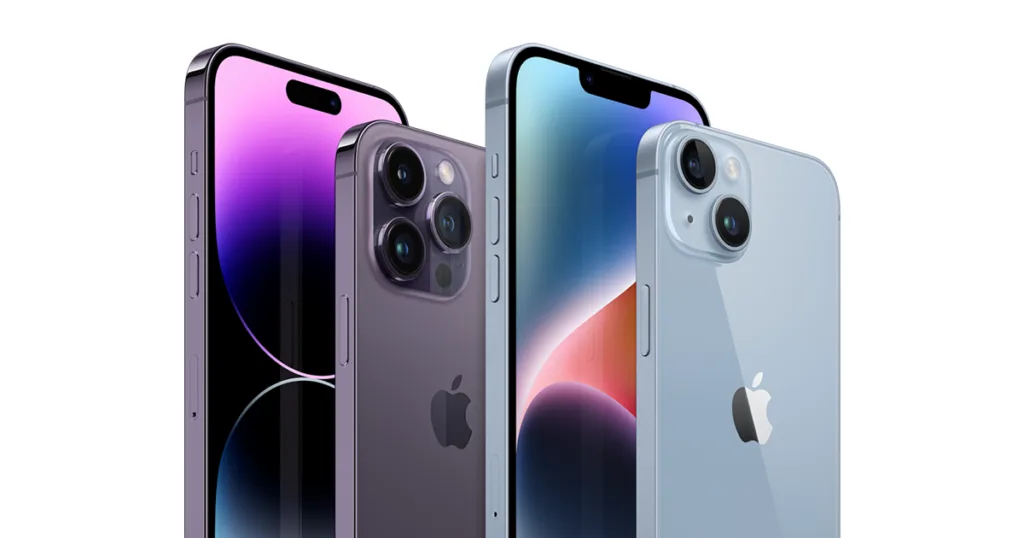
Purchasing the newest iPhone when it was released in South Africa in 2022 would have cost more than 80% of the average employee’s monthly pay.
Former Apple CEO Steve Jobs launched the original iPhone in 2007, which boasted a breakthrough smartphone design that has remained the norm to this day.
While it was not the first to choose a touchscreen over a physical keyboard, its utilisation of multi-touch technology and powerful software was the finest yet in terms of user experience.
In the years that followed, all of the world’s leading smartphone manufacturers would embrace this design as their starting point.
On its first flagship smartphone running the BlackBerry 10 operating system, even BlackBerry would forego its famous keyboard in favour of a full touch bar design.
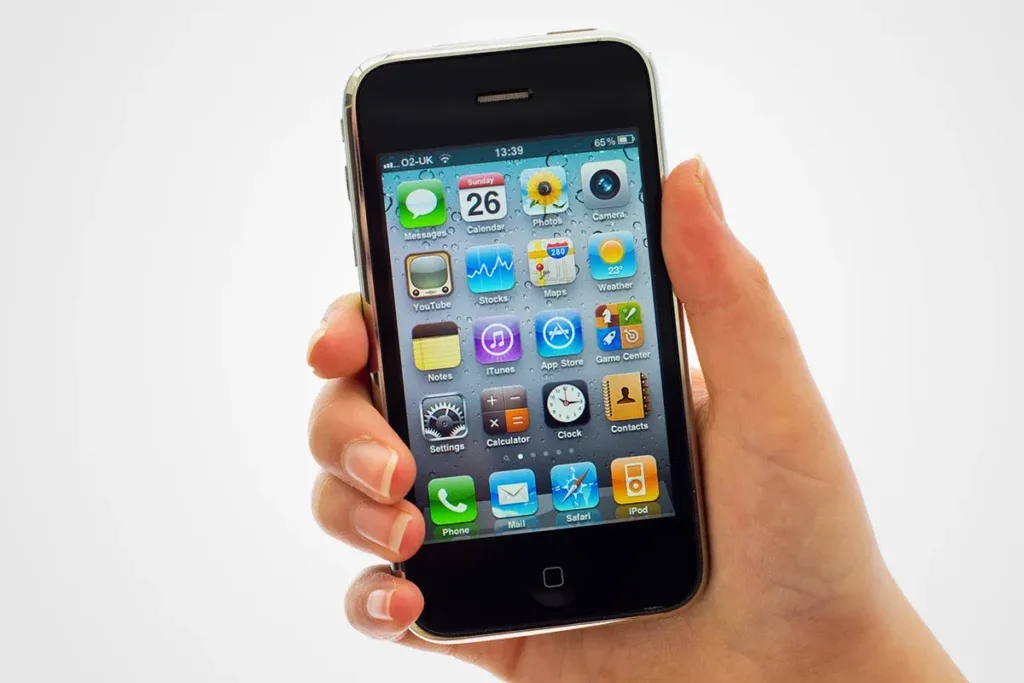
The iPhone 3G, the device’s second version, was the first to be publicly released in South Africa in 2008.
It has a 3.5-inch 320 x 480 TFT LCD display, a single 2MP back camera, 8GB or 12GB of storage, a 1,220mAh battery, and 3G network access.
The 8GB version was the lowest model offered in South Africa, with a starting price of R6,389 on Vodacom prepaid.
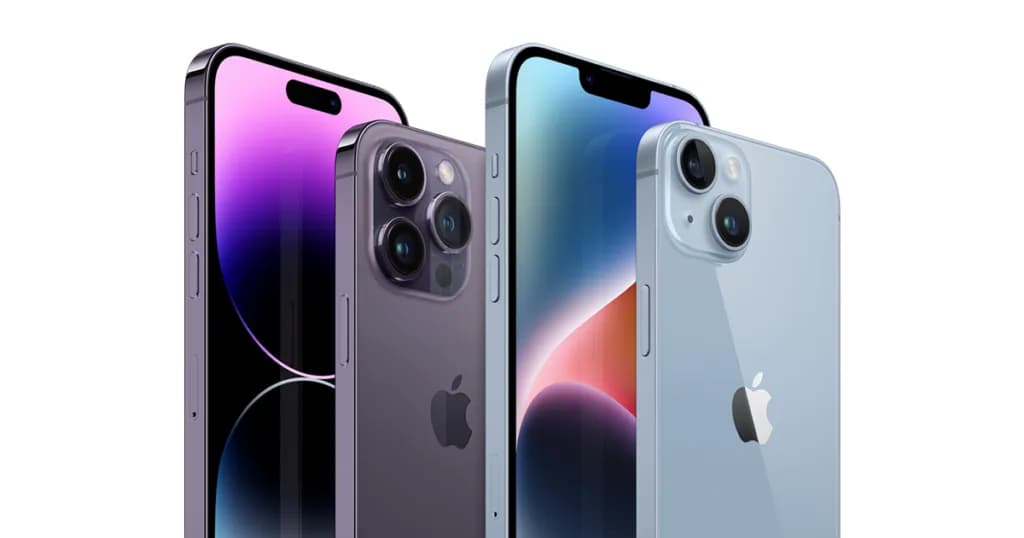
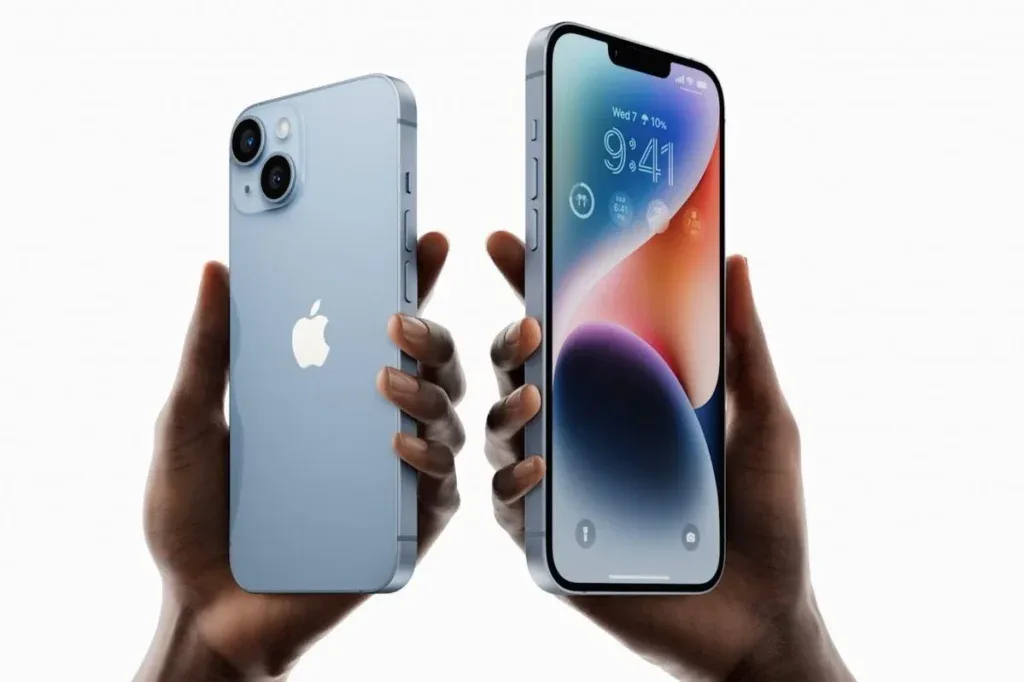
In September 2022, Apple released its most current flagship smartphone line, the iPhone 14.
The basic iPhone 14, the most cheap model in this lineup, features a 6.1-inch 1,170 x 2,532 OLED screen, twin 12MP rear cameras, a 12MP front camera, storage ranging from 128GB to 512GB, and a 3,279mAh battery.
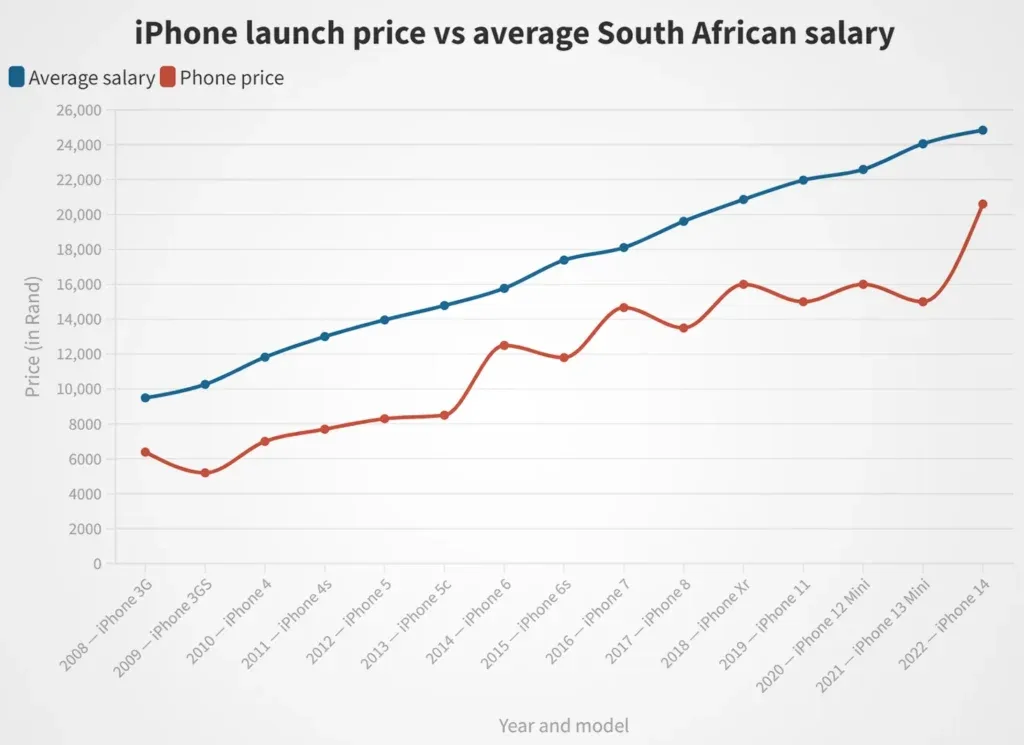
The R20,599 beginning pricing for the 128GB variant on the iStore was R14,210 more than the starting price for the iPhone 3G.
That equates to a 322% rise over 14 years, much exceeding the rate of inflation of about 100% during the same period.
We compared the costs of new iPhones each year with the average wage in the nation to determine how economical the current iPhone model is in South Africa compared to its predecessors.
We eliminated Apple’s less expensive SE and 5C models from our study since they competed in a separate category.
From the iPhone 3G in 2008 until the iPhone 14 in 2022, we utilised the launch cost of the most inexpensive flagship iPhone model released each year.
We used Statistics South Africa’s Quarterly Employment Statistics (QES) to calculate the average wage in South Africa for non-agricultural employees in the formal sector.
Because most iPhone flagship debuts occur in September, we used third-quarter polls for each year.
These offered annual average wages for August, the month closest to the launch dates.
The price of the first iPhone in South Africa, the iPhone 3G, was almost 67% of the average monthly salary of non-agricultural company employees.
With the release of the iPhone 3GS the following year, which costs roughly half the average income, that share would fall dramatically.
In the years that followed, each new iPhone cost around 60-80% of the typical South African wage when it was released.
iPhone 14 shocker
However, at R20,599, the iPhone 14 costs over 83% of the average monthly wage (R24,831 in August 2022) – the highest of any iPhone.
What makes matters worse is that it has risen from 62% for the cheapest iPhone 13 the previous year.
This 21-point increase may be attributed to two primary sources.
First, Apple discontinued the cheaper Mini variant that was available at the entry-level iPhone 12 and iPhone 13 models.
The iPhone 13 Mini cost $599 in the United States (R9,068 at the time, minus VAT), while the most cheap iPhone 14 cost $799. (R13,799 at the time, excluding VAT).
As a result, it stands to reason that its South African pricing would be significantly higher, unless the rand saw a significant gain in value. Unfortunately, the inverse occurred.
By the time the iPhone 13 was announced on September 14, 2021, the rand was trading at R15.14 to the dollar.
When the iPhone 14 was introduced on September 7, 2022, it ended at R17.27 to the US dollar, a 14% decline.
The table below compares the launch costs of flagship iPhones in South Africa from 2008 through 2022 as a percentage of the average earnings in those years.
| iPhone launch prices vs salaries | |||
| Year and model | Launch price | Average salary (based on Stats SA QES) | iPhone price as a proportion of salary |
| 2008 — iPhone 3G | R6,389 | R9,495 | 67% |
| 2009 — iPhone 3GS | R5,199 | R10,267 | 51% |
| 2010 — iPhone 4 | R6 999 | R11,825 | 59% |
| 2011 — iPhone 4s | R7,699 | R13,005 | 59% |
| 2012 — iPhone 5 | R8,299 | R13,960 | 59% |
| 2013 — iPhone 5c | R8,499 | R14,785 | 57% |
| 2014 — iPhone 6 | R12,500 | R15,770 | 79% |
| 2015 — iPhone 6s | R11,799 | R17,387 | 68% |
| 2016 — iPhone 7 | R14,669 | R18,104 | 81% |
| 2017 — iPhone 8 | R13,499 | R19,608 | 69% |
| 2018 — iPhone XR | R15,999 | R20,860 | 77% |
| 2019 — iPhone 11 | R14,999 | R21,966 | 68% |
| 2020 — iPhone 12 Mini | R15,999 | R22,579 | 71% |
| 2021 — iPhone 13 Mini | R14,999 | R24,051 | 62% |
| 2022 — iPhone 14 | R20,599 | R24,831 | 83% |