SA’s ideal power system could cost up to 3.1 trillion
South Africa’s ideal power system, which is both cost effective and emits the fewest greenhouse gases, consist of solar PV, wind, and battery storage. According to a report by the National Business Initiative (NBI), the capital required for such a system range between R2.3 trillion and R3.1 trillion. The NBI, in collaboration with Just Share
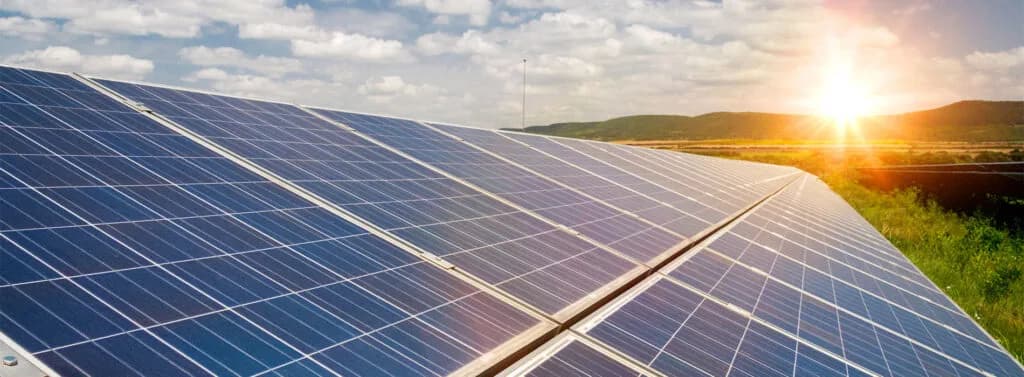
SA’s ideal power system could cost up to 3.1 trillion
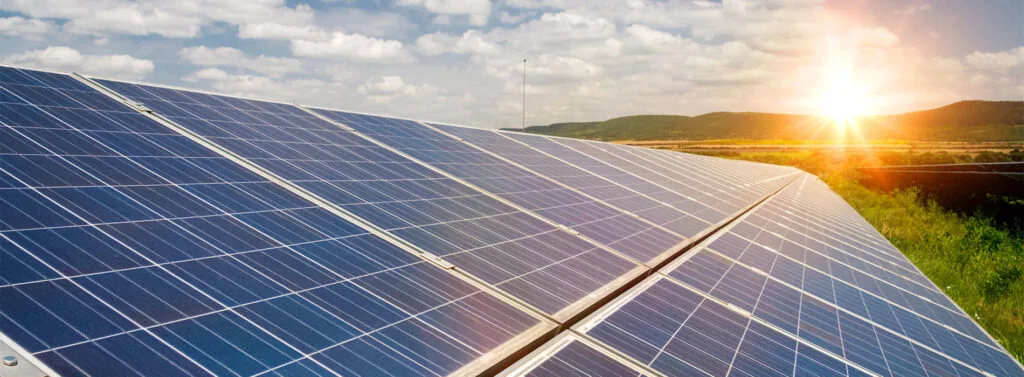
South Africa’s ideal power system, which is both cost effective and emits the fewest greenhouse gases, consist of solar PV, wind, and battery storage.
According to a report by the National Business Initiative (NBI), the capital required for such a system range between R2.3 trillion and R3.1 trillion.
The NBI, in collaboration with Just Share and the World Wild Fund for Nature (WWF-SA), hosted the official launch of their electricity report: Climate Change Investment and Finance Opportunities in the South African Electricity Sector on Wednesday.
The report’s findings are based on four studies conducted by the Energy Research Centre at the University of Cape Town, Meridian Economics, McKinsey & Company, and NBI. These studies look at how to reduce carbon emission in the electricity sector, which contribute to climate change, while still meeting energy demands. The NBI report also draws on the expertise of the electricity industry, as well as input from Eskom on the role of gas.
“As the energy transition to net zero by 2050 commences in South Africa’s power sector, it is fundamental that we explore how the finance sector can facilitate and scale this important process”, said NBI
NBI recommends installing up to 150GW of solar PV and wind capacity between now and 2050, which equates to about 3GW of solar per year and 2GW of wind per year.
NBI also estimates that between 30GW and 60GW of battery storage will be required by 2050 to manage inconsistencies in solar PV and wind energy production. While battery storage is not available, the report predicts that South Africa will rely on diesel for the next few years to manage peak demand before transitioning to natural gas.
During the Standard Bank climate summit on Tuesday, Eskom CEO André de Ruyter stated that gas is required to maintain grid stability, particularly during peak demand periods.
The four studies also support the use of gas, but only in small amounts at around 5% and for a limited time until green fuels and alternative storage options are developed.
According to the NBI report, financing the solar PV and wind power system, which will be supported by battery storage or other solutions such as gas, is expected to cost between R2.3 trillion and R3.1 trillion, depending on the cost of different technologies and the rate of development.
Main Image:National Business Initiative