
Rising prevalence of drought and water affects farmers
Farmers across the globe are stressing over the very high levels of water stress or very high drought frequency. According to stats released by the Food and Agriculture Organization of the United Nations, the droughts affect about 1,2 billion people living in agricultural areas globally. In South Africa, just over 80% of irrigated cropland is
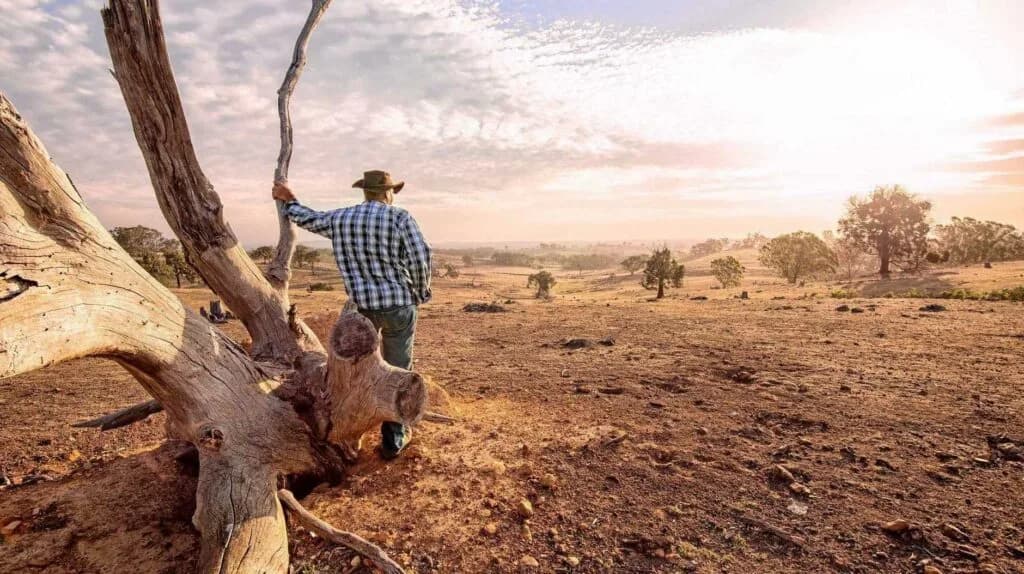
Rising prevalence of drought and water affects farmers
Farmers across the globe are stressing over the very high levels of water stress or very high drought frequency.
According to stats released by the Food and Agriculture Organization of the United Nations, the droughts affect about 1,2 billion people living in agricultural areas globally.
In South Africa, just over 80% of irrigated cropland is experiencing high or very high water stress, while 20% of dryland cropland, which accounts for about 60% of the country’s cropland, is experiencing high or very high drought frequency.
The report, ‘State of food and agriculture 2020’, called for policies that “[incentivised] investment in increasing water productivity”. It added that this needed to be done in a way that kept the environment, as well as equitable and inclusive access to water, in mind.
The importance of water management was particularly visible in the ongoing drought in the Northern Cape. While some parts of South Africa received good rain this season, the Northern Cape was still in the grips of a multi-year drought.
According to Nicol Jansen, president of Agri Northern Cape, 50% of the province was still experiencing “extreme drought and disaster”.
Some farmers in the province were even struggling to secure fresh water for household use, said Jacobus Francois Conradie, a sheep farmer in Kenhardt. The drought there had been ongoing for the past eight years, he added.
This, he said, has seriously affected his operation as the lack of grazing has forced him to buy-in feed for his sheep flock. In 2020, the area received about 40mm of rainfall, compared with the long-term average of between 90mm and 120mm.
But, according to Conradie, some farmers in the area received only about 12mm of rain this year.
Sybil Visagie, a sheep farmer from Sutherland, said that in some areas of the Northern Cape, the drought was only getting worse.
“The situation will be worse than critical for the next few years, even if it does rain. If it doesn’t rain, we’ve got big problems in the Karoo and you will actually see a lot of farm gates being closed,” Visagie said.
Main Image: Daily Mercury