Proc360 wants to cut the risks of importing from China
In 2025, Nigerian raw materials company PrimeFlow Ltd paid a supplier in China and waited two months for its shipment to arrive.When it finally arrived, the goods were not what the company had ordered.
Proc360
In 2025, Nigerian raw materials company PrimeFlow Ltd paid a supplier in China and waited two months for its shipment to arrive. When it finally arrived, the goods were not what the company had ordered. It is a familiar problem for businesses importing from China. A supplier may look legitimate, the price may seem right and the payment may go through without any problems. The issue only becomes clear when the shipment arrives. This is the gap Lagos-based Proc360 is targeting.
AI-generated summary. It can miss nuance — read the full story above for the complete picture.
In 2025, Nigerian raw materials company PrimeFlow Ltd paid a supplier in China and waited two months for its shipment to arrive. When it finally arrived, the goods were not what the company had ordered. It is a familiar problem for businesses importing from China. A supplier may look legitimate, the price may seem right and the payment may go through without any problems. The issue only becomes clear when the shipment arrives. This is the gap Lagos-based Proc360 is targeting.
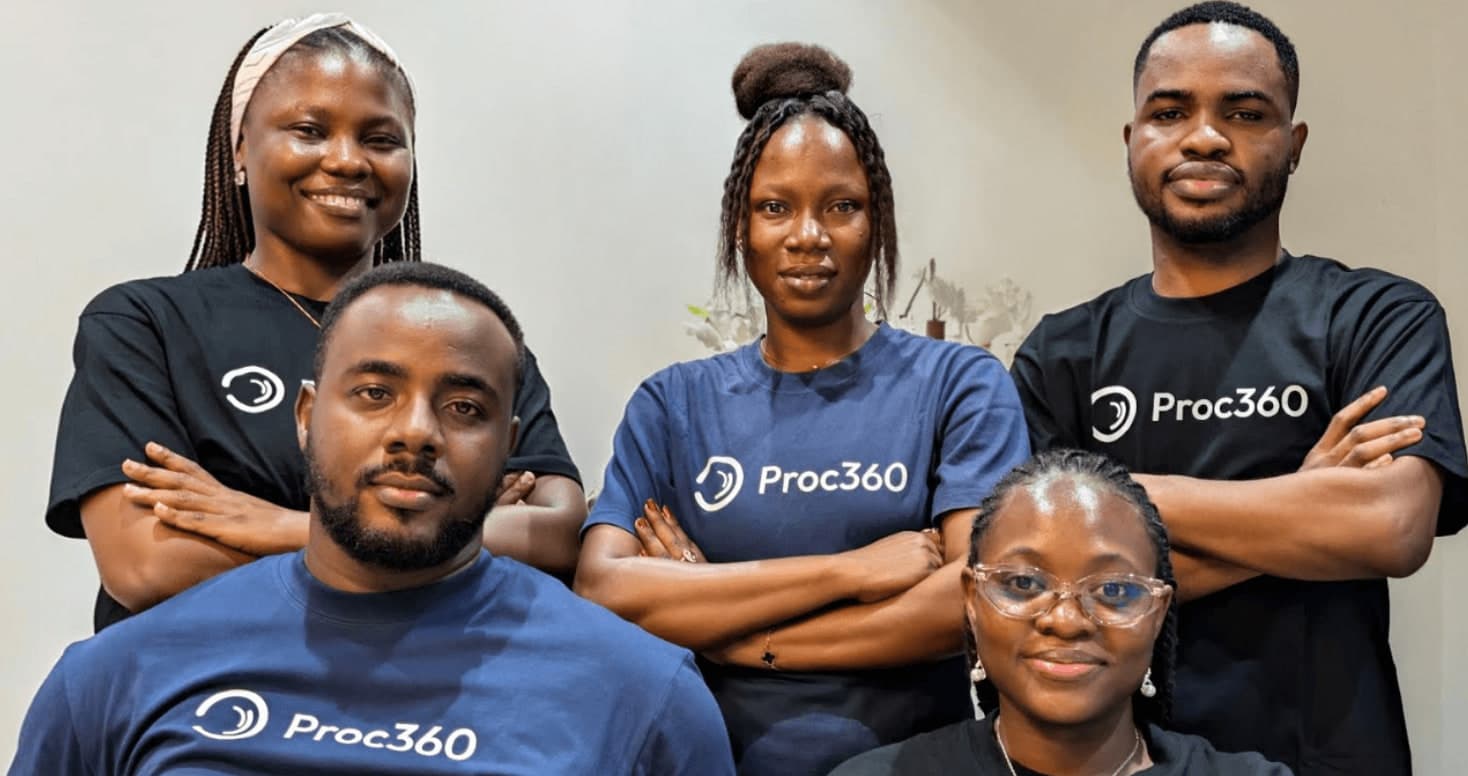
Founded by Fara Popoola and Michael Adisa, Proc360 helps businesses source products from China and manage the process through to delivery. Popoola has five years of experience in global procurement, including time in China. Adisa has more than four years of software engineering experience, much of it in supply chain systems. The company launched in June 2024 and currently operates in Lagos, Accra and Guangzhou. Proc360 says it has handled more than 2,000 transactions, with over $750,000 in cross-border procurement processed through the platform.
Checking the supplier
“The biggest problem is often not finding a supplier. It is knowing whether you will receive what you paid for.”
Businesses can use Proc360 to source products from Chinese platforms including 1688, Alibaba and Pinduoduo. The company says it has vetted more than 1,200 suppliers across eight industries. It also offers a “Buy For Me” service, which covers supplier verification, product inspections, shipment insurance and refunds. The inspections are done in China before the goods are shipped. Proc360 says these inspections cost from $15, compared with $125 for Alibaba's standard inspection service.
The goods are counted, visually inspected and tested before they leave the country. If they do not meet the agreed specifications, the buyer can reject the shipment and request a refund. For PrimeFlow, supplier checks and inspections became important after the company lost money to a fraudulent supplier. According to Proc360, PrimeFlow later used the platform to find suppliers offering prices 22% lower than its previous costs.
Keeping track of the payment
Proc360 also handles payments to Chinese suppliers. Customers pay in their local currency, while Proc360 makes the payment to the supplier. The company says customers can track the transaction through the platform, with Alipay-backed fraud insurance also available. That addresses one of the more difficult parts of importing: the buyer can spend weeks waiting for goods after the money has already been sent. There are other costs to deal with as well. Foreign exchange mark ups, agent commissions, fraud and problems with shipping can all increase the final cost of an order. Proc360 estimates that about $4 billion is lost every year through these issues across the Nigeria Ghana China trade corridor. The underlying trade is significant. Nigeria imported around $25 billion worth of goods from China in 2025, while Ghana imported $4.59 billion.
Getting the goods home
Once an order has been checked and paid for, Proc360 also handles logistics. The company provides shipment tracking and insurance based on the value of the goods. It also assists customers with customs documentation and other compliance requirements. The aim is to give smaller businesses more control over a process that can otherwise involve several different suppliers, agents and service providers. Proc360 has teams in Lagos, Accra and Guangzhou. Its team includes Georgina Oaikhena, who leads customer success, Bidemi Oyelola, who heads marketing, and Florence Peter, who runs operations. Oyelola previously worked as Digital Marketing Lead at ALX Africa, while Peter has a background at Honda Motors. The company has raised $100,000 in pre seed funding.
Where it goes next
Nigeria and Ghana are currently the company's main African markets, but Proc360 is looking at Kenya and Ethiopia for expansion. The company is also operating in a much larger market where smaller businesses often struggle to access finance and manage international trade. The African Development Bank estimates that Africa's trade-finance gap is between $74 billion and $92 billion, while SME financing approval rates stand at 63%. Proc360's business is more specific than that broader figure suggests. It is dealing with what happens after an African business decides to buy something from overseas: checking the supplier, making the payment, checking the goods and getting them home. For PrimeFlow, the need became clear when a shipment arrived and was not what it had paid for. Proc360 is betting that other businesses would rather find out about that problem while the goods are still in China.