Nomba and Synafare Commit ₦2 Billion to Solar Financing for Nigerian SMEs
Nigerian fintech Nomba and renewable energy financing company Synafare are committing ₦2 billion ($1.4 million) to solar financing for SME's across Nigeria.
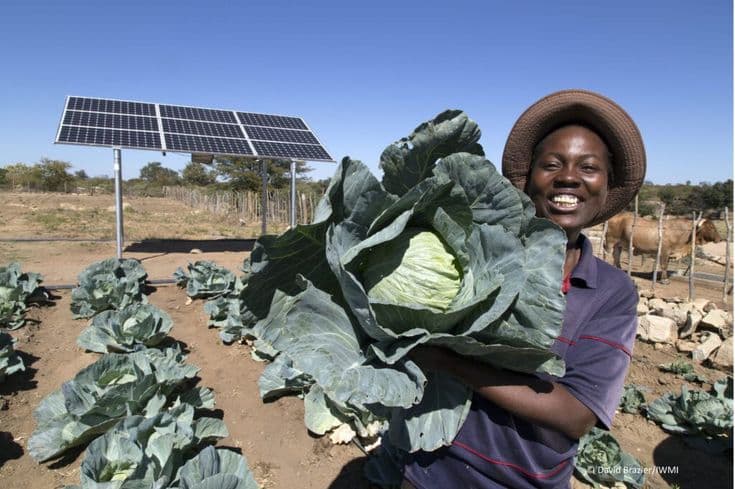
Helping young farmers earn an income they can rely on IKEA Foundation
Nigerian fintech Nomba and renewable energy financing company Synafare are committing ₦2 billion ($1.4 million) to solar financing for small and medium-sized businesses across Nigeria. The funding will be deployed over the next 24 months and is expected to support about 300 businesses buying solar panels, inverters and batteries. Nigeria's small businesses face two persistent problems: limited access to credit and unreliable electricity. Many rely on petrol and diesel generators to keep operating. At the same time, the upfront cost of solar systems remains difficult for many businesses to afford.
Nomba and Synafare are targeting that gap with financing that allows businesses to acquire solar equipment without covering the full installation cost upfront.
How the Financing Works
Synafare will identify and pre-qualify businesses interested in installing solar systems. Eligible businesses will then submit their applications and know-your-customer documents to Nomba.
Nomba will conduct the credit assessment and disburse approved loans directly to the businesses. Synafare will manage loan repayments and support businesses through the solar installation process. Loans are expected to average around ₦50 million ($37,196). Qualifying businesses may access up to ₦100 million ($74,393), depending on their size and energy requirements.
Building on Earlier Results
The ₦2 billion commitment follows more than a year of collaboration between the two companies. Nomba and Synafare said they previously disbursed more than ₦500 million to 10 SMEs without recording a default. The new programme will significantly expand that partnership. It aims to reach about 300 businesses over the next two years while maintaining the same credit assessment and repayment standards.
For Nomba, the programme also extends its existing merchant lending activities into energy financing.
“At Nomba, we’ve built our credit business on a simple principle: lend responsibly, and lend directly, so the value reaches the merchant without unnecessary friction,” said Yinka Adewale, CEO of Nomba.
Adewale said the ₦2 billion commitment reflects the company's confidence in Nigerian SMEs and the potential for the partnership to expand access to solar power.
Making Solar More Accessible
Synafare CEO Tobi Esho said the upfront cost remains one of the biggest barriers preventing businesses from adopting solar.
“Every business we work with wants more reliable power to run and grow their operations, but the upfront cost of going solar is often out of reach,” Esho said.
The companies expect the financing programme to help businesses reduce spending on generators and fuel. Solar systems could also give businesses more reliable power and greater control over energy costs. The success of the programme will depend on whether the partnership can scale from its initial 10 businesses to around 300 while maintaining strong lending standards.