Nigeria Opens Maiduguri Innovation Hub to Boost Digital Skills and Startups
Nigeria has opened a new innovation hub in Maiduguri to equip young people with digital skills, support technology projects and create entrepreneurship opportunities through its 3 Million Technical Talent programme.
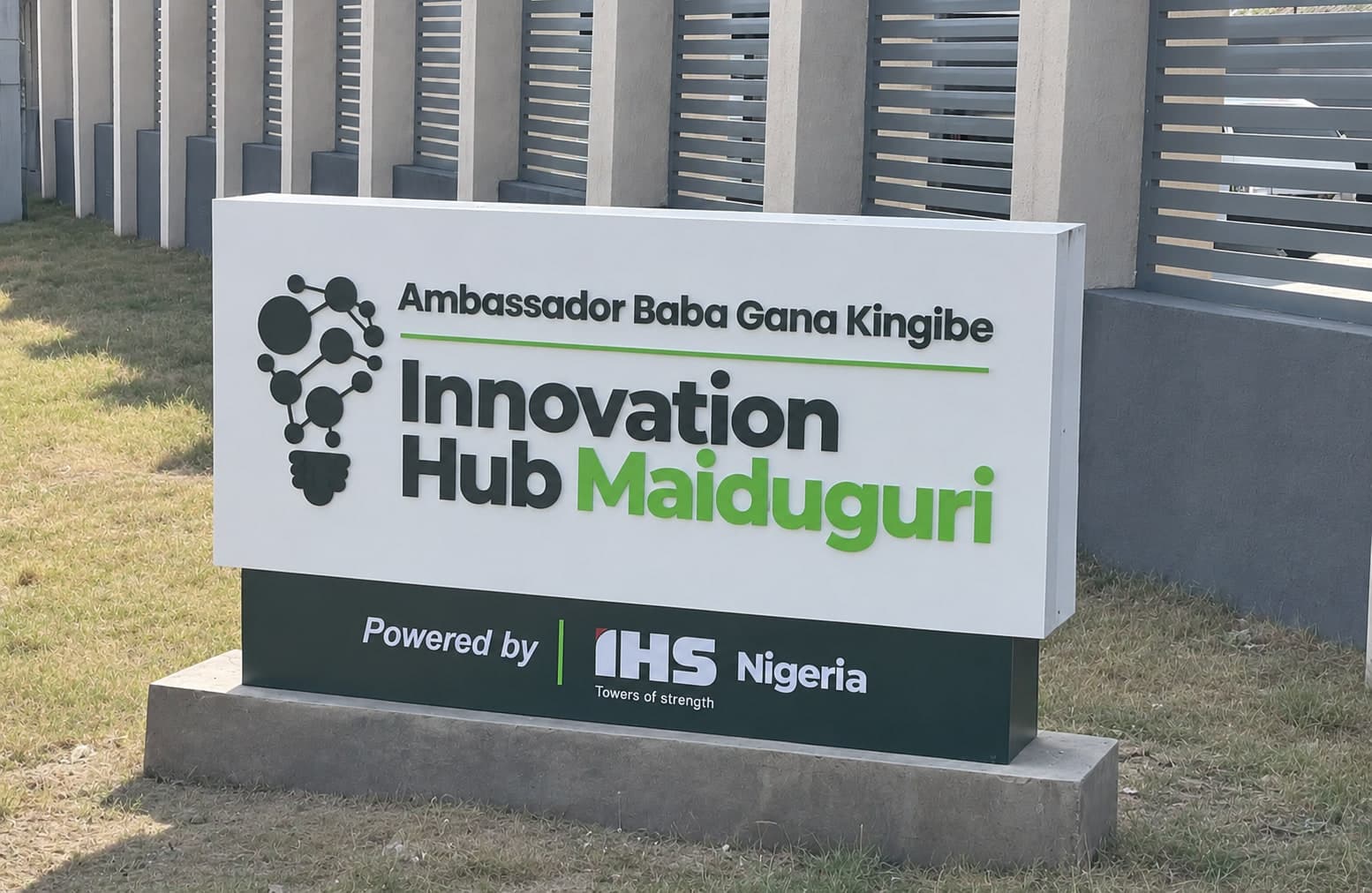
Innovation Hub Maiduguri
Young people in northeastern Nigeria will have access to digital skills training, technology development facilities and business support following the opening of the Ambassador Babagana Kingibe Innovation Hub in Maiduguri, Borno State.
Commissioned on November 24, 2026, the facility is a joint initiative of Nigeria's Federal Ministry of Communications, Innovation and Digital Economy, the Borno State government and telecommunications infrastructure company IHS Nigeria.
The hub will provide practical training, support young people developing technology projects and help aspiring entrepreneurs turn their ideas into businesses. It will also serve as a training centre for the federal government's 3 Million Technical Talent (3MTT) programme, which aims to equip three million Nigerians with digital and technology skills.
Technology and startup support organisation Co-Creation Hub (CcHub) will manage the facility.
3MTT Programme Expands as Nigeria Targets Employment Outcomes
The Maiduguri hub opens as Nigeria works to expand participation in its 3MTT programme while improving the link between digital skills training and employment opportunities.
According to the ministry, more than 1.8 million Nigerians had registered for the initiative by November 11, 2026, while 179,000 had completed training. The programme works with more than 200 partner organisations across the country's 36 states and the Federal Capital Territory.
The government has earmarked approximately ₦4 billion (US$3 million) for future training rounds. However, funding is increasingly being linked to measurable outcomes, including whether participants secure employment after completing their training.
This approach places greater emphasis on connecting training programmes with the skills employers need rather than measuring success through enrolment and course completion alone.
Previous Digital Skills Programme Records Employment Gains
An earlier digital skills initiative supported by the World Bank and implemented with Nigeria's National Information Technology Development Agency (NITDA) provides an indication of the employment opportunities such programmes can create.
The programme reached 1,095 vulnerable adolescent girls and young women across six locations in Nigeria, including Borno State. Its evaluation found that participants' digital skills improved by 81%.
More importantly, 44% of participants secured formal employment, internships or self-employment opportunities.
The Maiduguri innovation hub adds a dedicated facility for young people in northeastern Nigeria to access technical training, develop technology projects and pursue business opportunities.